
When it comes to cleaning your rugs, pressure washing can be a game-changer, especially for tackling tough stains and giving them a fresh, deep clean. However, drying a rug after pressure washing requires the right approach to avoid damage and ensure it’s ready for use again. At ShinePro, we know the best techniques for drying rugs efficiently, so you can enjoy your newly cleaned space without the worry of lingering moisture. In this guide, we’ll walk you through the simple steps to dry your rug properly after a pressure washing session, so it’s good as new.
Rugs Drying Process
After pressure washing your rug, proper drying is essential to keep it in excellent condition. The drying process can vary depending on the type of rug you have, as each material responds differently to moisture. Below, we’ll cover the drying techniques for different types of rugs, from wool to natural fibers, to help you preserve their quality and avoid potential damage such as mildew or mold growth.
Related Article: What Is SH in Pressure Washing?
Wool Rugs
Wool rugs are a popular choice for their softness and durability, but they can be tricky when it comes to drying. Due to their dense fibers, wool rugs tend to retain moisture longer than other materials. Here’s how to properly dry your wool rug after pressure washing:
1. Remove Excess Moisture
After pressure washing, use a clean, absorbent towel to blot the rug’s surface. Press the towel firmly into the rug to absorb as much excess moisture as possible.
2. Lay Rug Flat to Dry
It’s important to lay wool rugs flat, not hang them, as this can distort their shape. Place the rug on a clean, dry surface like a towel or drying rack in a well-ventilated area.
3. Circulate Air
Use fans to help circulate air around the rug and speed up the drying process. Avoid direct sunlight, as it can cause the wool to shrink or fade.
4. Avoid High Heat
Never use a high-heat source like a hair dryer or heater on wool rugs. Excessive heat can damage the fibers and cause them to melt, making your rug lose its softness.
Persian Rugs
Persian rugs are often delicate and may require more attention to detail when drying after a pressure wash. The intricate fibers and dyes in these rugs can be sensitive to moisture and temperature fluctuations.

1. Blot the Excess Water
After pressure washing, gently blot the rug with a towel to remove excess moisture. Avoid rubbing the fibers to prevent damage.
2. Lay It Flat
Lay the rug flat on a clean surface in a well-ventilated room, away from direct sunlight. Ensure that the rug’s fibers stay aligned to prevent stretching or distortion.
3. Use a Soft-Bristled Brush
Once the rug starts drying, use a soft-bristled brush to gently lift the fibers, helping them retain their plush texture. This also helps air circulate more easily through the rug.
4. Drying Time
Persian rugs often require a longer drying time, so be patient. You may need to rotate the rug periodically to ensure it dries evenly. Avoid walking on the rug while it’s still wet to prevent foot traffic from compressing the fibers.
Area Rugs
Area rugs, whether they’re made of synthetic materials or wool, generally have a more straightforward drying process. However, it’s important to follow the right steps to avoid mildew growth or unpleasant odors.
1. Remove Loose Dirt
Before pressure washing your area rug, make sure to vacuum it thoroughly to remove any loose dirt or debris. This will help ensure the cleaning process is more effective.
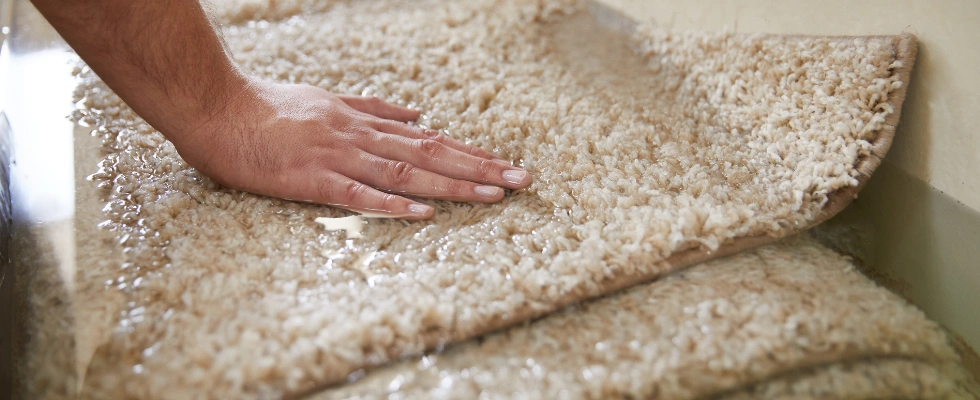
2. Blot Excess Moisture
After washing, use a towel to blot out excess moisture from the rug’s surface. Press down gently to absorb as much water as possible.
3. Flat Drying
To preserve the colors, place the area rug flat in a well-ventilated area away from direct sunlight. You can place the rug outdoors if the weather is dry and warm, but make sure to monitor it closely.
4. Circulate Air
If you can’t lay the rug outdoors, using fans or placing the rug near an open window will help air circulation. This helps speed up the drying process while keeping the rug’s fibers intact.
Natural Fiber Rugs
Natural fiber rugs, like those made from jute, sisal, or seagrass, require special care due to their sensitivity to moisture. These rugs tend to absorb water quickly, which can lead to mold or mildew growth if not dried properly.
1. Remove Excess Water
After pressure washing, use a towel to blot out as much excess water as possible. Make sure to press firmly because water can easily weigh these rugs down.
2. Dry Outdoors
Natural fiber rugs benefit from being dried outdoors where there is plenty of air circulation. Lay the rug flat in a shady spot to prevent direct sunlight from causing the fibers to dry unevenly or become brittle.
3. Avoid High Humidity
If you can’t dry the rug outdoors, make sure it’s in a well-ventilated area with low humidity. High humidity levels can delay the drying process and increase the risk of mildew growth.
4. Rotate and Flip
Flip the rug periodically to ensure it dries evenly on both sides. This will help prevent water from being trapped in the fibers and causing mold or unpleasant odors.
General Drying Tips for All Rugs
- Vacuum Before Washing: Always vacuum your rug before pressure washing to remove loose dirt. This ensures the cleaning process is more effective.
- Proper Ventilation: Whether drying indoors or outdoors, make sure the rug is placed in a space with good air circulation. This helps prevent mold growth and speeds up the drying process.
- Use Mild Detergent: When cleaning your rugs, opt for a mild detergent or a specialized rug cleaner to avoid damaging the fibers.
- Check Manufacturer’s Instructions: Always follow the manufacturer’s instructions regarding cleaning and drying methods, as some rugs may require specific care.
Step-by-Step Guide for Using a Pressure Washer on Rugs
Prepare the Area
Before you start, make sure you have a clean, open area to work in, such as an outdoor space or a large garage. Lay the rug flat on a clean surface, ideally on a tarp or a plastic sheet to avoid dirt transfer. If the rug is small enough, you can hang it over a fence or a drying rack.
Vacuum the Rug
Start by vacuuming the rug thoroughly to remove loose dirt, dust, and debris. This will help prevent dirt from becoming embedded in the fibers during the pressure washing process.
Pre-Treat Stubborn Stains
If there are specific tough stains on the rug, apply a cleaning solution directly to those areas. Use a mild detergent or a rug-specific cleaner, and allow it to sit for about 10-15 minutes. This will help break down any stubborn stains and grime, making them easier to remove with the power washer.
Set Up the Pressure Washer
Set up your pressure washer according to the manufacturer’s instructions. If you’re using a standard pressure washer, make sure to use a lower pressure setting (around 1,200 to 1,500 PSI) to avoid damaging the rug fibers. Attach a fan nozzle or a wide spray nozzle to ensure even water coverage without excessive pressure. If your pressure washer has a detergent tank, you can add your cleaning solution here.
Pre-Wet the Rug
Using the pressure washer, lightly spray the rug with water to moisten it. This helps loosen dirt and debris and prepares the fibers for the cleaning solution. Be sure not to soak the rug completely at this stage.
Apply Cleaning Solution
If you haven’t pre-treated the stains or want to add an extra layer of cleaning, spray the entire rug with a mild cleaning solution or soapy water. Let the solution sit for a few minutes to work into the fibers and break down any dirt.
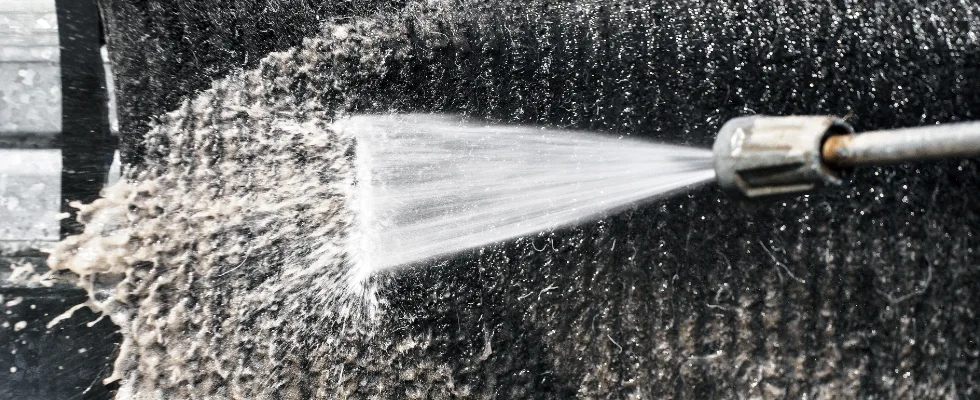
Pressure Wash the Rug
Start power washing the rug by holding the pressure washer about 6-12 inches away from the surface. Move the nozzle slowly across the rug in overlapping passes, working from one end to the other. Always keep the nozzle at a consistent distance to prevent damage to the rug fibers. Begin from the top of the rug and work your way down to allow water to flow away from the fibers, helping to rinse away dirt.
Rinse Thoroughly
After you’ve sprayed down the cleaning solution, switch the pressure washer to a rinse mode (if applicable) or just water. Rinse the rug thoroughly to remove all soap and loosened dirt. Make sure all the detergent and dirt are washed out, as any leftover soap can cause residue buildup.
Check for Cleanliness
Inspect the rug to make sure all the dirt and stains are gone. If any stains remain, you can repeat the pressure washing process on those areas, focusing on spot cleaning and a gentle wash.
Remove Excess Moisture
After pressure washing, use a clean, dry towel to blot the rug and absorb excess water. Press down firmly to remove as much moisture as possible. The goal is to get rid of excess water without rubbing or damaging the fibers.
Dry the Rug
Once the rug has been cleaned and excess moisture removed, lay it flat to dry in a well-ventilated area. If you can, hang it up outdoors in a shaded spot to allow air to circulate freely around it. If drying indoors, place it in a room with a fan or open windows to speed up the drying process. Avoid direct sunlight, as it can cause colors to fade or fibers to shrink. Make sure the rug is completely dry before placing it back in your home.
Vacuum Again
Once the rug is fully dry, vacuum it again to lift the fibers and remove any remaining dirt or debris. This also helps restore the rug’s softness and fluffiness.
Bring Your Rugs Back to Life with ShinePro
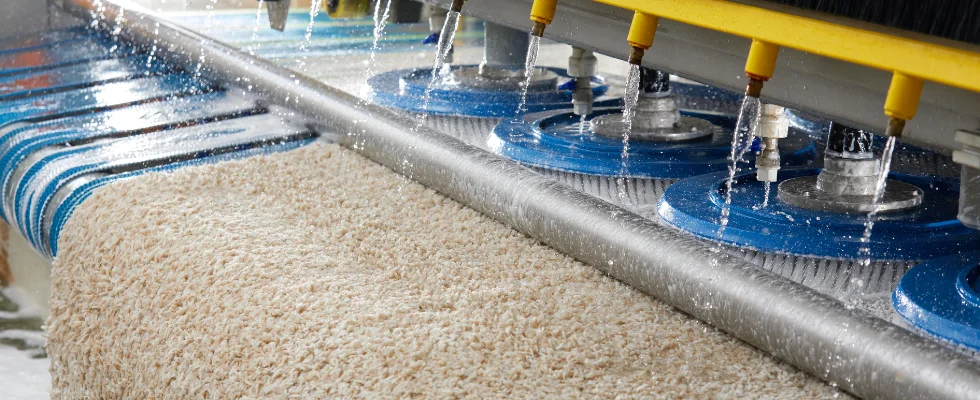
When it comes to deep cleaning your rugs, ShinePro’s power washing services deliver outstanding results. By effectively removing tough stains and dirt, our pressure washing technique restores your rugs, leaving them looking fresh and vibrant.
Ready to refresh your rugs the right way? Contact ShinePro today for professional power washing that brings back the beauty of your rugs.


