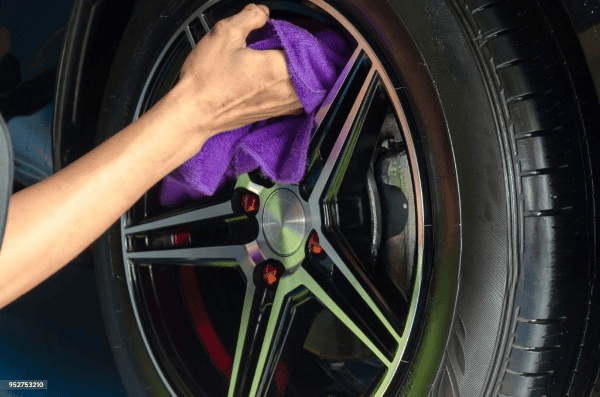
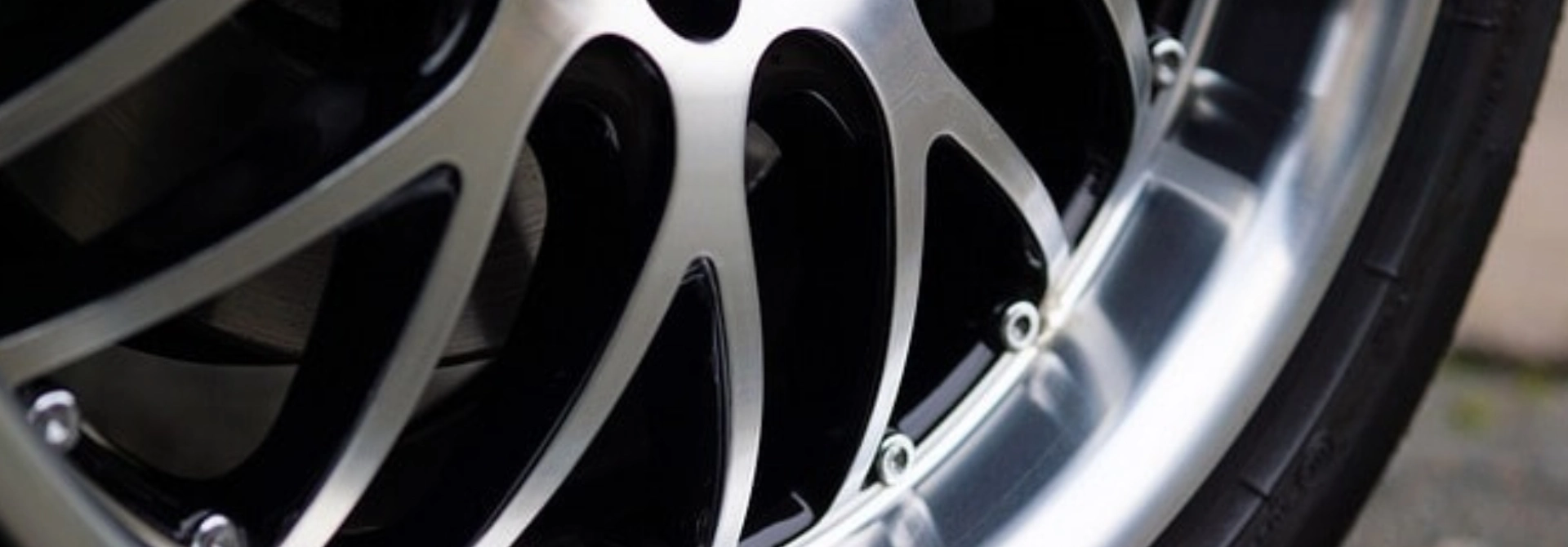
At ShinePro, we know that a truck’s appearance says a lot about the business behind it. Nothing dulls that image faster than an oxidized, scratched-up fuel tank. That is why polishing aluminum fuel tanks on semi trucks is one of the services we take the most pride in. We want to walk you through our polishing process so you understand exactly what goes into achieving that uniform shine our clients love.
Why Aluminum Fuel Tanks Need Regular Attention
Aluminum is a beautiful metal when it is cared for, but it is also a metal that fights back. The moment we finish a polish, the surface naturally begins oxidizing again. That is simply the nature of the metal. Dirt, road grime, and moisture speed up that process, which is why we always recommend regular cleaning and maintenance to preserve the shine for as long as possible. Left untreated, oxidation leads to dullness, pitting, and scratches that make a tank look years older than it really is.
Our Step-by-Step Polishing Process
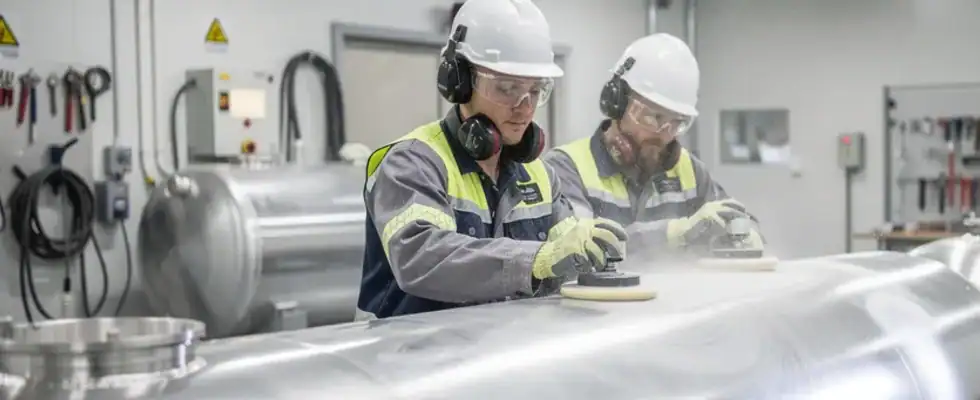
Every job we take on starts with cleaning. We wash the tank thoroughly to remove dirt and grease before any polish or compound touches the surface. This step is essential because embedded grit left on the tank can cause new scratches once we start buffing, undoing the work before it even begins.
Once the surface is clean and dry, we move into sanding. We sand aluminum tanks with grits ranging from 180 up to 3000, always starting with a coarse grit and progressively moving to finer grits. Wet sanding at this stage helps remove deep scratches and stubborn oxidation that a simple wash cannot touch. It takes time and patience, but this groundwork determines how mirror-like the final finish will be.
From there, we bring in the heavy-duty tools. Using a variable-speed grinder running between 3,000 and 6,000 RPM, our technicians apply a heavy-cut polishing compound designed to strip away oxidation and set the stage for the finishing stages. We use separate buffing wheels for each compound to avoid cross-contamination, and our airway buffing wheels are built to handle the heat and speed this kind of metal polishing demands.
The polishing itself is done in circular motions with light, even pressure, along with consistent 90-degree passes that help maintain an even, shiny surface across the whole tank. We keep the buffer moving in overlapping strokes so no single spot gets too much heat or too much wear. Too much pressure in one area can actually erode fine surface details, so control matters just as much as compound choice.
For products, we trust Lux Metal Power Tank polishing compounds for aluminum. Power Tank Classico is our go-to for removing oxidation and deep scratches effectively. When we are ready for that final mirror-like finish, we switch to Power Tank White Ceramic, which is formulated specifically to bring aluminum to a true mirror finish. For more delicate aluminum parts or tighter, more intricate areas, we reach for Power Tank Gum, since it is gentle enough to protect fine details while still delivering results.
The last step is the final polish, achieved with a soft cotton buffing wheel and, where needed, a microfiber cloth for gentle polishing without introducing new scratches. This is where the surface really comes alive, and the tank starts reflecting light the way it should.
Working Around Intricate Tank Designs
Not every fuel tank is a simple, flat surface. Many semi-truck tanks have complex geometries, ridges, fittings, and welds that complicate the polishing process considerably. These intricate areas are where dirt and oxidation like to hide, and they take far more time and attention than open, flat sections. Improper technique in these spots can easily damage fine details, so our team slows down, adjusts pressure, and uses smaller tools to work each contour by hand when a machine cannot safely reach it.
Protecting the Finish After Polishing
A perfect polish is only half the job. To truly protect the surface and preserve that shine, we always apply a sealant or protective wax once the polishing process is complete. This barrier helps slow down oxidation and keeps the tank looking newer for longer between services. One thing we never do is use chrome polish on bare aluminum. Chrome and aluminum are different metals with different needs, and using the wrong compound can actually damage the surface instead of protecting it.
We also take safety seriously on every job. Our technicians wear proper safety gear, including eye protection and masks, because metal polishing throws off fine particles and compound residue that should never be inhaled or allowed near unprotected eyes.
Maintaining Your Shine Long Term
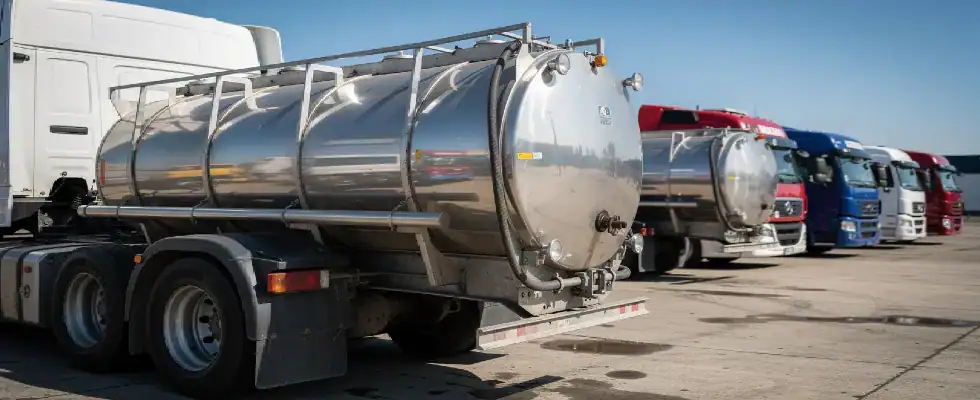
Once your tank leaves our shop with that mirror-like finish, maintaining it is fairly simple. Regular washing to remove road dirt, along with periodic reapplication of sealant or polish, is usually enough to keep oxidation at bay and preserve the appearance of your vehicle for months at a time.
If you are searching for aluminum wheel polishing near me along with fuel tank services, ShinePro can take care of your entire fleet’s metal in one visit. We handle everything from small touch-ups to full-scale restoration, and we bring the same techniques, tools, and compounds to every part of your truck that deserves to shine.
Ready to Restore Your Fuel Tanks?
Polishing aluminum fuel tanks on semi trucks is not a quick wipe-down. It is a multi-stage process built on careful cleaning, progressive sanding, precise compound work, and consistent technique. At ShinePro, we take that process seriously because we know how much a clean, polished fleet says about the business behind the wheel. If your tanks are looking dull, worn, or scratched, reach out to us and let our team bring back that showroom shine.
Have questions about our polishing process or want to share how your fleet turned out? Drop a comment below; we would love to hear from you.