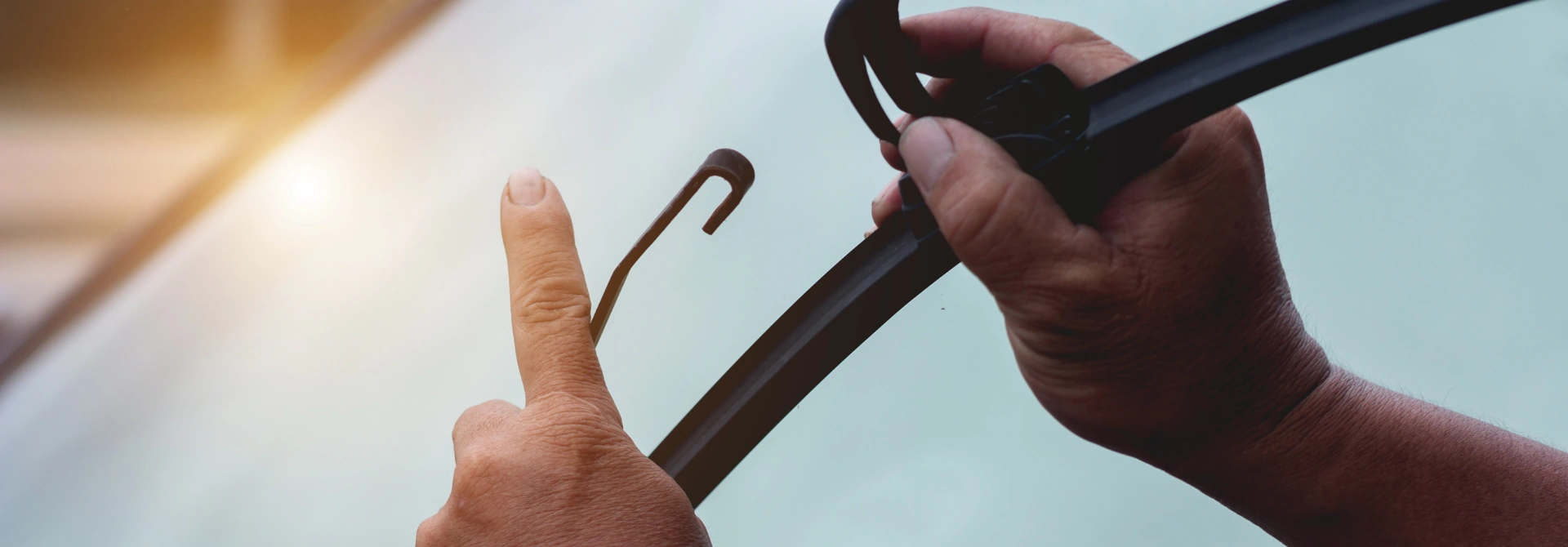
At ShinePro, we know the little things make a big difference when it comes to your car’s safety and visibility. One of those little things? Windshield wipers. These everyday heroes tackle rain, dirt, snow, and grime, ensuring your view of the road stays crystal clear. But how often should you replace windshield wipers to keep them performing at their best?
This fun and informative guide will help you understand when and why to replace your wiper blades, how to choose the right ones, and how to keep them in top shape—so your vehicle is always road-ready with ShinePro-approved tips!
Related Article: Where to Put Windshield Wiper Fluid
Why Windshield Wipers Matter
Wiper blades are more than just thin strips of rubber—they’re your first defense against blurred vision during storms or dusty road conditions, ensuring safe driving conditions. When functioning properly, they swipe away rain, snow, dirt, and debris, giving you a clear view of the road ahead. But like any hardworking part of your car, windshield wiper blades wear out over time.
When wipers start streaking or skipping across the glass, it’s a clear sign they’re not doing their job anymore. Worn-out wiper blades reduce visibility, making driving dangerous, especially in bad weather.
Understanding Windshield Wiper Blades
Windshield wiper blades are a crucial component of your vehicle’s safety features, ensuring clear visibility during rain, snow, and other inclement weather conditions. Knowing what they’re made of and how they work can help you make informed decisions about their maintenance and replacement.
What Are Windshield Wiper Blades Made of?

Windshield wiper blades are typically constructed from a combination of materials designed to provide durability and effective performance:
- Rubber: The rubber element is the part of the blade that comes into direct contact with the windshield, ensuring a smooth and quiet wiping action.
- Plastic: The plastic components form the blade’s frame and other structural elements, providing flexibility and support.
- Metal: Some wiper blades include metal parts, such as the arm that connects to the windshield wiper motor, adding strength and stability.
The quality of these materials can significantly impact the performance and lifespan of your wiper blades. High-quality materials ensure that the blades can withstand various weather conditions and provide a clear view of the road.
How Do Windshield Wiper Blades Work?
Windshield wiper blades operate through a combination of motion and pressure to clear water and debris from your windshield. Here’s a simple breakdown of their functionality:
- Attachment to Wiper Arm: The blades are connected to a wiper arm, which is in turn linked to a wiper motor.
- Motor Activation: When you activate the wiper motor, it moves the wiper arm back and forth.
- Sweeping Motion: This motion causes the blade to sweep across the windshield in an oscillating pattern, effectively removing water, snow, and debris.
The rubber element of the blade is designed to conform to the shape of the windshield, ensuring a smooth and even wiping action. This design helps maintain clear visibility, which is essential for safe driving in various weather conditions.
The General Rule for Replacement

The golden rule of wiper maintenance? Replace windshield wipers every 6 to 12 months to combat wear and tear. However, this timeframe can vary depending on several factors, including:
- Climate: Extreme heat, freezing winters, or frequent rain can cause wipers to degrade faster.
- Usage: If you frequently use your wipers, they’ll wear out more quickly.
- Maintenance: Regularly cleaning wiper blades and the windshield can prolong their service life.
It’s not just about the rubber strip on the blade either—wiper arms and other components need to work properly for the entire system to function well.
Signs It’s Time to Change Wiper Blades
Not sure if your windshield wipers are ready to retire? Look for these telltale signs of visibility issues:
- Streaking on the Glass: If your wipers leave streaks, smudges, or missed spots, it’s time for new blades.
- Squeaking Sounds: That annoying squeak isn’t normal; it’s a sign the rubber has hardened or torn.
- Skipping or Chattering: If the blades jump across the glass instead of gliding smoothly, they may be bent or worn out.
- Worn or Brittle Rubber: Visible cracks or tears in the rubber are a clear indicator that it’s time for a replacement.
- Reduced Effectiveness in Rain or Snow: If your wipers struggle to handle weather conditions, they’re past their prime.
Factors That Affect Wiper Blade Lifespan
The service life of your windshield wipers depends on several environmental factors:
- Weather Conditions: Wiper blades take a beating from the elements. Extreme heat can make the rubber brittle while freezing temperatures can cause it to crack. If you live in a region with harsh winters or scorching summers, regular replacement is essential.
- Road Debris and Dirt: Dust, road grime, and small particles of dirt can wear down the rubber on your wipers. Cleaning the blades and windshield regularly can help combat this issue.
- Usage Frequency: Drivers who frequently use their windshield wipers—whether to combat rain, snow, or dirt—will need to replace them more often than those who rarely drive in bad weather.
- Storage Conditions: If your car is parked outdoors and exposed to the sun for long periods, the rubber on your wiper blades may degrade faster.
Step-by-Step Guide to Changing Wiper Blades
Changing your windshield wiper blades is a simple installation process that doesn’t require a trip to the mechanic. Here’s how to do it:
- Identify the Right Blades: Use your vehicle’s manual or search online to find the correct size and model of wiper blades for your car.
- Lift the Wiper Arms: Gently lift the wiper arms away from the windshield until they’re upright.
- Remove the Old Blades: Look for a release tab or button on the blade where it connects to the arm. Press it, then slide the old blade off.
- Attach the New Blades: Slide the new blades onto the wiper arms, making sure they’re secure and properly aligned.
- Test the Wipers: Turn on the wipers and check their operation to make sure they’re working smoothly.
When to Replace More Than Just the Blades

Sometimes, it’s not just the rubber blades that need attention; mechanical issues like bent wiper arms or malfunctioning wiper mechanisms can also affect performance. If the wipers don’t move smoothly or leave large areas of the windshield unwiped, it might be time to replace the arms or seek professional maintenance services.
DIY or Professional Replacement?
While changing wiper blades is a simple task for most drivers, some might prefer professional services. Shops like ShinePro offer quick, affordable wiper blade replacements and can inspect the rest of your wiper system for potential issues.
Caring for Your Wiper Blades
- Clean the Rubber Blades Regularly: Use a damp cloth or sponge to remove dirt and debris from the blades.
- Top Off Washer Fluid: A dry windshield puts more strain on your wipers. Keep the washer fluid reservoir full to lubricate the glass during wiping.
- Protect from Sun Damage: When parking for extended periods, use a windshield cover to shield wipers from direct sunlight.
- Avoid Using Wipers on a Dry Windshield: Always use washer fluid or wait for rain to prevent the rubber from tearing on the dry surface.
Cost of Replacing Wiper Blades
Replacing your windshield wiper blades is a small investment that can make a big difference in your driving safety. The cost can vary depending on several factors, including the type and quality of the blades, as well as the make and model of your vehicle.
On average, a set of windshield wiper blades can cost anywhere from $10 to $50 or more. While this might seem like a wide range, it’s important to consider the benefits of investing in high-quality blades. Premium blades often last longer and perform better, providing clearer visibility and safer driving conditions. It’s generally recommended to replace your windshield wiper blades every 6-12 months or whenever they show signs of wear, such as streaking or chattering.
In addition to the cost of the blades themselves, you might also consider the cost of labor if you choose to have a professional mechanic or auto technician replace them for you. However, many windshield wiper blades are designed for easy DIY replacement, making it a relatively inexpensive and straightforward maintenance task that you can handle yourself.
By staying on top of regular replacement and choosing quality blades, you can ensure clear visibility and safe driving, no matter the weather.
FAQs About Windshield Wipers
Can I just replace the rubber on the blades instead of the entire unit?
Some wipers allow you to replace just the rubber strip, but most modern wiper blades are designed for full replacement.
What’s the best time of year to replace wipers?
Spring and fall are great times to replace wipers since seasonal changes often bring extreme weather that can wear them out.
How do I know if I’m buying quality wiper blades?
Look for reputable brands, check online reviews, and make sure the blades are compatible with your vehicle.
Why Regular Replacement Matters
Neglecting to replace worn-out wiper blades can lead to reduced visibility during rain or snow, compromising driving safety. This can result in:
- Increased risk of accidents due to poor vision
- Scratches on the windshield from torn rubber
Regular replacement keeps your car safe and your windshield clear, ensuring better performance during bad weather.
Wipe Away Worries
Your windshield wipers might seem like a small detail, but they’re a big part of your car’s safety system. Whether you’re facing spring showers, summer sun, fall leaves, or winter snow, keeping your wipers in top shape ensures a clear view and safer driving.
Don’t wait for streaks, squeaks, or skips—keep an eye on your wipers, follow the general rule of replacement, and make windshield maintenance a regular part of your car care routine.
When it’s time for a change, ShinePro is here to help with expert advice and quick services that get you back on the road with a clear view!
See our Windshields Info Hub for more!
Ready for a clearer, safer drive? Contact ShinePro today and stay ahead of the weather!