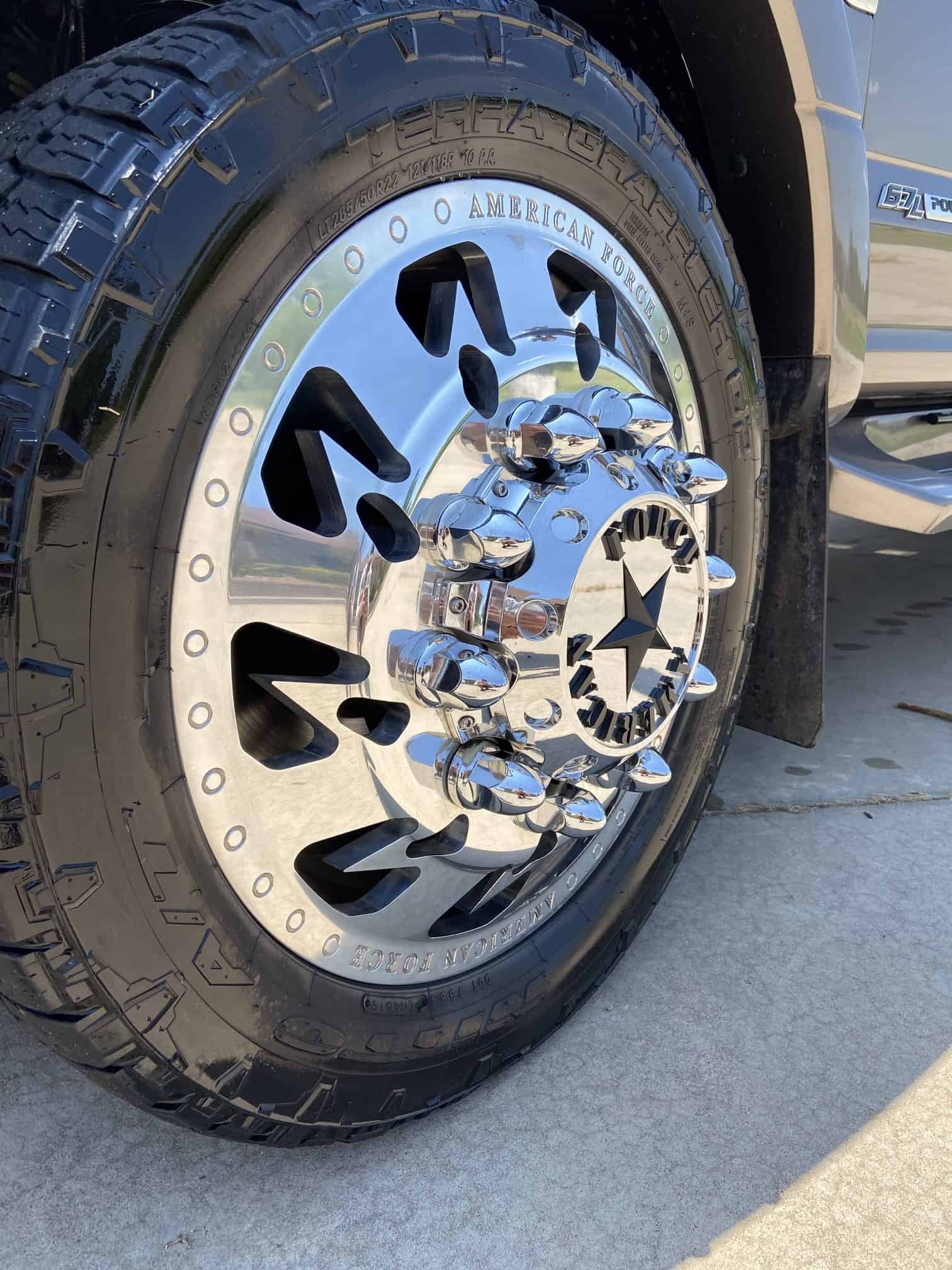
Pollen season can turn a freshly washed car yellow almost overnight. During peak pollen season, pollen counts rise quickly, and parking near trees may leave the roof, hood, glass, and trim coated by morning. It is tempting to grab a cloth and wipe it away, but that shortcut can create swirl marks.
If you are wondering how to clean pollen off your car, start by removing as much loose pollen as possible with water before making physical contact with the paint. Then use a proper hand wash, thorough rinse, and careful drying process.
At ShinePro Services, we see how Oklahoma weather, dust, road grime, and pollen buildup can dull a vehicle. Here is how to clean pollen safely, protect your car’s paint, and know when a professional detail makes sense.
How to Clean Pollen Off Your Car Safely
A single pollen grain looks harmless, but pollen should not be treated exactly like ordinary dust. Pollen grains vary by plant species, and many have textured or sculpted outer surfaces. Once pollen mixes with moisture, dust, and other grime, it can cling to the paint and become much harder to rinse away.
When pollen accumulates on the vehicle’s surface, dry wiping can drag those particles across the paint surface and clear coat. The rule is simple: rinse first, wash second, and dry only after the surface is clean.
If the car is covered with heavy pollen, choose a full wash instead of reaching for a dry microfiber cloth or paper towel. Avoid direct sunlight, too, since a hot surface can make soap and water dry too quickly and leave water spots.
What You Need for Pollen Removal
A garden hose, pH-balanced automotive soap, wash mitt, two buckets, and clean microfiber towels are enough for most pollen removal jobs. A foam cannon can also help loosen heavier buildup. If you use a pressure washer, keep the nozzle a safe distance from paint, trim, and seals.
Use an automotive soap instead of household dish soap. Dishwashing detergent is designed to cut grease and may strip away wax protection, while a pH-balanced car wash soap is made for automotive finishes.
If hard water is a problem, filtered or distilled water can be useful for the final rinse to help prevent water spots. Careful drying still matters afterward.
Step 1: Rinse Away Loose Pollen
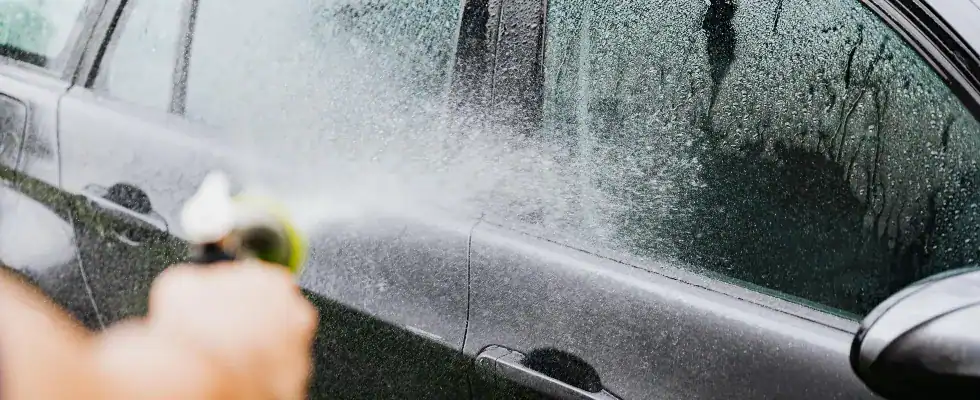
Start at the roof and rinse downward with a hose or pressure washer. Let water carry loose pollen away instead of pushing it around with a towel.
Pay attention to windshield wipers, mirrors, window trim, door edges, and rocker panels. As pollen slides down wet panels, it can collect in these areas. The more pollen you remove before physical contact, the less contamination your wash mitt has to move across the clear coat.
Step 2: Loosen Heavy Pollen With Foam or Soapy Water
For noticeable pollen buildup, spray on a car-safe pre-wash or use a foam cannon. Let the product dwell according to its directions, but never allow it to dry on the surface.
A rinse may handle a light coating. Pollen mixed with morning dew, rain, dirt, or road grime, however, usually needs a proper wash. Moisture can turn what looked like dry yellow dust into a film that clings much more stubbornly to the car’s exterior.
Step 3: Give the Car a Proper Hand Wash
The two-bucket method helps reduce the chance of putting dirt and pollen back onto the paint. Keep soapy water in one bucket and clean rinse water in the other. With only one bucket, particles released from the vehicle can end up back on your wash mitt.
Work from the roof downward toward dirtier areas such as the rocker panels, rinsing the mitt between sections. Use smooth, gentle passes rather than aggressive scrubbing.
At ShinePro, our exterior detailing includes a thorough exterior wash to remove dirt, grime, and contaminants before we move on to additional paint care. For car detailing in Oklahoma City, OK, we also offer mobile detailing, bringing professional vehicle care right to your home or workplace.
Step 4: Rinse and Check the Details
Rinse the vehicle from top to bottom. The final rinse should remove remaining soap and lifted pollen. Check mirrors, trim, badges, wheel arches, and windshield wipers before drying. If an area is still dirty, wash it again instead of rubbing harder with a towel.
Rinse pollen from the windshield before operating the wipers so dry pollen and dust are not dragged across the glass.
If your water supply leaves noticeable mineral spotting, a distilled water final rinse can reduce the minerals left behind and help prevent water spots.
Step 5: Dry With Clean Microfiber Towels

Use clean microfiber towels made for automotive drying and switch to a fresh towel if one becomes dirty. Avoid household rags and paper towels that may drag debris across the car’s paint.
Gently blot or glide the towel over the clean surface rather than pressing hard. Prompt drying helps prevent water spots and gives you a chance to spot any pollen or dirt that the wash missed.
Does Pollen Damage Car Paint?
Can pollen damage car paint? It can contribute to problems, but how you remove it matters just as much as the pollen itself.
Dry wiping can create fine scratching or swirl marks by dragging pollen particles and dirt across the clear coat. Pollen mixed with rain, morning dew, dust, and other grime can also dry into a stubborn residue that is more difficult to remove.
That does not mean every light dusting will cause lasting damage overnight. Frequent, gentle cleaning during peak season is simply safer than letting heavy buildup go through repeated cycles of getting wet and drying on the paint.
If the paint already looks dull or marked after cleaning, ShinePro offers paint correction along with professional detailing services. We can address surface imperfections and add protection based on the condition of your vehicle.
What If Pollen Is Still Stuck After Washing?
If a normal wash leaves the paint feeling rough or contaminated, do not respond by scrubbing harder.
If the paint still feels rough after a thorough wash, what remains may be tree sap, industrial fallout, or other bonded contamination rather than pollen alone. A properly lubricated clay bar can help remove those above-surface contaminants without resorting to aggressive scrubbing.
If you are not comfortable decontaminating the finish yourself, this is where professional detailing can help. ShinePro offers clay-bar treatments and paint correction for vehicles that need more than a routine wash.
Can You Remove Pollen Without a Full Wash?
For a very light layer of fresh pollen, a thorough rinse may be enough. A properly lubricated waterless wash or quick detailer may also work for light contamination when used according to the product instructions with a clean microfiber cloth.
The important part is lubrication. Do not lightly spray a heavily covered car and then wipe aggressively.
If the cloth immediately picks up large amounts of pollen, dust, or dirt, move to a full wash. After rain, dew, or several days of buildup, washing is usually the safer choice.
How to Protect Your Car During Pollen Season

You cannot stop pollen floating through the air, but you can make it easier to manage. Keep the car covered in a garage or other suitable covered parking during peak season, and avoid parking directly underneath pollen-heavy trees whenever possible.
Wax and paint sealants act as a sacrificial barrier over the finish. A hybrid ceramic spray or paint sealant can create a hydrophobic barrier that encourages water to bead and helps make routine cleaning easier.
Ceramic coatings create a more durable layer of protection over the vehicle’s paint, although ceramic coatings do not make a car maintenance-free. Pollen, dust, and road grime still have to be washed away.
How often wax needs to be refreshed depends on the product, weather, washing frequency, and where the vehicle is parked. Some traditional waxes may call for reapplication every four to six weeks, while others last longer, so follow the product manufacturer’s recommendations.
ShinePro’s exterior detailing can include wax or ceramic coating depending on the service selected. We also provide paint correction and other exterior care when a car needs more than a basic wash.
There is another place to think about pollen: inside the vehicle. Keep the windows closed when practical during high pollen counts. Changing the cabin air filter according to your vehicle manufacturer’s maintenance schedule also helps the HVAC system capture pollen, dust, and other airborne particles before they circulate through the cabin.
Common Pollen-Cleaning Mistakes to Avoid
The biggest mistake is dry wiping simply because the yellow film looks soft. Trying to wipe away a heavy layer of dry pollen can cause more damage than just leaving it alone until you can wash the car properly. A dry cloth can drag pollen and dirt across the car’s exterior, creating fine scratches and swirl marks in the finish.
Also avoid washing a hot vehicle in direct sunlight, letting soap dry on the surface, using dirty towels, or scrubbing stubborn spots aggressively.
Rain is not a replacement for a car wash either. It may remove some loose pollen, but rainwater can also leave pollen mixed with moisture and airborne dirt. If the vehicle dries spotted or streaky, wash it rather than wiping the residue dry.
Frequently Asked Questions About Pollen on Cars
Can I Just Rinse Pollen Off My Car With a Hose?
Yes, a hose can remove loose pollen when the buildup is fresh and light. If a film remains or the pollen has mixed with grime, follow with a car-safe wash rather than wiping the remaining residue dry.
Should I Wipe Pollen Off With a Microfiber Cloth?
Not when the surface is heavily coated and dry. A microfiber cloth is useful during a lubricated wash or with an appropriate detailing product, but dry wiping increases contact between pollen, dirt, and paint.
Will Wax Prevent Pollen From Sticking?
Wax will not stop pollen from landing on your car. It does, however, provide a sacrificial layer between contamination and the paint and may make future cleaning easier. Paint sealants and ceramic coatings can offer longer-lasting protection.
How Often Should I Wash During Peak Pollen Season?
There is no universal twice-a-week rule that fits every vehicle. Watch local pollen counts, where your car is parked, and how quickly pollen accumulates.
During peak pollen season, clean substantial visible buildup before it sits through repeated rain, morning dew, heat, and drying. A vehicle parked under trees may need attention more frequently than one kept in a garage.
Keep Your Car Clean and Protected Through Pollen Season

Knowing how to clean pollen off your car comes down to reducing friction. Rinse loose pollen away, use plenty of soapy water, wash with clean tools, complete a thorough final rinse, and dry carefully.
If pollen buildup, water spots, road grime, or faded paint have taken the shine out of your vehicle, ShinePro Services can help. Our auto detailing and mobile detailing services clean, restore, and protect vehicles across Oklahoma City and surrounding areas. Just call us at our main numbers: 405-939-1550, 405-593-1909, 405-403-5106.
Whether your vehicle needs a clean exterior, paint correction, clay-bar treatment, or ceramic protection, we can help restore its finish and make it easier to maintain through pollen season.