If you have ever climbed a ladder to look inside your gutters, you already know what we are talking about. Wet leaves, pine needles, roof grit, and plain old dirt pack into the trough until water has nowhere to go. At ShinePro, we get calls about this exact problem all year, and this post walks through everything our customers ask us before we show up for the job: why gutter cleaning matters, what tools we use, how our process works, and how you can decide whether this is a project to handle yourself or one to hand off to a professional crew.
Pressure washing gutters and downspouts sounds simple on paper. Point a nozzle, spray, and the mess disappears. In practice, there is a right method and a wrong one, and the wrong one can turn into a dangerous, expensive mistake. We wrote this guide so Oklahoma homeowners have a clear, honest picture of what the process actually involves.
Why Gutter Cleaning Is Not Optional in Oklahoma
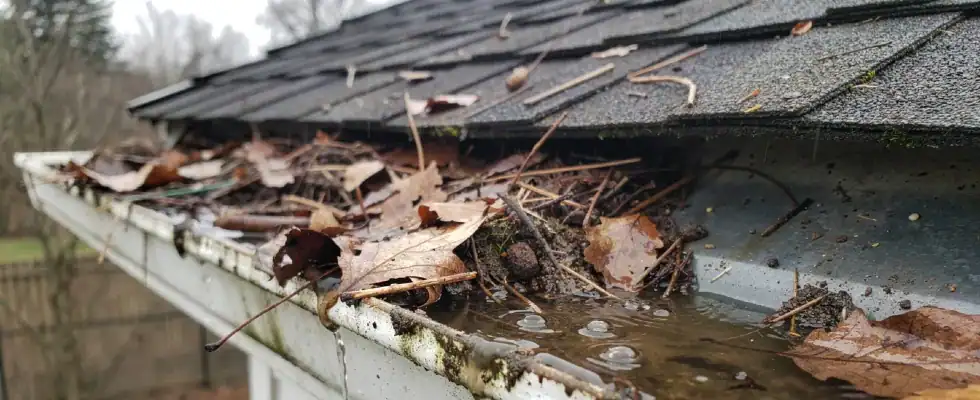
Oklahoma City’s climate features intense summer heat waves that often push past 100 degrees, followed by heavy spring storms and a steady drop of leaves and debris every fall. That combination is rough on a gutter system. Silt from the roof and asphalt shingle granules bake onto the metal in the summer sun, grime builds up along the seams, and by the time autumn rain arrives, the gutters are already fighting an uphill battle.
Clogged gutters are not just an eyesore. Neglected gutters can lead to mold growth, wood rot, and even foundation cracks when water overflows and pools next to the house instead of draining away through the underground drain system. In colder snaps, ice dams can form in gutters that were never cleaned out, and that trapped ice can cause real damage to the roof, the fascia, and the interior of the home. A gutter system handling 35 to 42 inches of rainfall a year, which is a fairly typical range for this region, simply cannot do its job when it is filled with debris.
Our general recommendation, and one that most manufacturers and gutter specialists agree on, is to clean gutters at least twice a year. Oklahoma’s frequent thunderstorms and high winds make this even more important, since storm debris can fill a clean gutter in a matter of hours. The best windows are after the last hard freeze of spring and again once the majority of leaves have dropped in the fall.
Signs Your Gutters Are Overdue for a Wash
Before we ever grab a wand or set up a pressure washer, we walk the property and look for the telltale signs that a system is overdue:
- Visible dirt, grime, or stains running down the siding below the gutter line
- Plants and weeds growing directly out of the trough
- Water spilling over the edge during a rainstorm instead of flowing to the downspout
- Sagging or pulling gutter sections, which often points to the weight of packed, soaked debris
- A musty smell near the foundation, which can be an early warning sign of mold
If any of that sounds familiar, it is probably time to clean gutters before the next storm rolls through.
Manual Cleaning Comes First, Every Time
Here is something a lot of DIY guides skip over: pressure washing should never be the first step. Before any spray touches the gutter, we always start with manual cleaning. Using gloved hands or a small scoop, we clear out the bulk of the dry leaves, pine needles, twigs, and dirt sitting in the trough, and for dry, loose debris, a blower can help speed up cleanup before washing. Skipping this step and going straight to high pressure is one of the most common mistakes homeowners make, because it just pushes a huge mess of wet leaves and debris further down the line and packs it tighter into the downspout, creating a worse clog than you started with.
Manual debris removal takes a little extra time up front, but it saves a huge amount of stress later, and it protects the pressure washer nozzle from getting jammed with material it was never built to handle.
The Tools We Rely On: Including the Pressure Washer
A proper gutter job calls for the right equipment, not just any pressure washer pulled out of the garage. Here is what our crews typically bring to the job:
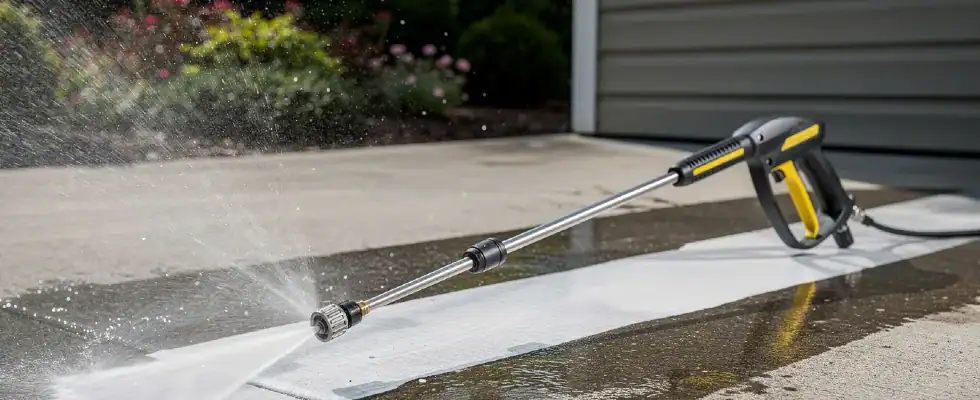
- A pressure washer with adequate power. For gutter cleaning, we generally use a machine set between 1,200 and 1,500 PSI. That is enough pressure to blast loose grime and baked-on residue without punching a hole through aluminum or stripping the finish off a vinyl gutter.
- A wide-angle fan nozzle. Never a zero-degree, pinpoint nozzle. A zero-degree tip concentrates all that pressure into a single point, and it is the fastest way to dent aluminum, strip paint, or blow a seam apart. A wide fan spreads the force out and gets the trough clean without the damage. Crews may switch nozzles or pressure settings between applying cleaner and rinsing, but we still avoid a zero-degree tip for gutter work.
- A telescoping wand. This is the tool that changes everything about how safely a gutter job gets done. A gutter cleaning wand can extend up to 24 feet, often in adjustable lengths of 12, 18, or 24 feet, which means our technicians can clean straight from the ground instead of climbing a ladder story after story. Many attachments connect through a simple quarter-inch quick connect and can run on a unit rated around 4000 PSI at the pump, though the pressure delivered at the tip is dialed back through the nozzle and hose length for gutter-safe cleaning.
- A water broom or dedicated gutter cleaning device. For siding and exterior gutter faces, a water broom needs a pressure washer with a minimum of 2.3 GPM to rinse effectively without leaving streaks.
- A soft brush. For stubborn grime or gutter brightening on aluminum, a brush combined with a gentle cleaning solution restores shine without relying on brute pressure alone.
- Basic protective gear. Gloves, eye protection, and closed-toe footwear are non-negotiable minimums on every job we run.
Fall Protection and Ladder Safety
We will say this plainly: using a ladder while operating a pressure washer is one of the most dangerous combinations in this line of work. The recoil from the wand, a wet rung, or a moment of losing your footing can turn a routine gutter job into a serious fall. A 4000 PSI pressure washer is a powerful device, and in untrained hands it becomes genuinely dangerous, especially when balance is already compromised on a ladder.
This is exactly why we lean on telescoping and curved gutter-cleaning wands whenever the roofline allows for it. Cleaning from the ground removes the ladder from the equation entirely, and it is a huge part of why our fall protection standards keep our crews and your landscaping and property safe on every visit. If a ladder is unavoidable due to roof height or roof pitch, we always secure it properly, use a spotter, and never operate a running pressure washer one-handed while climbing.
Our Step-by-Step Process
Homeowners often ask us to walk through exactly what happens once we arrive, so here is the method we follow from start to finish.
Step 1: Inspect before anything gets wet. We check for loose sections, pulled fasteners, cracked seams, and any spot where a downspout has separated from the underground drain line. Pressure washing a damaged system can turn a small repair into a full replacement, so this quick walk-around matters.
Step 2: Clear the bulk debris by hand. As covered above, this manual pass keeps the downspouts from clogging further once water starts moving.
Step 3: Pre-soak nearby plants and landscaping. If we are using any brightening solution on the gutters, we water down surrounding beds and shrubs first. This simple step protects your landscaping from any runoff or overspray.
Step 4: Flush the trough toward the downspout. Working the wand at a slight angle, we spray along the length of the gutter, guiding remaining dirt and grime toward the opening rather than blasting straight down into random spots. Keeping the spray moving instead of holding it in one place is what keeps this a controlled process instead of a random blast.
Step 5: Flush the downspout from the bottom up. This surprises a lot of people, but it is safer to flush downspouts from the bottom upward to loosen blockages first. Forcing pressure straight down into a clogged downspout from the top can pack debris tighter and make the clog worse. Starting from the bottom loosens the material and lets it clear in the direction it is meant to fall.
Step 6: Rinse the exterior. Once the inside of the system is clear, we rinse the outside face of the gutters to remove stains, streaks, and grime, restoring the kind of curb appeal that makes a house look freshly maintained.
Step 7: Check the flow. We run a hose through the system one more time to confirm water moves freely from the gutter, through the downspout, and out to the underground drain or splash block without pooling anywhere.
Step 8: Clean up. A gutter job creates its own mess of wet debris on the ground, and we always blow or sweep the walkways, driveway, and landscaping clear before we consider the job finished.
Done correctly, with the right nozzle and a controlled process, this really is a super easy job for a trained crew, and an easy way to add years of life back to a gutter system that looked like it was headed for replacement.
Mistakes That Can Damage Your Home
We have restored more than one gutter system that was damaged by an amateur pressure washing attempt, so it is worth being direct about what goes wrong most often:

- Too much pressure, too close. High pressure held too near the surface can dent aluminum gutters, crack vinyl, or strip granules and damage roof shingles themselves if the spray drifts upward toward the roofline.
- The wrong nozzle. A narrow or zero-degree nozzle concentrates force into a single point instead of spreading it out, and that is a fast way to break a seam or blow a hole in thin material.
- Spraying at the wrong angle. Aiming water up under the shingles or behind the siding can force water where it was never meant to go, leading to hidden leaks, trapped moisture, and eventually mold inside wall cavities.
- Ignoring the underground drain. If the downspout empties into an underground pipe and that pipe is clogged, blasting more water into it just backs everything up. That line needs to be checked and cleared separately.
- Skipping the manual pass. As mentioned earlier, going in with high pressure before clearing debris by hand almost always makes the clog worse instead of better.
DIY or Call the Professionals?
Some homeowners are perfectly comfortable handling a single-story home with a stable ladder and a light layer of dirt in the gutters. If that describes your property, a telescoping wand, a gutter-safe nozzle, and a careful, patient method can get the job done.
Where we recommend calling in a professional crew is anywhere height, roof pitch, or an already-struggling system is part of the picture. Two-story and three-story homes, steep rooflines, gutters packed with pine needles and matted wet leaves, or a system already showing sagging and separation are not good candidates for a weekend DIY project. The stress of managing a ladder, a running pressure washer, and a clogged downspout all at once is exactly the situation fall protection standards exist to prevent.
This is where ShinePro comes in. Our crews bring the right pressure washer, the correct nozzle for the material we are working on, and years of hands-on experience deciding how much power a given gutter system can safely take. We also install and service gutter guards for customers who want to cut down on how often this job needs to happen in the first place, which is a smart move for any property surrounded by trees that shed pine needles or drop leaves heavily every fall.
Beyond Gutters: Gutter Brightening and the Full Exterior
Gutter cleaning is often just one part of a larger exterior refresh. Many of our customers pair this service with a full house wash, driveway cleaning, or siding rinse to knock out the grime, stains, and dirt that build up on the exterior all summer long. If you are already restoring the gutters, it is worth taking a look at the rest of the exterior while the equipment is already set up and ready to go.
We proudly offer pressure washing in Norman, OK, along with the rest of the Oklahoma City metro, including Edmond, Moore, Yukon, and Mustang. Whether it is a single gutter tune-up or a full property wash, our team treats every house like it is our own.
Ready to Restore Your Gutters?
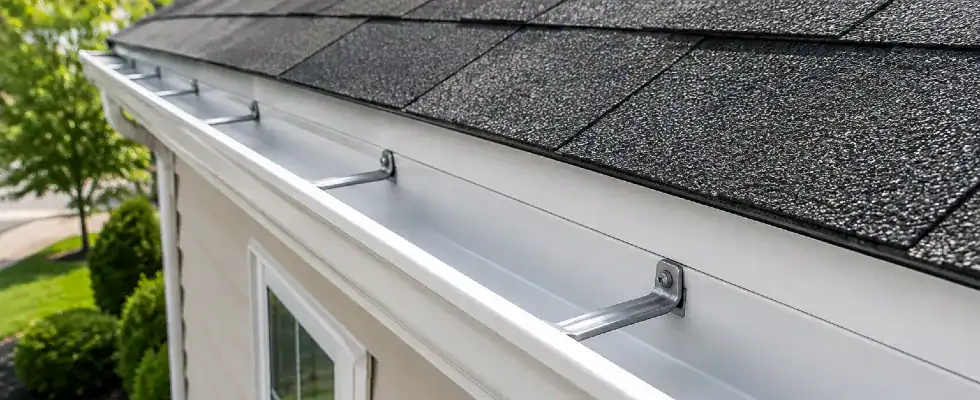
A clean gutter system protects your roof, your siding, and your foundation, and it makes the whole house look sharp from the curb. If your gutters are filling up with debris, staining the siding, or simply overdue for a wash, our team at ShinePro is ready to help. We bring the right tools, the right pressure, and a process built around safety on every single job.
Reach out today for a free quote, and let us take the ladder, the mess, and the guesswork out of your next gutter cleaning.