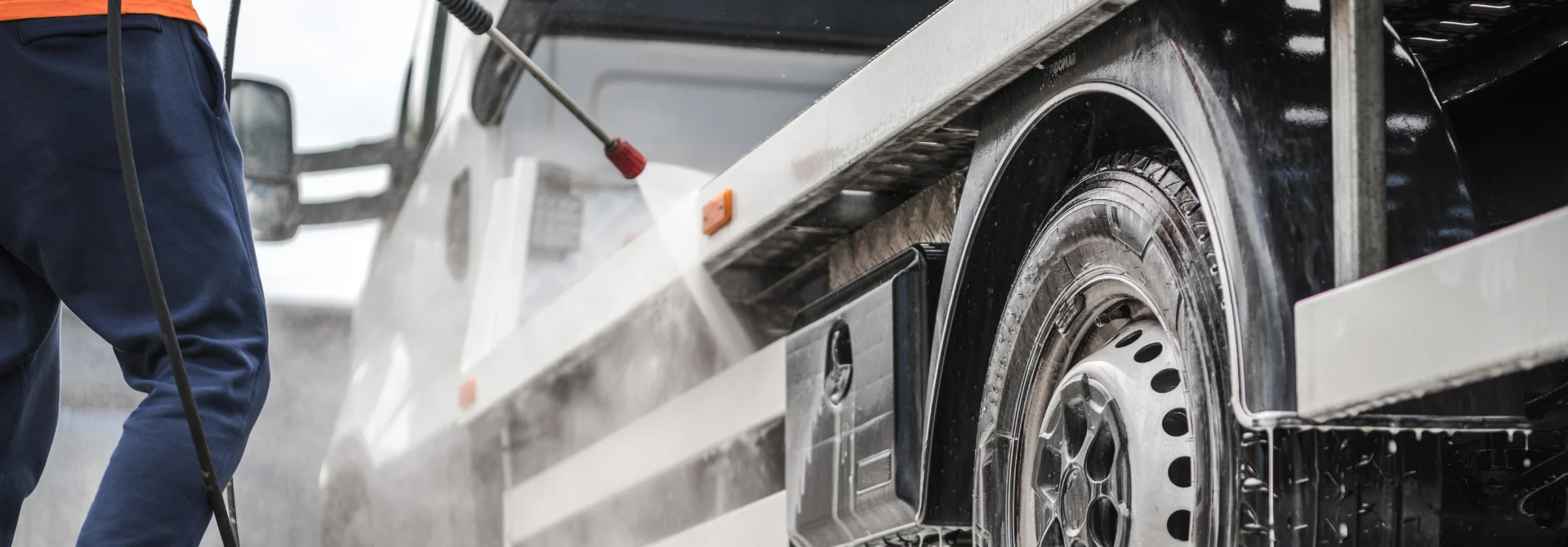
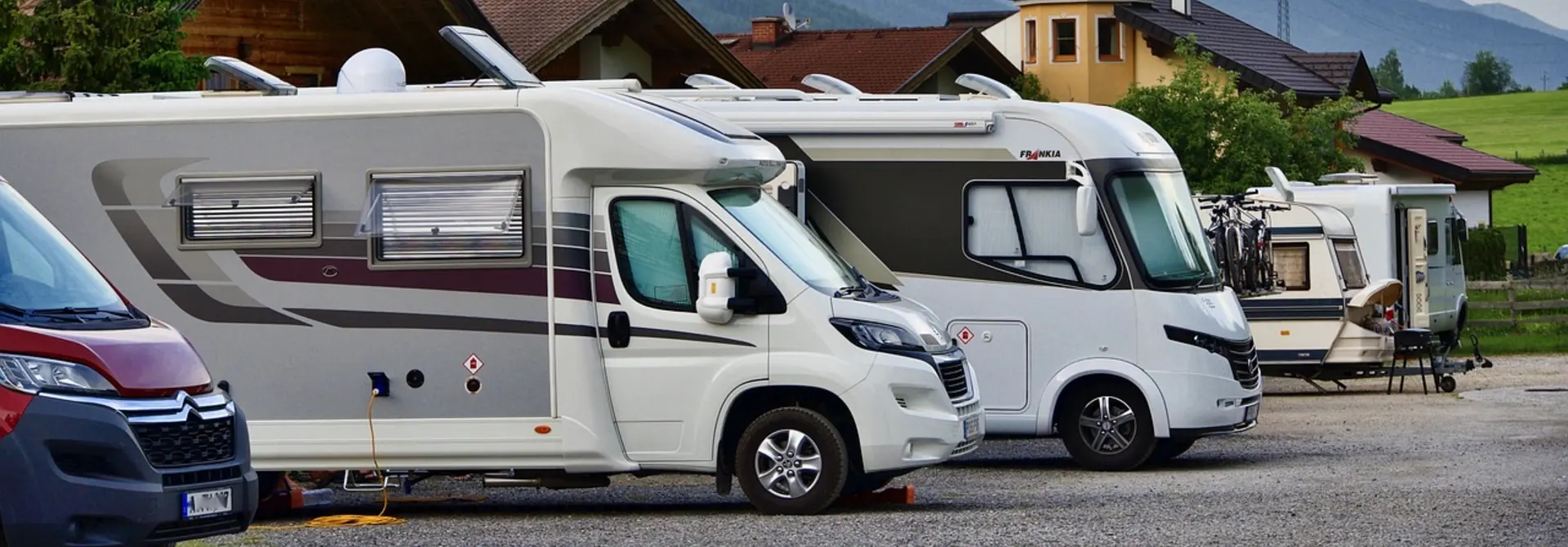
An evening run down I-40 in June can leave the front of a truck or motorhome looking like it lost an argument with every insect in western Oklahoma. To remove bug splatter from RV and truck windshields, soak the remains with water or a bug remover for a few minutes, wipe gently with a clean microfiber cloth or a bug sponge, and finish with glass cleaner so nothing is left to smear. At ShinePro Services in Oklahoma City, we clean a lot of tall, upright glass for RV owners, truck owners, and commercial drivers, and the method below is the one that works without scratching anything.
This post covers what to use, what to skip, and how to keep the next round of bugs from sticking as hard. It matters because dried bugs don’t just look bad: they cut visibility at night and into a low sun, and the longer they sit, the harder they are on the paint and trim around the glass.
Why Bug Splatter Is Harder on Big Windshields

A car windshield is sloped, so plenty of bugs glance off. The windshield on a motorhome, a semi or a dump truck stands nearly upright and covers far more area, so it takes every hit square on. Add highway speed and a few hours of sun, and the remains dry into a crust that bonds harder to the glass every day, and washer fluid only smears around it. UF/IFAS Extension also notes that acidic bug remains can etch a vehicle’s paint the longer they stay on, which is bad news for the painted front cap, mirrors and trim.
What You Need for Safe Bug Removal
Nothing here is exotic, and most of it is already in a well-stocked truck or coach. Keeping it together in a small bug kit makes the job faster, and the goal is to soften the bugs first and let the tools do light work:
- Water and a sprayer: A hose, pump sprayer or spray bottle. Warm, soapy water softens dried remains faster than cold.
- A bug remover: A dedicated bug remover spray for heavy splatter. Many use enzymes that break down bug proteins, so they need only light wiping.
- Clean microfiber cloths and a bug sponge: Several cloths, plus a soft, glass-safe scrubber, never a kitchen scouring pad.
- An extension pole and squeegee: On a tall RV or truck, the top of the windshield is out of reach without one.
- Glass cleaner: For the final pass only.
Skip paper towels, razor blades and harsh abrasives, which can scratch the glass, and use a stable ladder, since no windshield is worth a fall. On some trailers and campers, the side windows are acrylic rather than glass, so check the manual before using a scrubber or solvent on them.
How to Remove Bug Splatter from RV and Truck Windshields, Step by Step
Soak first, wipe second, and scrub only what’s left. Work in the shade or early in the day, because cleaners dry too fast on hot glass and leave streaks.
Step 1: Soak the Bugs
Rinse off loose dust and grit, then spray bug remover or soapy water on the splatter and let it sit for a few minutes, following the label. For a heavy coating, hold a wet towel against the glass for about five minutes; tucking it under the wiper arms keeps it in place. You’d suppose a pressure washer would do the job, but keep it for the rinse and away from the seals, edges and any chip.
Step 2: Wipe Gently, Top to Bottom
Wipe with a wet microfiber cloth or bug sponge in straight, overlapping passes from the top down. Softened bugs come away with light pressure, so if you’re leaning into it, stop and soak again. Rinse or swap the cloth often, because dragging grit across glass is how fine scratches happen.
Step 3: Finish the Glass and the Wipers
Re-treat any stubborn spots, and use a clay bar with plenty of lubricant for residue you can feel but barely see. Then rinse, finish with glass cleaner and a dry cloth, and wipe the wiper blades too, since blades packed with bug residue smear the glass on the first swipe. If you found us searching for ShinePro detailing after a long haul, this is the same process our crew follows on the trucks and RVs we wash, just with taller ladders.
Home Remedies: What Works Great and What to Skip
You’ll hear a dozen cures at any campground or truck stop, all shared with total confidence. Some work great, some are fine on paint but wrong for glass, and a few cause more trouble than the bugs did.
Hot Water and Dryer Sheets
Hot water is the cheapest first move, because bug remains soften with heat and moisture. Use hot tap water, never boiling, since sudden temperature swings are hard on glass, especially glass with a chip. Nothing will melt the bugs off, but a wet dryer sheet laid over the splatter for five minutes works well too, as long as you follow with glass cleaner to remove the film it leaves.
Tar Remover, Simple Green and WD-40
A bug and tar remover is made for this job, and it’s what we’d suggest for most people. Simple Green comes up a lot in RV forums; if you use it, dilute it as the label says and rinse well so it doesn’t dry on paint, decals or wax. WD-40 loosens bugs but leaves an oily film that smears under the wipers, so keep it off the windshield.
Check the Glass While You Clean

Cleaning is the one time most drivers look at every inch of their windshield, so look for chips, pits and short cracks while you’re up there. For commercial drivers, it’s a compliance item: under 49 CFR 393.60, the windshield area above the top of the steering wheel has to be free of damage, with narrow exceptions. If you spot a chip, don’t scrub over it. Our windshield repair team can tell you honestly whether a repair will do or the glass needs replacing.
How to Keep Bugs From Sticking Next Time
You can’t stop bugs from hitting a windshield the size of a picnic table, but a little prevention cuts the cleaning time a lot. These habits make the biggest difference in bug season:
- Wipe at every fuel stop: Fresh splatter comes off with a squeegee before it bakes on; day-old splatter needs the whole routine.
- Use a glass treatment: Hydrophobic coatings help bugs wipe off more easily. Our comparison of Rain-X and ceramic coating for windshields explains the options.
- Wax the front cap: A coat of wax or sealant before bug season protects the paint.
- Know your film: If your coach has a clear protective film such as Diamond Shield, follow the film maker’s care instructions and skip harsh solvents.
None of this makes an RV bug-proof, whether the trip is a weekend at the lake or a run up to Canada. It just turns a hard scrub into a quick wipe at the end of a long day.
Frequently Asked Questions
These are the bug removal questions drivers ask us most. The short answers assume the glass is cool and already rinsed.
What Dissolves Bugs on a Windshield?
Water and time do most of the work. Keep dried remains wet for several minutes, or use a bug remover spray to speed it up, then wipe them away with light pressure.
What Is the Best Bug Remover for an RV?
The right one depends on what the front of your RV is made of. Look for a bug remover labeled safe for glass, clear coat, fiberglass and any protective film, and test it on a small spot first.
Does WD-40 Remove Bugs From a Car?
It can loosen them, but it leaves an oily film that smears under the wipers. A vehicle bug remover does the same job without the extra cleanup.
What Is a Good Windshield Bug Remover?
A spray that clings long enough to soften the remains, wipes off clean, and is safe for the paint and rubber around the glass. Pair it with a soft bug sponge and a final pass of glass cleaner.
Let ShinePro Handle the Bug Removal
Bug splatter is easy when it’s fresh and stubborn when it isn’t, so soak, wipe gently, finish the glass, and check for chips. If you’d rather skip the ladder work, ShinePro Services is a family-owned Oklahoma City company that washes and details trucks, RVs, and fleet vehicles, and we repair and replace windshields too.
We come to you, and we’ll tell you plainly what will clean up and what won’t. See our truck and RV detailing services, then contact us or give us a call at 405-939-1550 for a free quote before your next trip down I-40 gives the bugs another shot.