
Commercial vehicles live a rough life. One week it is freezing rain and road salt. The next it is 105-degree heat cooking tires in a truck stop parking lot somewhere off I-40. Add diesel grime, bug splatter, mud, potholes, and drivers surviving on gas station coffee, and it becomes pretty obvious why fleet maintenance cannot wait until something starts smoking.
If you want to keep on truckin’, your fleet needs more than the occasional wash and a hopeful kick to the tires.
At ShinePro, we help commercial fleets across Oklahoma stay cleaner, sharper, and road-ready through every season. From winter buildup under your trucks to summer oxidation baking onto aluminum surfaces, staying ahead of maintenance helps your vehicles last longer, look better, and spend more time making money rather than sitting in a shop bay.
Why Seasonal Fleet Maintenance Matters

Every season creates different problems for commercial trucks. Heat, freezing temperatures, rain, mud, dust, and heavy mileage all affect vehicle maintenance differently throughout the year. A smart maintenance program helps fleet managers stay ahead of expensive repairs before small issues become major repairs.
The difference between preventive and demand maintenance often comes down to timing. Companies that invest in preventive maintenance usually experience fewer emergency repairs, lower operational costs, and less unexpected downtime.
Commercial Vehicles Never Really Slow Down
Most commercial vehicles spend long hours on the road carrying heavy loads through unpredictable conditions. Unlike personal cars, diesel trucks and heavy-duty trucks rarely get extended breaks between jobs.
That constant use creates wear on:
- Cooling systems
- Brake components
- Fuel filters
- Window glass
- Air and fuel filters
- Structural members
When vehicles are not inspected regularly, small mechanical problems can quickly grow into expensive truck repair situations.
The Hidden Cost of Ignoring Maintenance Records
Good maintenance records are not just paperwork sitting in a folder somewhere. Accurate maintenance records help fleet managers identify equipment trends, monitor repair work performed, and reduce unnecessary maintenance costs over time.
A good maintenance program includes:
- Oil and filter changes
- Tire rotation
- Engine tune-ups
- Transmission service
- Brake jobs
- Radiator maintenance
- Electrical troubleshooting
Without recording meaningful data and service tracking, companies often end up repeating repair procedures or missing warning signs before a sudden failure occurs.
How Demand Maintenance Turns Into Crisis Maintenance
Demand maintenance sounds fine until a truck breaks down halfway through a delivery route.
Demand or crisis maintenance usually happens when companies delay necessary maintenance until something fails completely. Instead of scheduling economical service ahead of time, businesses end up paying for:
- Emergency roadside assistance
- Replacement vehicle rentals
- Possibly reroute deliveries
- Lost productivity
- Emergency repairs
Preventive maintenance differs in that it focuses on preventing breakdowns before they occur rather than reacting afterward.
Spring Fleet Maintenance Checklist
Winter leaves commercial trucks absolutely coated in grime, road salt, moisture, and buildup. Spring is one of the most important times to systematically inspect your fleet and clean away damage caused by colder weather.

Post-Winter Inspections for Commercial Trucks
Spring inspections should focus on areas that took the biggest beating during winter driving conditions.
This includes checking:
- Specific engine hoses
- Brake systems
- Tire wear
- Light bulbs
- Cooling systems
- Deteriorated structural members
Drivers who operate motor vehicles daily may notice issues before management does, which is why the driver’s vehicle condition report matters so much during seasonal inspections.
Cleaning Road Salt and Winter Grime From Your Commercial Fleet
Salt buildup underneath commercial fleet vehicles can slowly destroy metal surfaces if left untreated. Spring detailing helps protect aluminum, paint, and exposed vehicle parts from corrosion and long-term deterioration.
At ShinePro, fleet maintenance detailing services help remove:
- Salt residue
- Road grime
- Mud buildup
- Diesel stains
- Oxidation
Keeping service vehicles clean is not just a cosmetic matter. It directly affects vehicle longevity and long-term maintenance.
Checking Windshield Damage After Winter Driving
Winter roads launch debris everywhere. Between gravel, ice, and road construction, windshield chips and cracks become common during colder months.
A damaged windshield can:
- Affect safe operation
- Create DOT issues
- Reduce driver visibility
- Lead to larger cracks later
Commercial trucks should have window glass inspected regularly before spring storms and busy hauling seasons begin.
Cooling Systems Inspection Before Temperatures Rise
Nobody wants overheating problems during an Oklahoma summer.
Spring is the best time to inspect cooling systems, radiator maintenance needs, and fluid levels before temperatures climb. Heavy-duty truck repair caused by overheating often becomes far more expensive than preventative service done earlier in the season.
Summer Fleet Maintenance Priorities
Summer heat in Oklahoma City can be brutal on motor vehicles. Long hours on hot pavement increase wear across multiple systems, especially for commercial trucks running daily routes.
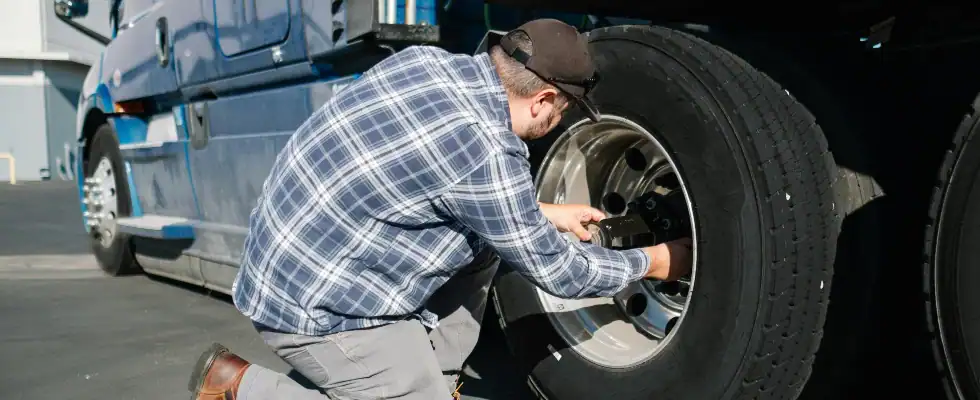
Oklahoma City Heat Is Hard on Commercial Vehicles
Extreme temperatures put stress on:
- Tires
- Engines
- Cooling systems
- Batteries
- Fluids
Heat also accelerates oxidation on aluminum surfaces and increases buildup on exterior paint and glass.
Fleet maintenance during summer should focus heavily on preventing heat-related breakdowns and protecting fuel economy during high-mileage months.
Preventing Overheating Issues in Heavy-Duty Truck Repair
Overheating problems are one of the most common summer mechanical problems for diesel trucks.
Routine maintenance should include:
- Radiator inspections
- Coolant checks
- Fan inspections
- Hose inspections
- Engine tune-ups
Ignoring these systems often leads directly to major repairs and unexpected downtime.
Protecting Paint, Aluminum, and Exterior Surfaces
Summer sunlight cooks contaminants directly onto commercial vehicles. Bug splatter, road film, and oxidation become much harder to remove if ignored for weeks at a time.
Regular detailing helps:
- Protect paint
- Preserve aluminum finishes
- Improve appearance
- Reduce corrosion risks
ShinePro helps fleets across Oklahoma City maintain clean, professional-looking trucks throughout the hottest parts of the year.
Why Summer Fleet Washing Matters More Than You Think
A dirty truck is not just ugly. Heavy grime buildup can hide vehicle defects, damage surfaces, and make inspections more difficult later.
Routine cleaning also improves management’s appreciation of the overall fleet condition because problems become easier to spot before they worsen.
Fall Maintenance Before Busy Season Hits
Fall is preparation season. Smart fleet managers use cooler weather to perform necessary repairs before winter conditions arrive.

Preparing Commercial Trucks for Colder Weather
Cold weather stresses commercial trucks differently than summer heat does. Batteries weaken faster, fluids thicken, and visibility problems become more dangerous during storms and shorter daylight hours.
Preventive maintenance in the fall helps dramatically reduce the risk of winter breakdowns.
Inspecting Tires, Wipers, and Driver Visibility
Fall inspections should focus heavily on:
- Tire condition
- Wiper blades
- Window glass
- Defrosters
- Light bulbs
Safe operation depends heavily on visibility during rain, fog, sleet, and snow.
Fleet Detailing Before Mud, Rain, and Ice Arrive
A properly cleaned and protected fleet handles winter weather far better than neglected vehicles.
Protective detailing helps reduce:
- Salt buildup
- Surface corrosion
- Paint deterioration
- Oxidation
Commercial vehicles spend enough time battling the weather already. Giving them extra protection before winter simply makes sense.
Why Fall Is the Best Time To Schedule Preventive Services
Waiting until winter to schedule maintenance often means longer shop delays and higher repair demand.
Fall gives fleet managers time to:
- Schedule maintenance calmly
- Identify equipment issues
- Handle necessary maintenance
- Reduce crisis maintenance later
A good pm program always plans ahead before bad weather arrives.
Winter Fleet Maintenance Essentials
Winter conditions create some of the hardest driving environments of the year for commercial fleets.
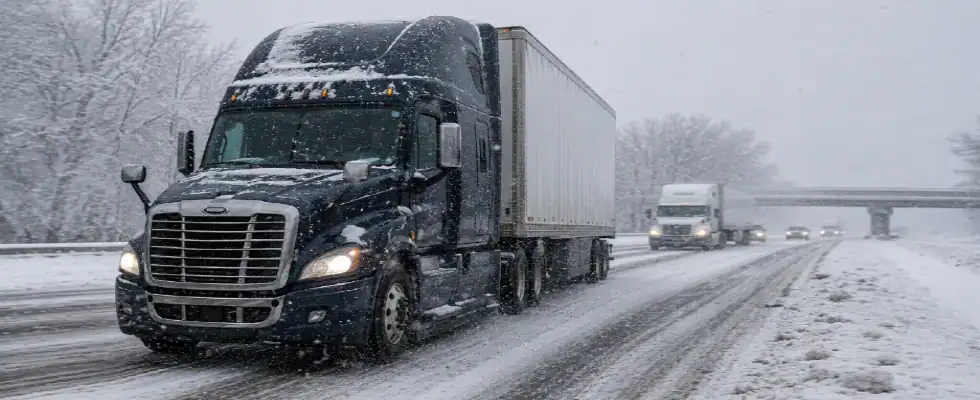
Winter Road Conditions and Commercial Fleet Wear
Road salt, ice, slush, and freezing temperatures accelerate wear across nearly every vehicle system. Heavy-duty trucks experience additional stress because of long hours on dangerous roadways.
Routine inspections help catch:
- Vehicle deficiencies
- Tire damage
- Brake wear
- Fluid leaks
- Corrosion
Catching these problems early helps fleet managers schedule repairs before they become larger safety concerns or cause unexpected downtime during busy winter routes. A few minutes spent inspecting trucks can save hours of delays later when road conditions are at their worst.
Windshield Repair and Replacement During Cold Weather
Cold weather causes small chips to spread quickly across glass surfaces.
Quick windshield repair helps:
- Protect visibility
- Prevent larger cracks
- Avoid DOT violations
- Improve driver safety
Addressing minor windshield damage early can prevent costly replacements later and help keep drivers safe during harsh winter conditions. Whether your fleet operates locally or across Oklahoma, scheduling repairs before winter weather arrives can help avoid larger issues down the road. ShinePro provides fleet vehicle glass repair in The Village, OK, helping commercial fleets maintain clear visibility, stay compliant, and reduce the risk of weather-related glass damage.
A last vehicle condition report should always include windshield inspections during the winter months.
Keeping Commercial Vehicles Safe During Freezing Temperatures
Winter maintenance should focus heavily on safe operation and reliability.
Fleet managers should inspect:
- Heating systems
- Defrosters
- Batteries
- Tire traction
- Specific engine hoses
Commercial trucks that are not prepared for freezing temperatures are far more likely to suffer sudden failure during active routes.
Avoiding Costly Downtime With Seasonal Maintenance
Every hour a truck sits broken down costs money. Missed deliveries, delayed schedules, unhappy customers, and unexpected repair bills can quickly turn a typical job into an expensive headache.
Preventive maintenance remains the most economical service strategy because it reduces:
- Emergency repairs
- Downtime
- Delivery delays
- Operational costs
Crisis maintenance is much more expensive than preventive or demand maintenance because problems are often discovered only after a breakdown occurs. Building a schedule around preventative maintenance gives fleet managers time to plan maintenance work, complete necessary repair procedures, and keep trucks operating safely throughout the year.
Fleet Appearance Still Matters
A clean fleet says a lot about a business before a driver ever steps out of the cab.
What Dirty Commercial Vehicles Say About Your Business
Customers notice dirty commercial vehicles immediately. Excess grime, stained aluminum, cracked glass, and neglected paint create a poor first impression before work even begins.
Appearance matters in competitive industries. A clean, professional-looking fleet communicates attention to detail and shows customers that your company takes pride in its equipment.
Why Fleet Detailing Helps Protect Long-Term Value
Detailing does more than improve appearance. It helps preserve:
- Paint quality
- Aluminum finishes
- Window clarity
- Vehicle parts
- Exterior surfaces
These benefits make routine detailing an important part of any long-term fleet maintenance strategy. Clean surfaces also make it easier for technicians and drivers to note vehicle deficiencies before small concerns become larger repair projects.
Regular cleaning also helps technicians fix problems earlier because surfaces stay visible during inspections.
Keeping Drivers Proud of the Equipment They Operate
Drivers spend long hours inside these trucks. Clean, well-maintained vehicles often improve morale and encourage drivers to notice vehicle deficiencies earlier rather than ignore them.
When drivers take pride in the equipment they operate, they are often more likely to report concerns, document issues, and participate in daily inspections. That extra attention can help identify maintenance needs before they affect schedules or create costly downtime.
A well-maintained truck usually gets treated better overall.
Stay Ahead of Fleet Maintenance Year-Round
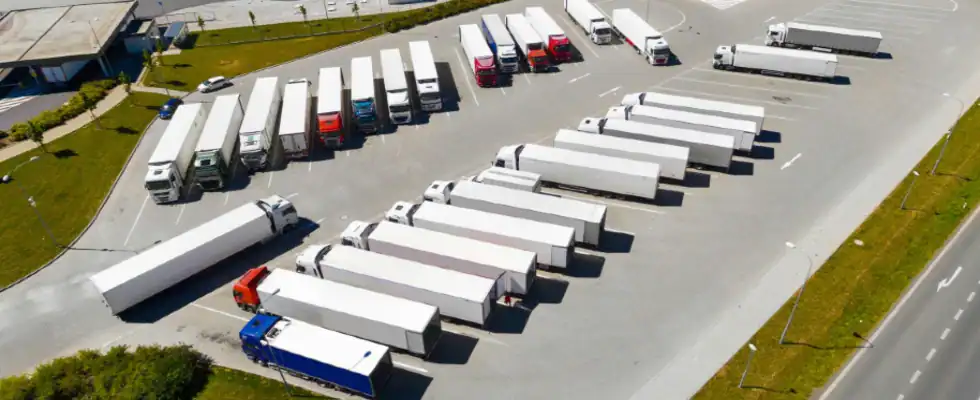
Fleet maintenance is not about reacting after something breaks. It is about staying ahead of problems before they create expensive downtime, missed deliveries, or unsafe driving conditions.
At ShinePro, we help commercial fleets across Oklahoma stay cleaner, safer, and road-ready throughout every season. Whether your commercial fleet needs detailing, windshield repair, aluminum polishing, or support extending vehicle life, our team is here to help. Contact us today to keep your fleet looking its best and keep on truckin’ all year long.


