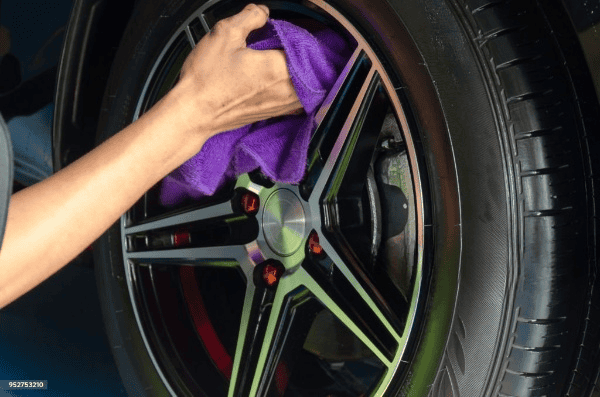
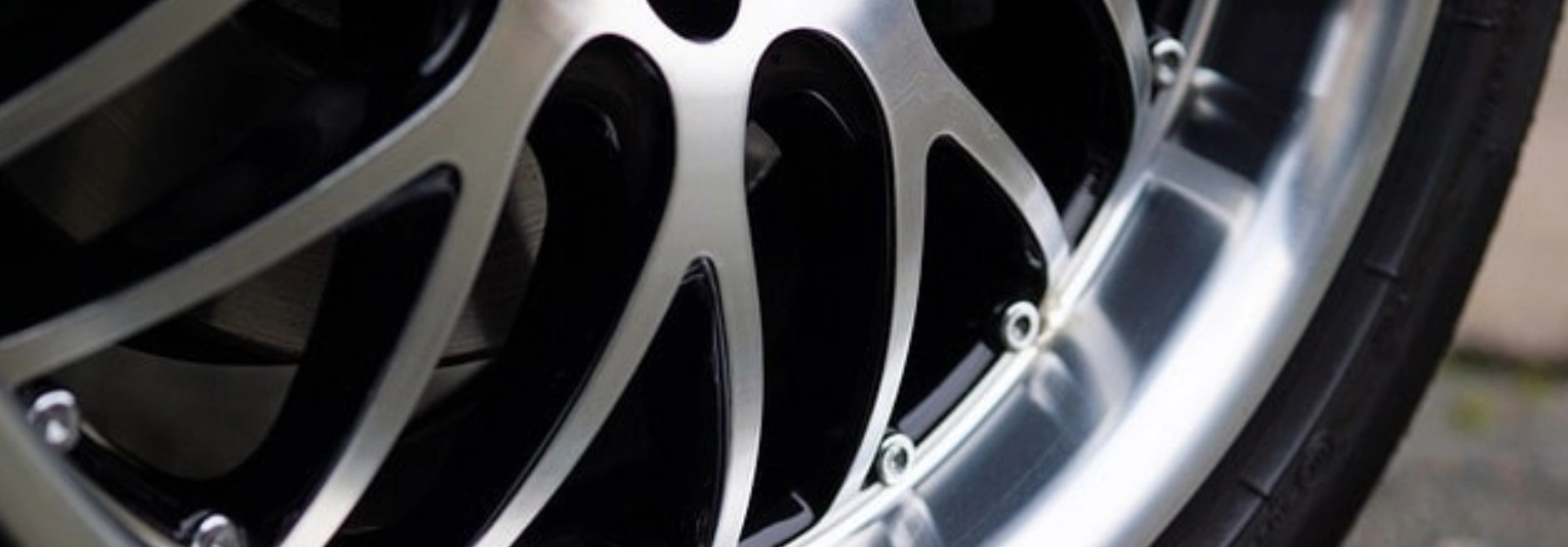
When it comes to keeping your wheels looking their best, not all metals are created equal. Chrome and aluminum are two of the most common materials used on polished wheels, but the process for maintaining each one is completely different. Whether you are cleaning semi-truck aluminum wheels or restoring the shine on a passenger car’s chrome wheels, understanding the differences between these two metals will save you time, money, and a lot of frustration.
This blog breaks down what makes chrome and aluminum unique, how to polish each one correctly, and what mistakes to avoid so you can protect your investment for the long run.
Related Article: What Grit Sandpaper For Polishing Aluminum
Chrome vs. Aluminum: What You Are Actually Working With
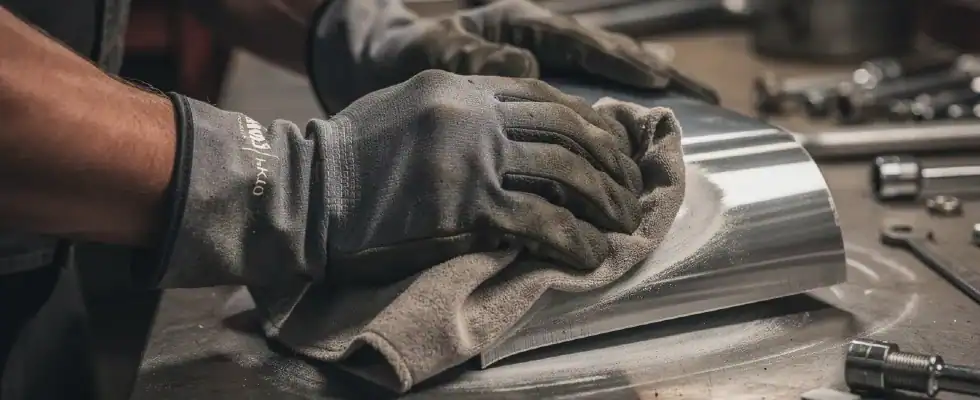
Before you grab a metal polish and start buffing, it helps to understand what you are actually dealing with on the surface of your wheel.
Chrome is not a metal on its own in most automotive applications. Chrome wheels are typically made from steel or aluminum and then coated with a layer of chrome plating. That thin chrome plating is what gives chrome wheels their signature mirror finish. The problem is that chrome plating is relatively delicate. Because it is a coating rather than a solid metal, it can peel, crack, or chip if handled with the wrong products or tools. Once that protective layer is compromised, rust and corrosion can form underneath very quickly.
Aluminum, on the other hand, is the base metal itself. Polished aluminum wheels are popular across cars, trucks, and commercial vehicles because aluminum is lightweight, durable, and responds well to polishing. When you polish aluminum, you are working directly on the metal surface, which means you have more flexibility with the tools and compounds you can use. That said, aluminum is still prone to oxidation over time, especially when exposed to road salt, brake dust, water spots, and other elements.
Additionally, some wheels fall into a third category: clear-coated wheels. These are aluminum or steel wheels that have been sprayed with a clear coat finish to protect the surface and maintain shine without regular polishing. Clear-coated wheels require their own approach and should never be treated with abrasive compounds that could scratch or eat through the coating.
Why the Difference Matters for Your Polishing Process
Using the wrong method on the wrong metal is one of the most common and costly mistakes vehicle owners make. Treating chrome like bare aluminum, or attacking clear-coated wheels with an aggressive compound, can do serious and permanent damage.
Here is why the difference matters in practical terms:
Chrome plating is thin. Any abrasive material, including harsh compounds, steel wool, or rough pads, can cut right through it and expose the metal underneath. Once the plating is gone in a spot, it will not come back without professional re-plating. That makes the restoration process significantly more expensive than regular maintenance would have been.
Aluminum, in contrast, is more forgiving with moderate abrasion. Because you are working on solid metal rather than a coating, a more aggressive compound can safely remove oxidation, road grime, and surface scratches. The goal is to work through progressively finer stages until you reach a smooth, reflective surface. Polished aluminum wheels can achieve a finish that rivals chrome when the process is done correctly.
Clear-coated wheels sit in a different category entirely. The clear coat acts like paint, and the goal is to protect it, not cut through it. Think of it like waxing a car. You want to clean and seal the surface, not sand it down.
Tools and Products: Matching the Right Supplies to Each Metal
Getting the right results starts with using the right tools. Here is a breakdown of what works for each surface type.

For chrome wheels, you want gentle, non-abrasive products. A quality chrome polish designed specifically for plated surfaces is your best option. Avoid anything labeled as a cutting compound or heavy oxidation remover. Use a soft microfiber cloth or a foam applicator pad to apply and buff. Never use steel wool on chrome plating, even if the surface looks heavily tarnished. The risk of scratching through to the metal underneath is too high. A soft brush can help you get into the areas around the rim and near the tire without putting pressure on flat surfaces.
For polished aluminum wheels, you have more options. A light metal polish works well for regular maintenance and keeping a mirror finish intact. For wheels that have been neglected and show significant oxidation or dullness, a more aggressive aluminum polishing compound may be needed first, followed by a finer finish polish to bring back the shine. A drill with a polishing attachment or a foam buffing pad on a random orbital tool can speed up the process considerably on larger surfaces like semi-truck aluminum wheels. Just keep the tool moving and avoid staying in one spot, which can create heat buildup and uneven results.
For clear-coated wheels, skip the polishing compounds entirely. Use a dedicated wheel cleaner to remove brake dust and dirt, rinse thoroughly, dry, and then apply a quality wax or paint sealant to protect the coating. If the clear coat is already peeling or flaking, no amount of waxing will fix it. At that point, a professional refinishing job may be the only real option.
How to Polish Chrome Wheels Safely
Follow these directions carefully to maintain your chrome wheels without causing damage.
Step 1: Rinse and clean. Start by rinsing the wheel with water to remove loose dirt, sand, and dust. Use a gentle soap and a soft brush to clean around the rim, spokes, and near the tire. Rinse again thoroughly.
Step 2: Dry completely. Water spots can form quickly on chrome. Dry the surface with a clean microfiber towel before applying any product.
Step 3: Apply chrome polish in small sections. Put a small amount of chrome polish on a soft applicator pad and work it into the surface using gentle circular motions. Work in small sections rather than trying to do the entire wheel at once.
Step 4: Buff away. Use a clean, dry microfiber cloth to buff the polish off. You should see a clear, reflective surface emerging. Flip the cloth frequently to avoid redepositing residue.
Step 5: Seal and protect. Apply a quality wax or metal sealant designed for chrome to create a protective barrier against road salt, snow, brake dust, and moisture. This step is critical for preventing oxidation and keeping the shine longer between sessions.
Test a small area first if you are trying a new product on your wheels. Apply it to a small, inconspicuous spot, wait a few minutes, and check for any adverse reaction before proceeding to the full surface.
How to Polish Polished Aluminum Wheels Safely
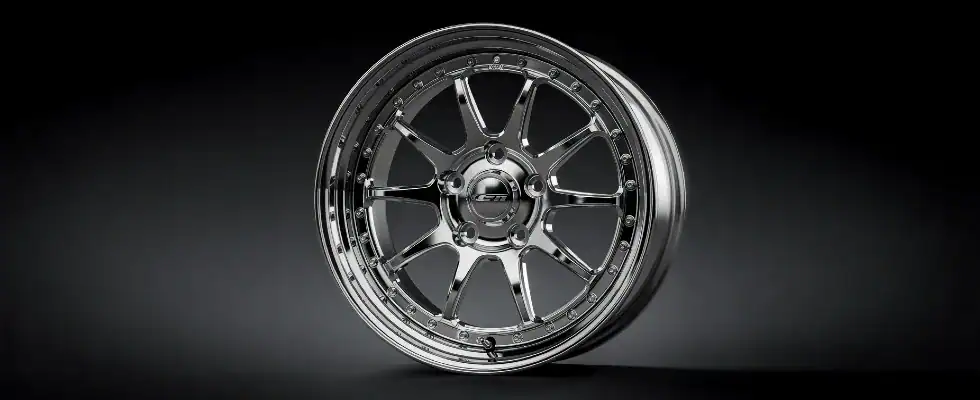
Aluminum can handle a more hands-on approach, but the process still requires some care to avoid creating swirl marks or uneven results.
Step 1: Wash and rinse. Clean the wheel thoroughly to remove brake dust, road grime, and any loose debris. A dedicated wheel cleaner works well here because it is formulated to break down the specific compounds that stick to wheels.
Step 2: Assess the condition. If the aluminum has turned dull or chalky, that is oxidation. You will need a more aggressive compound to remove it before you can polish the surface to a shine. If the wheel is just slightly dull, a regular polishing product may be enough.
Step 3: Work in stages. Start with a heavier compound if oxidation is present, working in small circular sections. Then move to a finer metal polish to refine the surface. This staged approach creates a smoother, more uniform final finish.
Step 4: Use the right tool for the job. For smaller wheels on a car, hand polishing with a microfiber cloth is practical and effective. For larger wheels like semi-truck rears or heavy-duty vehicle wheels, using a drill with a foam polishing attachment saves significant time and effort. Keep the tool moving at all times.
Step 5: Seal the surface. Aluminum is naturally prone to oxidation when exposed to air and moisture. After polishing, apply a dedicated aluminum sealant or wax to protect the surface and maintain the shine. This is especially important on vehicles that regularly encounter road salt, snow, or wet conditions. Sealing the surface creates a barrier that helps prevent oxidation from taking hold again quickly.
Chrome vs. Aluminum: Side-by-Side Comparison
| Factor | Chrome Wheels | Polished Aluminum Wheels | Clear Coated Wheels |
|---|---|---|---|
| Surface type | Chrome plating over base metal | Bare aluminum | Aluminum or steel with clear coat |
| Polishing difficulty | High (risk of damaging plating) | Moderate | Low (clean and protect only) |
| Abrasive compounds | Never | Yes, with care | Never |
| Mirror finish potential | High when properly maintained | Very high | Moderate |
| Oxidation risk | High if plating is compromised | Moderate | Low if coating is intact |
| Durability | Depends on plating quality | Generally durable | Depends on clear coat condition |
| Maintenance frequency | Every 2 to 4 weeks | Every 4 to 8 weeks | Every 4 to 8 weeks |
Common Mistakes to Avoid
Using steel wool on chrome. Steel wool is too abrasive for chrome plating and will scratch through the surface coating, leaving the metal underneath exposed to rust and corrosion. Even fine steel wool carries this risk.
Applying a cutting compound to clear-coated wheels. A cutting compound is designed to remove material from a surface. On clear-coated wheels, it will remove the coating itself, which defeats the entire purpose and may require a full refinishing to fix.
Skipping the rinse step. Sand, grit, and brake dust left on the surface before polishing act like sandpaper under your cloth or pad. Always rinse and clean thoroughly before you start.
Using the same pad for both metals. Residue from a compound used on aluminum can damage chrome. Keep your pads and cloths separate for each surface type.
Over-polishing. More is not always better. Polishing too aggressively or too often on chrome can thin the plating over time. Regular maintenance with a light polish and protective wax is a smarter long-term strategy than heavy-duty treatments every few weeks.
Maintenance Tips for Long-Lasting Shine
Regular maintenance is the most effective way to protect both chrome and aluminum wheels over time. A consistent routine reduces the amount of work needed at any single session and helps you catch problems early before they require more extensive restoration.
Rinse your wheels after every ride in wet or salty conditions. Road salt is one of the fastest ways to accelerate corrosion on both chrome and aluminum. A quick rinse after driving in snow or rain goes a long way toward protecting your investment.
Keep brake dust under control. Brake dust contains metallic particles that are acidic and can etch into both chrome and aluminum surfaces if left to sit. The longer it stays on, the harder it is to remove without an abrasive compound that could create more risk than it solves.
Reapply wax or sealant regularly for added protection. A good seal will generally last four to six weeks under normal conditions, less if the vehicle is exposed to harsh elements regularly. Maintaining that protective coating means the metal never sits completely exposed to the environment.
Inspect your wheels periodically for early signs of peeling, pitting, dull spots, or cracks. Catching an issue early often means the difference between a simple polish and needing to replace the wheel; on chrome, severe damage may also require professional re-chroming, which often starts around $300+ per wheel because the finish is built through electroplating layers that include nickel beneath the top coat.
Keep Your Wheels Looking Their Best
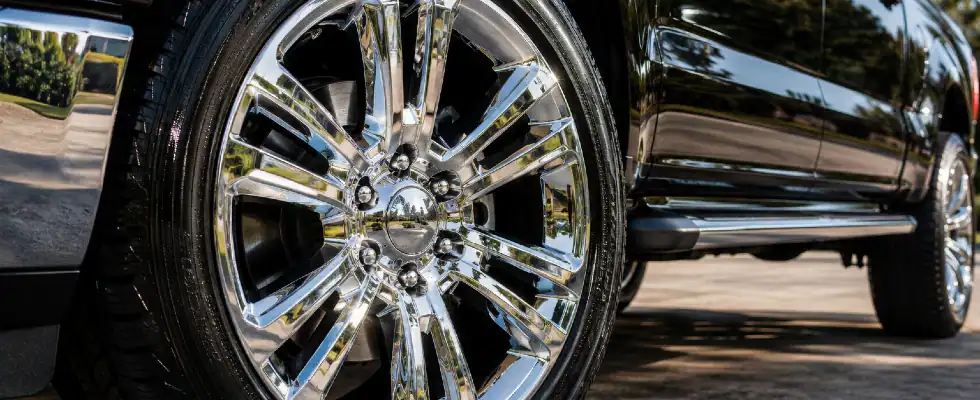
The key to great-looking wheels is matching your method to your metal. Chrome plating demands a gentle touch, quality chrome polish, and consistent sealing to stay protected. Polished aluminum wheels can handle a more hands-on approach and reward regular maintenance with a durable, mirror-quality shine. Clear-coated wheels are best served by cleaning and sealing rather than polishing at all.
Whether you are managing a fleet of commercial vehicles and focused on cleaning semi-truck aluminum wheels, or simply trying to upgrade the look of your personal car or truck, understanding the difference between these surfaces is the foundation of every good detailing routine. Work with the right tools, follow the right process for each metal, and protect what you have polished. That combination of quality products and regular maintenance is what keeps vehicles looking sharp and wheels holding their value mile after mile.
Learn more in our Aluminum Polishing Info Hub
ShinePro Services serves Oklahoma City and surrounding areas, including Edmond, Norman, Moore, Yukon, Mustang, and more. Contact us today to learn about our professional fleet detailing and wheel restoration services.