
As the crisp Oklahoma City winter approaches, business owners and fleet managers face unique challenges in keeping their fleet vehicles safe, efficient, and reliable. Cold weather can affect everything from tire pressure to fuel efficiency, and without proactive preparation, costly repairs and unexpected breakdowns are just around the corner. Prepping your fleet for winter isn’t just about swapping tires or topping off fluids—it’s a comprehensive approach that ensures your vehicles and drivers are well prepared for the season. Partnering with trusted service providers like ShinePro can also support your winter readiness by helping maintain clean, protected, and well-presented fleet vehicles throughout the colder months.
Whether you manage a small commercial fleet or a large network of vehicles, following a structured winter maintenance plan can save your business money, reduce downtime, and keep your operations running smoothly. This guide provides essential tips and best practices for fleet managers, drivers, and business owners aiming to keep their fleet safe and efficient during the winter months.
Understanding the Unique Challenges of Winter for Fleet Operations
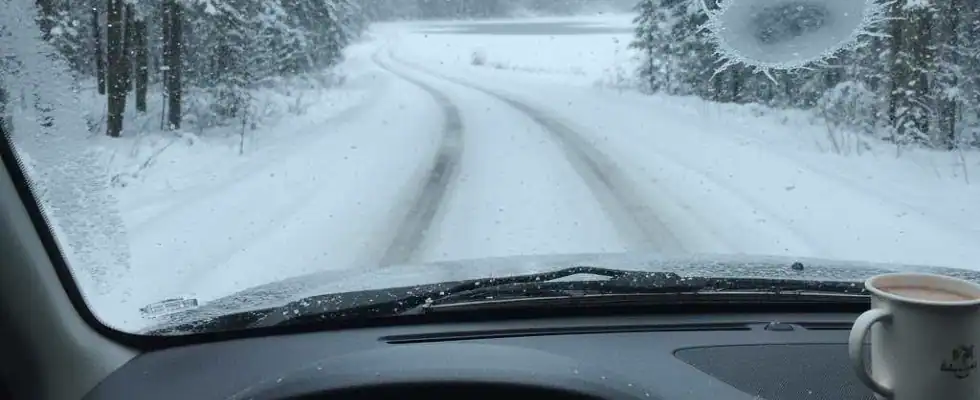
Winter weather in Oklahoma City can bring freezing temperatures, ice, snow, and unpredictable road conditions. Cold weather can affect fleet vehicles in ways that are often overlooked until problems occur. Fuel gelling, reduced tire pressure, worn belts, and brake pad issues are just some of the challenges fleet managers face during the colder months. Compared to summer hazards like extreme heat, high temperatures, and the strain on cooling systems and air conditioning, winter requires a different proactive approach to maintenance.
Fleet operations can be compromised if routine maintenance is neglected. Vehicle performance can drop, fuel efficiency can decrease, and minor issues can escalate into major problems. For commercial vehicles, even a short delay due to an unexpected breakdown can significantly impact productivity and costs. By taking proactive steps now, fleet managers can ensure their vehicles are winter-ready and drivers remain safe on the roads.
Key Preventive Maintenance Tasks to Prioritize
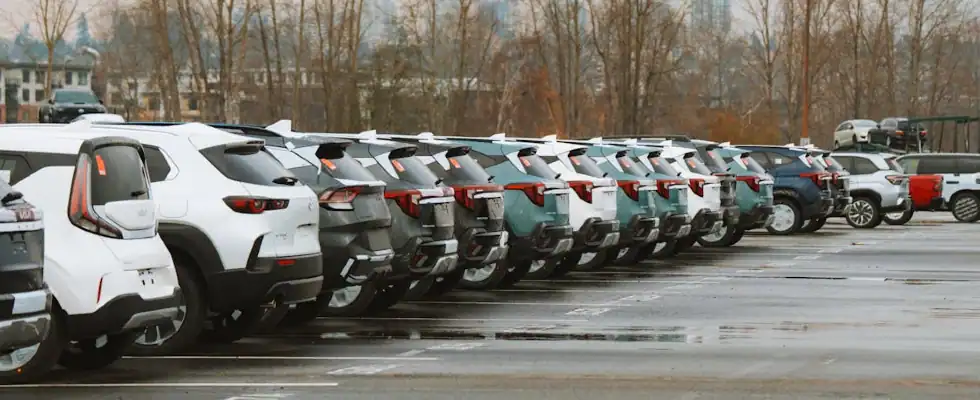
A successful winter fleet prep starts with preventive maintenance. Routine maintenance is critical for minimizing downtime and avoiding costly repairs. Here are essential tasks every fleet manager should prioritize:
Engine Oil and Fluids
Cold weather thickens engine oil, reducing lubrication and potentially causing engine strain. Fleet managers should schedule oil changes and select engine oils suitable for colder temperatures. Alongside oil, regularly checking coolant levels, fluid levels, and the cooling system ensures vehicles do not overheat and run smoothly.
Air Filters and Fuel System
Replacing air filters and fuel filters before the winter months maintains fuel efficiency and protects engine performance. Fuel lines should be inspected to prevent fuel gelling, a common winter issue that can lead to vehicle stalling. Regular fluid checks and filter replacements are simple steps that help prevent unexpected breakdowns.
Batteries and Emergency Supplies
Cold weather can reduce battery performance, making battery tests essential. Keeping extra batteries, jumper cables, and first aid kits in every vehicle is a proactive safety measure. Encouraging drivers to monitor battery performance helps prevent situations where a vehicle won’t start in freezing temperatures.
Tire Maintenance
Tires are often the first point of contact between a vehicle and winter hazards. Fleet managers should monitor tire pressure frequently, check for tread wear, and replace tires as needed. Tire maintenance, including rotating and inspecting for uneven wear, helps maintain vehicle traction and improves road safety during icy conditions.
Brake Pads and Worn Belts
Brake pads should be inspected regularly for wear, as braking performance is crucial in icy or slippery conditions. Similarly, worn belts can fail unexpectedly in cold temperatures, so routine inspections and replacements are necessary to minimize downtime and ensure fleet vehicles remain operational.
By following these preventive maintenance tasks, fleet managers can address potential risks before they escalate, keeping their commercial vehicles running efficiently and safely throughout the winter months.
Strategic Practices for Fleet Managers and Business Owners

Beyond vehicle maintenance, successful fleet management requires a strategic approach to operations, driver education, and technology. Fleet managers who adopt a proactive approach can reduce risks, improve fuel economy, and maintain overall fleet performance.
Fleet Management Software and Real-Time Tracking
Fleet management software allows fleet managers to monitor vehicle performance, track maintenance schedules, and identify potential issues before they become major problems. Real-time tracking ensures that fleet operations remain efficient, vehicles are properly serviced, and drivers have the support they need in emergency situations.
Driver Education and Training
Educating drivers is a crucial part of winter preparation. Providing comprehensive training on cold weather hazards, tire pressure monitoring, fluid checks, and winter road safety encourages drivers to take responsibility for their vehicles. Regular drills and routine reminders reinforce these practices and contribute to overall fleet safety.
Fleet Detailing Services
Maintaining vehicle cleanliness during winter is more than cosmetic. Fleet detailing services protect vehicles from corrosion caused by road salts and chemicals. Clean vehicles are easier to inspect for maintenance issues, improve driver morale, and enhance the professional appearance of your fleet. Integrating fleet detailing services into your winter prep plan ensures that your fleet remains in top condition while preventing long-term damage.
Emergency Preparedness
Winter months require specific safety measures. First aid kits, jumper cables, extra batteries, and emergency aid kits should be standard in every vehicle. Educating fleet drivers on how to respond to unexpected breakdowns ensures that your team is well prepared for any situation, minimizing downtime and protecting both personnel and assets.
Tips to Keep Your Fleet Running Smoothly During Winter
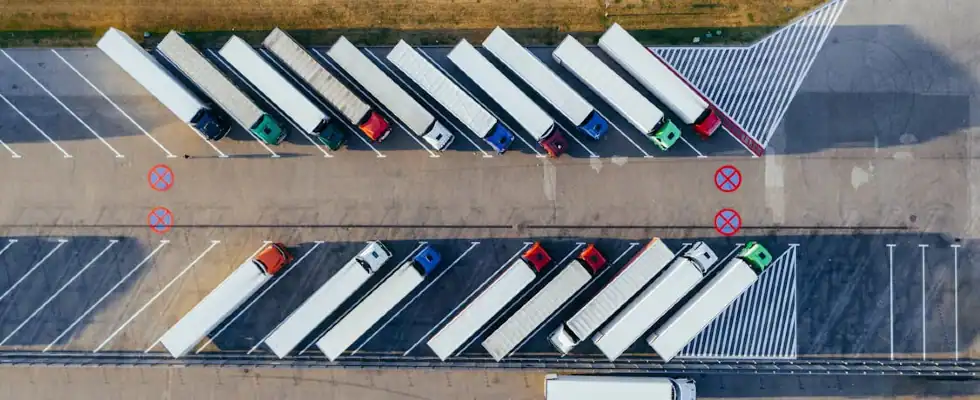
Prepping your fleet involves both proactive maintenance and operational strategies to ensure vehicles remain safe, reliable, and efficient throughout the season.
Pre-Winter Checklists
Creating a pre-winter checklist is essential for fleet managers. Include tire pressure monitoring, brake inspections, oil and fluid checks, battery tests, and replacement of air filters or fuel filters. Ensuring that these tasks are completed before temperatures drop reduces the risk of unexpected breakdowns.
Monitoring Vehicle Performance
Using fleet management software, fleet managers can monitor fuel economy, vehicle diagnostics, and driver performance. Tracking maintenance intervals and scheduling oil changes, fluid checks, and tire replacements prevents minor issues from escalating into costly repairs.
Driver Comfort and Safety
Cold weather can affect driver comfort and alertness. Checking heating systems, air conditioning, and cabin comfort ensures drivers remain focused on road safety. Encouraging drivers to report minor issues early allows fleet managers to address problems proactively, minimizing downtime and enhancing road safety.
Seasonal Comparisons
Summer months pose different challenges, such as extreme heat, hot weather, air conditioning strain, and cooling system maintenance. Winter, however, introduces risks like fuel gelling, tire pressure drops, and icy road conditions. Understanding these seasonal differences allows fleet managers to implement appropriate preventive maintenance strategies year-round.
By following these tips, fleet managers can minimize downtime, protect fleet assets, and ensure vehicles remain operational and efficient throughout the winter months.
Making Winter Prep a Top Priority for Your Business
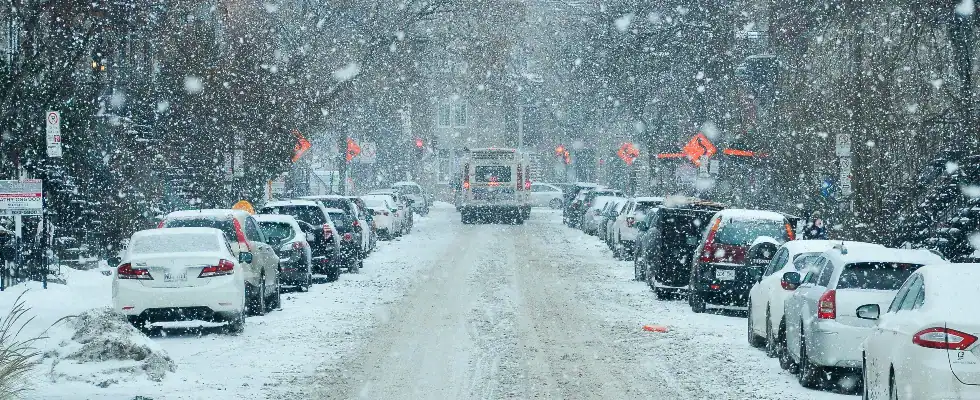
For business owners, keeping their fleet safe and operational is a top priority. Proactive preparation, rather than reactive fixing, saves money, preserves vehicle performance, and supports driver comfort. Winter prep is not a one-time task but an ongoing commitment to fleet maintenance, driver education, and emergency preparedness.
A proactive approach includes leveraging fleet management software, providing comprehensive training, and maintaining a routine maintenance schedule. Fleet vehicles that receive regular inspections, fluid checks, tire monitoring, and fuel system maintenance are less likely to experience unexpected breakdowns, costly repairs, or major operational disruptions.
Scheduling a maintenance review now, integrating fleet detailing services, and educating drivers on winter safety measures ensures your fleet remains well prepared for whatever the season brings.
Your Fleet’s Winter Readiness Starts Now

Prepping your fleet for an OKC winter requires foresight, planning, and consistent execution. From preventive maintenance to fleet management software, driver education, and emergency preparedness, every step contributes to minimizing downtime, avoiding costly repairs, and keeping your fleet running smoothly. By taking a proactive approach, business owners and fleet managers can ensure that their vehicles are safe, efficient, and ready to handle winter challenges with confidence.
Keep your fleet safe, efficient, and ready to perform through the winter months—your vehicles, drivers, and business operations will thank you.
Prepare your fleet for winter. Contact ShinePro today for professional fleet care and detailing solutions that help protect your vehicles and keep your operations running strong all season long.




