
Your fleet vehicles are rolling billboards. Every mile they travel, they either reinforce a strong impression of your business or quietly undermine it. A faded, peeling, or grimy wrap tells potential customers that your company does not sweat the details, and that is never the message you want to send. Proper fleet wrap maintenance is one of the most cost-effective ways to protect your brand, extend the life of your vehicle graphics, and avoid the expense of early rewraps.
At ShinePro, professional fleet appearance is more than just aesthetics. Clean, well-maintained wraps help businesses stand out, build customer trust, and create a polished image everywhere their vehicles go.
Whether you manage two vans or twenty trucks, this guide covers everything you need to keep your fleet wraps looking sharp, professional, and ready to represent your company on every road.
Why Fleet Wrap Maintenance Matters for Your Brand
Vehicle wraps are a significant investment. High-quality vinyl wraps applied by a professional installer can last five to seven years, but only if they receive the right care. Neglect them, and you may find yourself scheduling a rewrap in as little as two or three years, spending money that could have gone elsewhere.
Beyond cost savings, a well-maintained wrap communicates professionalism. Clean graphics with vibrant colors and crisp edges show customers that your company takes pride in how it presents itself. That consistency across your fleet builds brand recognition and trust over time. On the flip side, dirt buildup, weather damage, and peeling edges make your brand look careless, no matter how excellent your actual services are.
If your wrapped vehicles ever need glass attention, fleet vehicle glass repair in The Village, OK, is a trusted resource for keeping your fleet road-ready alongside your wrap maintenance routine.
Daily and Weekly Wrap Care: The Basics
Hand Washing Is the Gold Standard
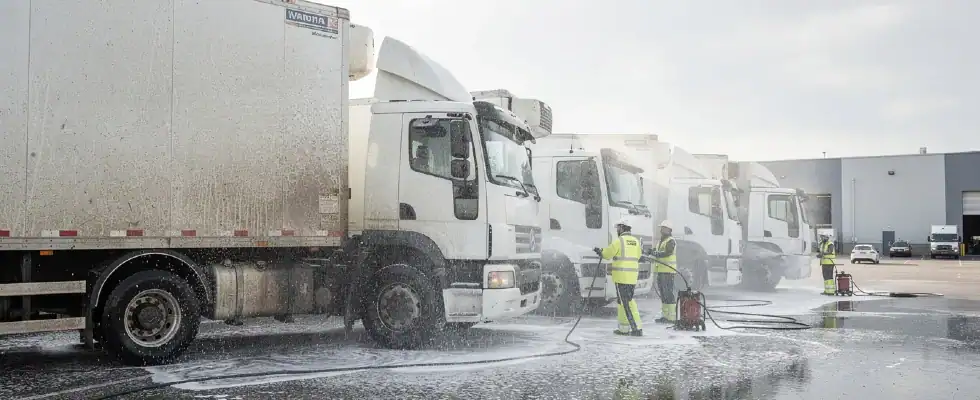
The single best thing you can do for your fleet wraps is commit to regular washing. Hand washing with clean water, a wrap safe cleaner, and a soft sponge or microfiber cloth is the safest method available. It removes road grime, bug splatter, bird droppings, and dirt particles before they have a chance to bond to the vinyl surface or degrade the graphics underneath.
Use warm, not hot, water. Water temperature matters more than most fleet managers realize. Excessively hot water can soften the adhesive backing of vinyl wraps and begin to lift edges over time. Stick to warm or cool water and a pH-neutral, wrap-safe cleaner to protect the material without stripping any protective coatings.
Work from the top of the vehicle downward, cleaning the roof, sides, and wheel wells in sequence. This prevents dirty water from dripping onto surfaces you have already cleaned. Rinse each section thoroughly with clean water before moving to the next.
Pressure Washing: Proceed With Caution
Pressure washing can be used on wrapped vehicles, but only with the right technique. If you use pressure washers as part of your fleet cleaning routine, keep the nozzle at least twelve inches away from the surface at all times. Use a low-pressure setting, ideally under 2,000 PSI, and hold the nozzle at a 45-degree angle rather than directing the stream straight at the vinyl. Never aim the spray directly at seams, door handles, or edges, as the force can get underneath the wrap and cause lifted edges or peeling.
Avoid pressure washing in cold temperatures. Sudden shifts between cold air and warm water can cause the vinyl to contract and crack, accelerating wear. Whenever possible, wash your fleet in shaded areas to prevent water spots and to keep the surface cool during cleaning.
Tackling Bird Droppings, Bug Splatter, and Tree Sap
These are the three biggest enemies of a clean wrap, and they all share one important trait: the longer they sit, the harder they are to remove and the more damage they do.
Bird droppings are acidic. Left on a wrap, they can etch into the vinyl and leave permanent marks. As soon as you notice them, soak the affected area with warm soapy water for a few minutes to loosen the residue, then gently wipe it away with a soft cloth or microfiber towel. Never scrub. Scrubbing with abrasive cleaners or rough materials will scratch the surface and dull the graphics.
Bug splatter and tree sap require similar care. Use a dedicated wrap safe cleaner or a small amount of isopropyl alcohol on a microfiber cloth and gently work the residue from the outside of the stain inward. Test any solvent on a small, inconspicuous section of the wrap first to make sure it does not affect the finish.
Monthly Maintenance: Protecting the Long-Term Investment
Inspecting Seams and Edges
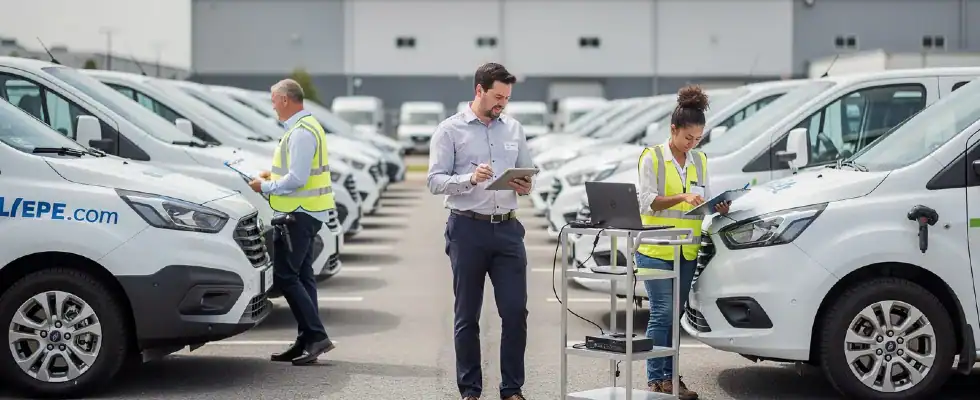
Once a month, walk around each wrapped vehicle and look closely at the seams and edges. Pay special attention to areas around door handles, mirrors, bumpers, and anywhere the vinyl wraps around a curve. These are the spots most vulnerable to peeling edges and lifting.
If you catch early signs of lifting before they spread, a professional can often reapply the edge with heat and adhesive, saving you from a much larger repair or a panel replacement. The moment you notice an edge beginning to peel, address it. Ignoring it allows moisture and dirt to work their way underneath, and what starts as a small lift can turn into a large section of the wrap separating from the vehicle surface.
Sun, Salt, and Weather Damage
UV rays are a slow and relentless threat to vinyl wraps. Prolonged sun exposure causes colors to fade and material to become brittle over time. Whenever possible, park your fleet vehicles in shaded areas or indoors overnight. For fleets operating in sunny climates, this single habit can add a year or more to the life of your wraps.
Salt is another serious concern for fleets that operate in coastal areas or in regions where roads are treated during winter. Salt accelerates wear on both the wrap and the vehicle body underneath. Increase your wash frequency during winter months and after driving on salted roads to rinse off any corrosive residue before it can do lasting damage. Cool water rinses immediately after salt exposure can make a meaningful difference.
Fuel spills are easy to overlook during refueling, but they can degrade vinyl quickly. If fuel contacts the wrap, wipe it off immediately with a clean microfiber cloth and rinse the area with clean water. Do not let fuel spills sit.
What to Avoid: Protecting the Vinyl Surface
Harsh chemicals are one of the fastest ways to ruin a quality wrap. Steer clear of solvent-based cleaners, engine degreasers, oven cleaners, and anything with a high pH. These strip protective layers and can cause the vinyl to discolor, crack, or peel ahead of schedule.
Do not wax your wrapped vehicles with traditional car wax or apply polish to the graphics. Standard waxes leave a residue in the texture of the vinyl that is difficult to remove and can cause discoloration over time. If you want to add a layer of protection, use a product specifically designed as wrap safe and confirm it is compatible with your wrap material before applying it across your fleet.
Avoid abrasive cleaners and rough scrubbing tools of any kind. Even a slightly coarse sponge can create fine scratches that dull the surface and reduce the overall vibrancy of your graphics. A soft sponge, a microfiber towel, and a microfiber cloth are the only tools you need for routine cleaning.
Drying and Finishing After a Wash
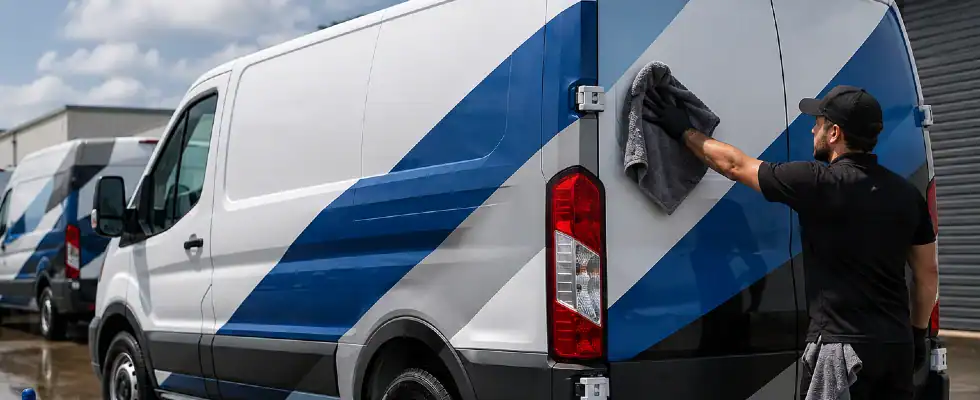
After rinsing, dry your wrapped vehicles promptly to avoid water spots. Air drying in direct sunlight can leave mineral deposits on the surface as the water evaporates, which dulls the finish. Instead, use a clean microfiber cloth to gently blot or wipe the surface dry. Work in sections and avoid water spots by moving efficiently from panel to panel.
For best results, dry your fleet vehicles in shaded areas where the surface stays cool. This small step to prevent water spots goes a long way toward keeping your graphics looking vibrant between professional detail sessions.
When to Call in the Professionals
Routine cleaning and monthly inspections are tasks any fleet manager or driver can handle, but there are situations that call for professional wrap maintenance. If a section of your wrap has sustained significant weather damage, if a large area is peeling, or if you notice extensive fading that regular washing cannot address, a professional detailer with wrap experience can assess whether a repair, panel replacement, or full rewrap is the right path forward.
Scheduling a professional wrap inspection once or twice a year is a smart investment for any fleet. A trained eye will spot early signs of trouble that are easy to miss during routine walkthroughs, and early intervention almost always costs less than waiting until the damage is severe.
Building a Wrap Maintenance Culture Across Your Fleet
The best maintenance routine in the world only works if your drivers follow it. Take time to walk your team through proper wash procedures, what to steer clear of, and how to report early signs of damage. A quick training session and a simple printed checklist can make a genuine difference in how your fleet looks over time.
Remind drivers to report bird droppings, fuel spills, deep scratches, or lifted edges as soon as they notice them rather than waiting for a scheduled inspection. Quick reporting gives you the chance to address problems before they grow, and it reinforces a company culture that values the professional appearance of your vehicles.
Keeping Your Fleet Wraps Looking Their Best
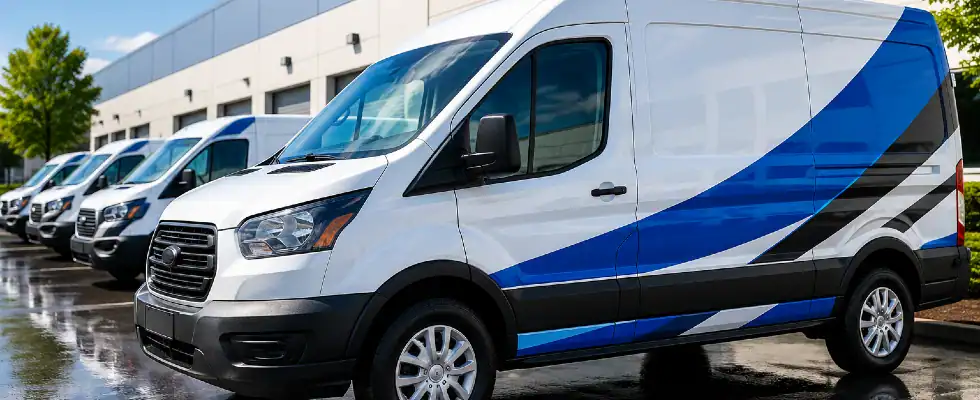
Fleet wrap maintenance does not need to be complicated, but it does need to be consistent. Regular washing, gentle products, prompt attention to stains and edge lifting, and smart parking habits go a long way toward extending the life of your graphics and keeping your brand looking its best on the road. Protecting your investment in vehicle wraps is protecting your investment in your brand, and that is worth every bit of effort it takes to maintain.
When your wrapped vehicle also needs glass attention, remember that fleet vehicle glass repair in The Village, OK, is available to handle any windshield or glass concerns that come up alongside your regular wrap maintenance routine. Keeping every part of your fleet in top shape ensures your team stays safe and your brand stays strong.
If you want your fleet to maintain a clean, polished, and professional appearance year-round, trust the experts at ShinePro. From professional detailing to fleet care solutions, ShinePro helps businesses keep their vehicles looking road-ready and brand-ready every day.




