Pressure washing is a crucial part of maintaining the appearance and longevity of various surfaces around your home or business. While traditional pressure washing can be highly effective, it may not always be the best choice for all materials, especially more delicate surfaces. This is where soft wash pressure washing comes into play.
In this comprehensive guide, we’ll explore what soft wash pressure washing is, its benefits, and how it differs from traditional power washing methods. We’ll also provide you with tips and best practices to ensure your pressure washing projects are successful and safe.
Related Article: How Long After Pressure Washing Can You Stain?
Understanding Soft Wash Pressure Washing
Soft wash pressure washing is a cleaning method that makes use of low-pressure water and specialized cleaning solutions to remove dirt, mildew, mold, and other contaminants from objects and surfaces. Unlike traditional pressure washing which relies on high pressure to clean surfaces, soft washing is known for gently cleaning without causing damage. That said, it’s ideal for cleaning more delicate surfaces such as wood siding, shingles, and painted surfaces.
How Does Soft Washing Work?
Soft washing involves using a pressure washer set to a low-pressure setting, typically under 500 PSI. The cleaning solutions used in soft washing are designed to break down dirt and grime, making it easy to rinse away with the low-pressure water stream. These solutions often contain biodegradable chemicals that are safe for the environment, plants, and pets.
Benefits of Soft Wash Pressure Washing

There are several advantages to using soft wash pressure washing over traditional high-pressure methods, particularly for certain surfaces. Here are some of the key benefits:
1. Prevents Damage to Surfaces
High-pressure washing can sometimes cause damage to delicate surfaces, such as wood siding, shingles, and painted surfaces. Soft washing, with its gentle approach, helps prevent such damage while still effectively cleaning the surface.
2. Longer-Lasting Clean
The cleaning solutions used in soft washing are more effective at breaking down and removing contaminants, leading to a longer-lasting clean. This means you won’t need to clean your surfaces as frequently.
3. Safe for the Environment
Soft wash cleaning solutions are often biodegradable and environmentally friendly. They break down naturally and won’t harm your plants or pets, making them a safer choice for your home and the environment.
4. Versatile Cleaning Method
Soft washing can be used to clean many different surfaces such as roofs, siding, wood decks, and even outdoor furniture. This versatility makes it a valuable tool for maintaining the cleanliness and appearance of your property.
Traditional Pressure Washing vs. Soft Wash Pressure Washing

While both traditional pressure washing and soft wash pressure washing aim to clean surfaces, they differ significantly in their methods and applications.
Pressure Washing
Pressure washing uses high-pressure water to clean surfaces. It is highly effective for hard surfaces like concrete, brick, and metal but can be too harsh for more delicate materials.
Soft Wash Pressure Washing
Soft washing, on the other hand, uses low-pressure water combined with cleaning solutions. It is ideal for cleaning more delicate surfaces without causing damage and provides a longer-lasting clean due to the effectiveness of the cleaning solutions used.
Key Applications of Soft Wash Pressure Washing
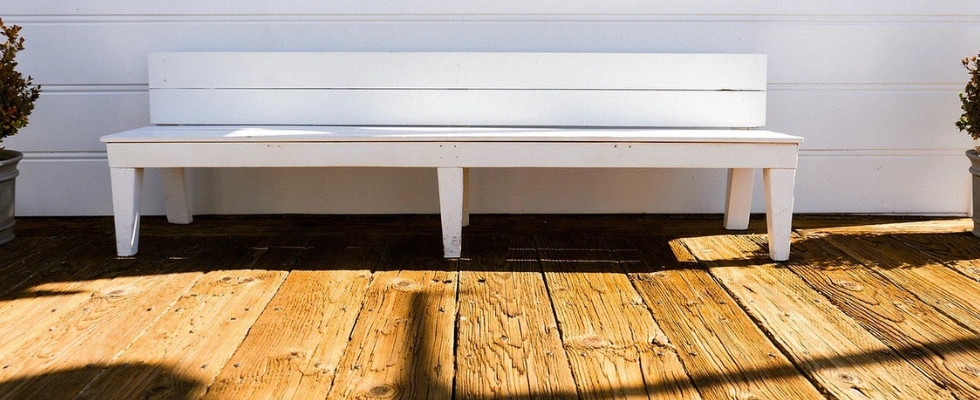
Soft wash pressure washing can be used for various applications around your home or business. Here are some common uses:
1. Roof Cleaning
Roofs, especially those made of shingles or tiles, can benefit greatly from soft washing. High-pressure washing can damage roofing materials and lead to costly repairs. Soft washing gently removes algae, mold, and other contaminants, extending the life of your roof.
2. Wood Decks and Fences
Wooden deck surfaces, such as decks and fences, are prone to damage from high-pressure washing. Ensuring the deck surface is completely dry before applying any sealant is crucial for proper adhesion and a lasting finish. Soft washing effectively cleans these surfaces without causing splintering or erosion, preserving the wood’s integrity and appearance.
3. Siding and Exterior Walls
Soft washing is ideal for cleaning siding and exterior walls made of materials like vinyl, wood, and stucco. The low-pressure method prevents damage and ensures a thorough cleaning.
4. Outdoor Furniture
Soft wash pressure washing can also be used to clean outdoor furniture, removing dirt and stains without causing damage to the materials.
How to Soft Wash Pressure Wash Your Deck

One of the most common applications of power wash pressure washing is cleaning a wood deck. It’s best to ensure the deck is thoroughly pressure washed or power washed to remove all dirt and old coatings for optimal staining results.
Here’s a step-by-step guide to help you get started:
Step 1: Prepare Your Deck
Before you begin, remove any furniture, plants, and other items from your deck. Sweep away loose dirt and debris.
Step 2: Apply Deck Cleaner
Using a garden hose or a low-pressure sprayer, apply a deck cleaner to the surface. Deck cleaners are designed to break down dirt and grime, making it easier to rinse away.
Step 3: Soft Wash the Deck
Set your pressure washer to a low-pressure setting and attach a wide-angle nozzle. Begin washing your deck, starting from one end and working your way to the other. Keep the nozzle moving to avoid applying too much pressure in one spot.
Step 4: Rinse Thoroughly
After cleaning the entire deck, go ahead and thoroughly rinse it with clean water. This removes any remaining cleaning solution.
Step 5: Let the Deck Dry
Allow your deck to dry completely before applying any stain or sealant. Using moisture meters can help you determine if the wood is dry enough for staining.
How Long to Let Wood Dry After Pressure Washing
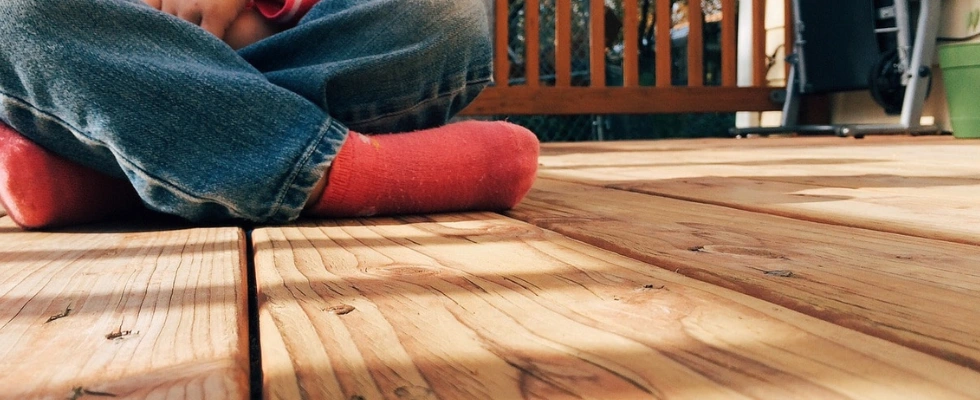
One of the most critical aspects of maintaining your wood deck is ensuring it dries completely after pressure washing your deck before applying any stain or sealant. Staining a wet deck can lead to an uneven finish and poor adhesion. The drying time can vary depending on several factors, including weather conditions, humidity levels, and the type of wood.
General Drying Time
In general, it’s recommended to let your wood deck dry for at least 48 hours after pressure washing. However, in humid or rainy conditions, it may take longer for the wood to dry completely.
Using a Moisture Meter
To ensure your deck is ready for staining, use a moisture meter to check the wood’s moisture content. Ideally, the moisture content should be below 15% before you begin applying stain or sealant.
Factors Affecting Drying Time
Several factors can affect how long it takes for your deck to dry after pressure washing:
- Weather Conditions: Dry, sunny weather will help your deck dry faster, while high humidity and rain will extend the drying time.
- Wood Type: Different types of wood absorb and release moisture at different rates. For example, pressure-treated wood may take longer to dry than cedar or redwood.
- Shade and Airflow: Decks in shaded areas or with limited airflow may take longer to dry than those in direct sunlight with good air circulation.
Checking for Dryness
To check if your deck is dry, press a piece of plastic or a rubber mat against the wood. If moisture forms on the underside of the plastic or mat, the deck is not yet dry and needs more time.
The Importance of Proper Drying Before Staining

Properly drying your deck before applying deck stain or sealant is crucial for ensuring the best results. Applying stain to wet or damp wood can lead to several issues, including:
1. Poor Adhesion
Wet wood can prevent the stain from properly adhering to the surface, leading to uneven coverage and a less durable finish.
2. Blotchy Appearance
Staining wet wood can result in a blotchy, uneven appearance as the stain struggles to penetrate the surface uniformly.
3. Reduced Durability
Stain applied to wet wood is more likely to peel, crack, and wear away quickly, reducing the overall durability of the finish.
Tips for Effective Deck Staining

Once your deck is completely dry, it’s time to apply the stain. Here are some tips to ensure a smooth and long-lasting finish:
Remember: You should not stain your deck immediately after a rainstorm or pressure washing; always ensure it is completely dry.
Choose the Right Stain
Selecting the right type of stain for your deck is essential. There are various options available, including semi-transparent stains, which provide a natural look while protecting the wood from moisture and UV damage.
Follow the Manufacturer’s Instructions
Always follow the manufacturer’s instructions when applying stain. This includes guidelines on application techniques, drying times, and the number of coats required.
Apply Multiple Coats
For the best results, apply multiple coats of stain, allowing each coat to dry completely before applying the next. This helps ensure even coverage and maximum protection.
Work in Sections
Divide your deck into manageable sections and work on one section at a time. This helps prevent the stain from drying too quickly and allows for more even application.
Avoid Direct Sunlight
Try to apply the stain in the morning or late afternoon when the deck is not in direct sunlight. Direct sunlight can make the stain dry too quickly, which can lead to uneven coverage and a less durable finish.
Maintaining Your Deck After Staining
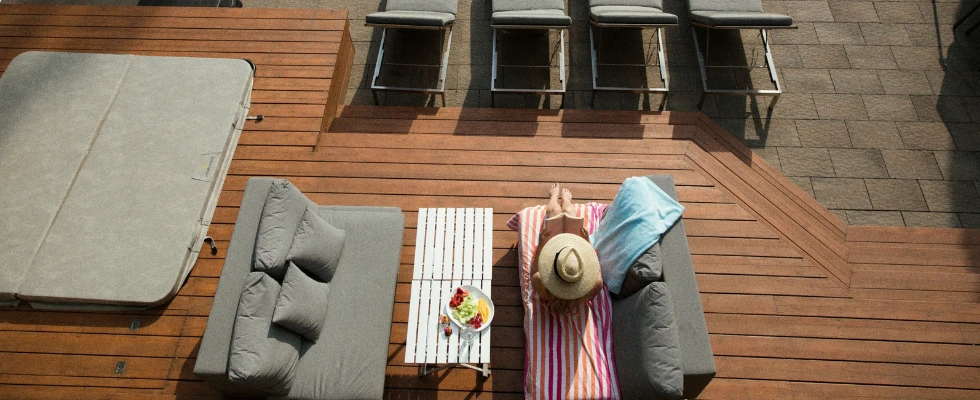
Proper maintenance is essential for keeping your deck looking its best and ensuring the longevity of the stain. Here are some tips for maintaining your deck:
Regular Cleaning
Regularly clean your deck to remove dirt, debris, and stains. Use a deck cleaner and a soft brush to scrub the surface, and rinse thoroughly with a garden hose.
Inspect for Damage
Periodically inspect your deck for signs of damage, such as cracks, splinters, and loose boards. Repair any issues promptly to prevent further damage and maintain the integrity of the wood.
Reapply Stain as Needed
Depending on the type of stain used and the weather conditions in your area, you may need to reapply the stain every 1-3 years to maintain the protective finish.
Why Choose ShinePro for Your Soft Wash Pressure Washing Needs
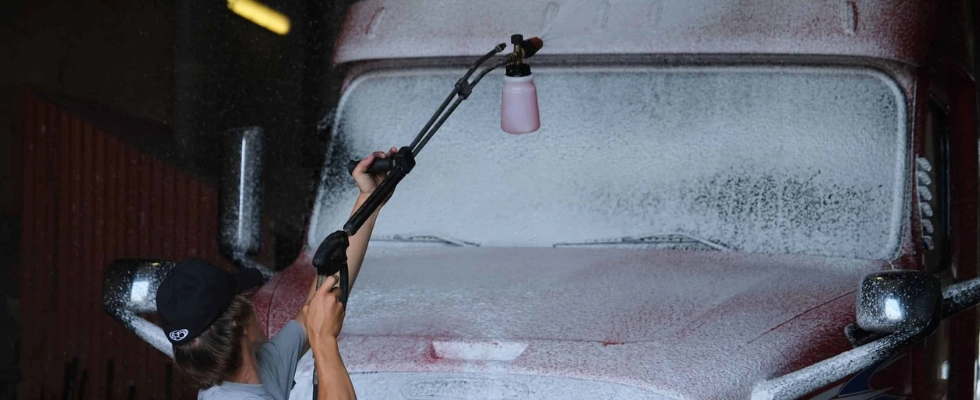
At ShinePro, we are the professionals you can trust for all your soft wash pressure washing needs. As the top-rated service provider in Oklahoma City, we offer premier glass solutions and detailing services designed to keep your vehicles and property looking their best.
Expertise and Experience
Our team of experienced professionals is trained in the latest soft wash pressure washing techniques and uses state-of-the-art equipment to ensure the best results. We understand the unique needs of different surfaces and tailor our approach to provide effective and safe cleaning.
Eco-Friendly Solutions
We prioritize the use of eco-friendly cleaning solutions that are safe for the environment, your plants, and your pets. Our biodegradable chemicals effectively remove dirt and grime without harming the surrounding ecosystem.
Comprehensive Services
In addition to soft wash pressure washing, we offer a wide range of services to keep your property in top condition, including window cleaning, vehicle detailing, and more. Our comprehensive approach ensures that all your cleaning needs are met with the highest level of professionalism and care.
Customer Satisfaction
At ShinePro, customer satisfaction is our top priority. We strive to exceed your expectations with every service, providing thorough and reliable cleaning that enhances the appearance and longevity of your property.
FAQs About Soft Wash Pressure Washing
What is soft wash pressure washing?
Soft wash pressure washing is a cleaning method that makes use of low-pressure water and specialized cleaning solutions to remove dirt, mildew, mold, and other contaminants from objects and surfaces. It is gentler than traditional high-pressure washing, making it ideal for delicate surfaces like roofs, wood decks, and siding.
How does soft wash pressure washing differ from traditional pressure washing?
The primary difference between soft wash and traditional pressure washing is the pressure used. Soft wash uses low pressure and relies more on cleaning solutions to break down contaminants, while traditional pressure washing uses high pressure to blast away dirt. This makes soft washing safer for surfaces that can be damaged by high pressure.
Is soft wash pressure washing safe for all surfaces?
Yes, soft wash pressure washing is safe for a wide range of surfaces, including roofs, wood decks, siding, and outdoor furniture. Its gentle approach ensures that surfaces are not damaged during the cleaning process.
How long should I let wood dry after pressure washing?
Pressure washed wood should be allowed to dry completely before any further treatment, such as staining or sealing. Depending on the weather conditions, this can take 24 to 48 hours. Using a moisture meter can help determine when the wood is adequately dry.
Can I use soft wash pressure washing on my deck?
Absolutely! Soft wash pressure washing is ideal for cleaning wood decks. It effectively removes dirt, mold, and mildew without damaging the wood. Ensure the deck dries completely before applying any stain or sealant.
What cleaning solutions are used in soft wash pressure washing?
The cleaning solutions used in soft wash pressure washing are typically biodegradable and eco-friendly. They are designed to break down contaminants without harming plants, pets, or the environment.
How often should I have my roof soft washed?
Roofs should be soft washed every 2 to 3 years, depending on the climate and the amount of debris and organic growth. Regular cleaning helps maintain the roof’s appearance and extends its lifespan.
Can I perform soft wash pressure washing myself?
While it is possible to perform soft wash pressure washing yourself, it is recommended to hire professionals like ShinePro. Professional services ensure the correct cleaning solutions and techniques are used, providing the best results without the risk of damage.
Final Thoughts
Soft wash pressure washing is a versatile and effective method for cleaning a variety of surfaces around your home or business. By using low-pressure water combined with specialized cleaning solutions, soft washing prevents damage, provides a longer-lasting clean, and is safe for the environment. Whether you’re cleaning your roof, wood deck, siding, or outdoor furniture, soft washing offers numerous benefits over traditional high-pressure methods.
At ShinePro, we are committed to providing premier soft wash pressure washing services that deliver exceptional results.
Contact us today to learn more about how we can help you maintain the cleanliness and beauty of your property!