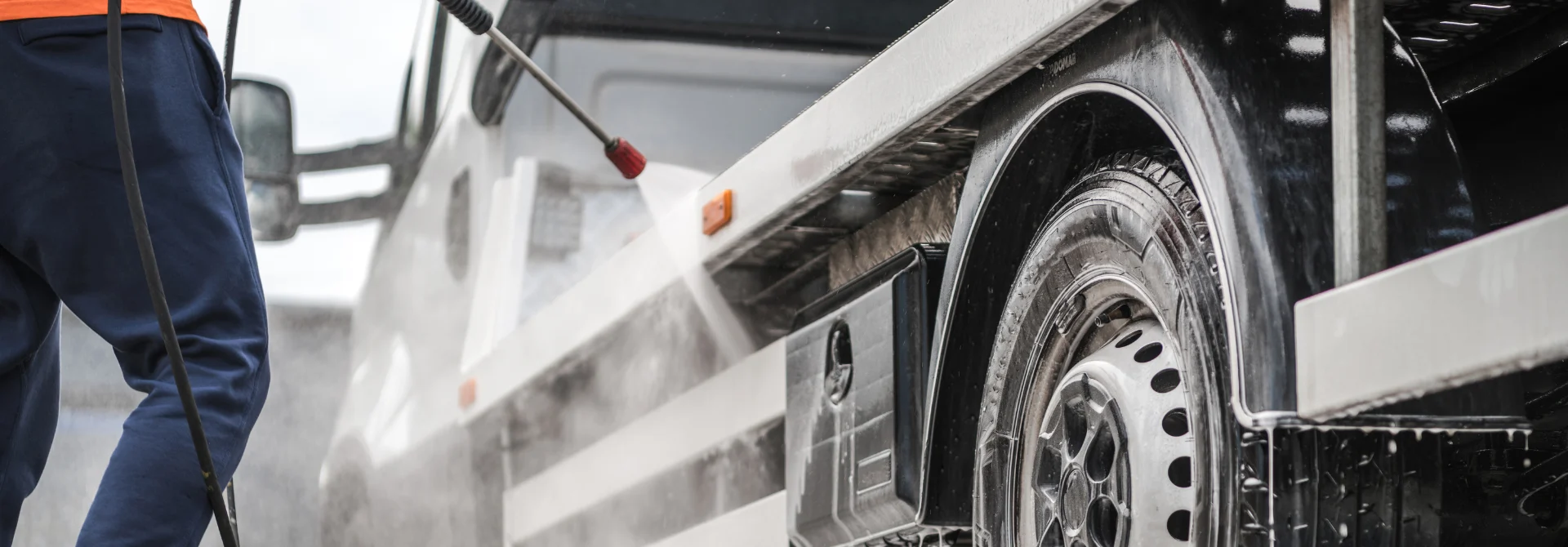
When winter weather descends upon Oklahoma City, the landscape transforms into a challenging environment for truck drivers. While OKC winters may not be as severe as those in northern states, the unpredictable nature of freezing rain, sudden temperature drops, and icy patches make truck driving in snow a serious concern.
At ShinePro, we understand the unique challenges professional drivers face in these conditions and offer solutions and guidance to help keep trucks safe and road-ready throughout the winter season.
Why Safe Truck Driving in Snow Matters
Winter driving presents unique hazards that every professional driver must respect. The combination of packed snow, black ice, and freezing temps creates conditions where even experienced truck drivers can lose traction in seconds. Unlike passenger vehicles, large trucks require significantly greater stopping distance on slippery surfaces, making winter conditions exponentially more dangerous for big rig operators.
The consequences of underestimating winter weather can be devastating. When trucks lose control on icy roads, the results often involve multiple vehicles, extended road closures, and serious injuries. Understanding essential winter driving tips isn’t just about protecting your cargo—it’s about ensuring you return home safely to your family after every haul through the winter season.
At ShinePro Services, we understand that proper vehicle maintenance plays a crucial role in winter safety. Our comprehensive services, from windshield replacement to thorough detailing, help ensure your truck is prepared to tackle snow and ice safely throughout the coldest months.
Preparing Your Truck for Snowy Conditions
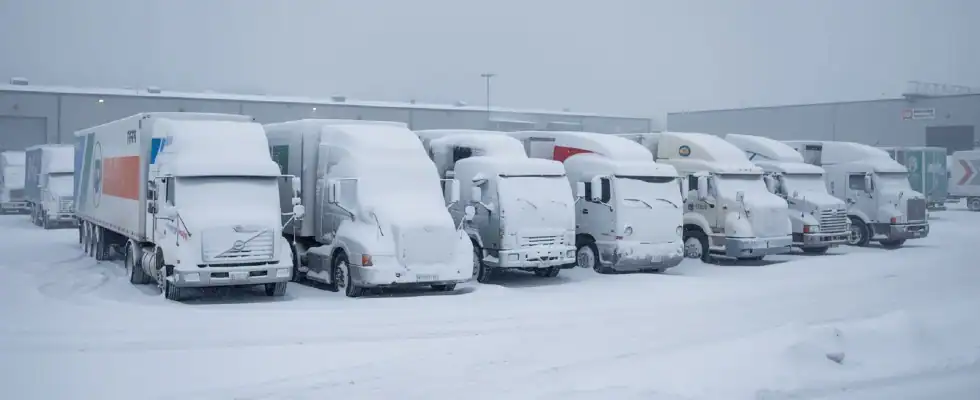
Before you ever hit winter roads, your semi truck needs a complete winterization process. This preparation begins weeks before the first snowflake falls and continues throughout the entire winter season.
Thorough Pre-Trip Inspection
A thorough pre-trip inspection takes on even greater importance during cold weather months. Your standard pre-trip should be expanded to include winter-specific checkpoints that could mean the difference between a safe journey and a roadside emergency.
Start by examining your tire pressure carefully. Cold temperatures cause air to contract, which can reduce tire pressure by several PSI. Low tire pressure on drive wheels reduces traction precisely when you need it most. Check all tires, including spares, and inflate them to manufacturer specifications adjusted for freezing temps.
Your brake lights, turn signals, and all exterior lighting must be working properly. Reduced visibility during snow storms means other drivers depend heavily on seeing your truck clearly. Clean all lenses thoroughly—accumulated road salt and grime can significantly diminish light output.
Don’t overlook your fuel filters during your pre-trip. Diesel fuel can gel in extremely cold weather, potentially leaving you stranded. Consider using winter-blend diesel and fuel additives designed for cold weather conditions.
Essential Equipment for Winter Trucking
Equipping your truck with proper winter gear can transform a potential crisis into a manageable situation. Your emergency kit should include warm blankets, extra batteries, hand warmers, and non-perishable food supplies. If you become stranded during a snow storm, these supplies could sustain you until help arrives.
Ice cleats are essential for maintaining traction when you need to exit your cab on icy surfaces. Many drivers underestimate how treacherous parking lots and truck stop walkways become after freezing rain coats everything in ice. A simple slip can result in serious injury far from home.
Winter boots with proper insulation and grip should be standard issue for anyone truck driving in snow. Your regular work boots may be inadequate for navigating snow covered roads and slick surfaces around loading docks.
Tire chains are non-negotiable equipment in certain mountain passes and winter weather corridors. Know how to throw chains quickly and safely before you actually need them in emergency conditions. Practice in your yard or an empty parking lot so you’re not learning this critical skill on the shoulder of a highway during a blizzard.
Your windshield wipers and ice scraper deserve special attention. Replace wiper blades before winter if they show any signs of wear. Keep washer fluid reservoirs filled with winter-grade fluid that won’t freeze, and carry spare washer fluid in your cab. An ice scraper and snow brush should be within easy reach at all times.
For those seeking professional preparation assistance, searching for “semi truck detailing near me” can connect you with services like ShinePro that specialize in comprehensive fleet maintenance, including winter preparation packages that ensure every critical component is ready for harsh conditions.
Winter Truck Driving Techniques for Snow and Ice
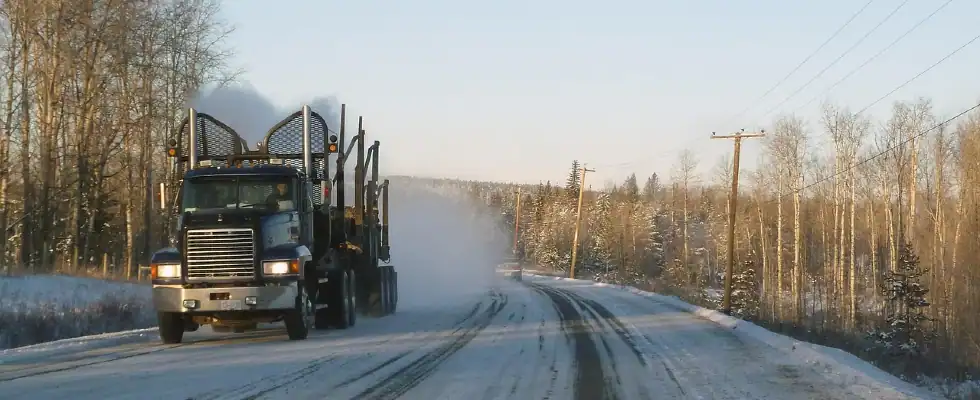
Once your truck is properly equipped, mastering winter driving techniques becomes your next priority. The fundamental principles of safe driving must be adapted significantly when tackling snow and ice.
Speed and Control
Maintaining a safe speed is the single most important factor in winter driving. Posted speed limits are designed for ideal conditions—when roads are covered in packed snow or black ice, safe speed may be 30-40 mph below the posted limit. There’s no shame in driving slowly when conditions demand it.
Gradual acceleration prevents your drive wheels from spinning and losing traction. Imagine an egg between your foot and the accelerator—apply just enough pressure to move forward without breaking the shell. This same gentle approach applies to every input: steering, braking, and throttle adjustments should all be smooth and deliberate.
Never use cruise control on potentially slippery conditions. Cruise control systems can’t react appropriately when wheels begin to slip, potentially causing you to lose control entirely. Keep your feet engaged and ready to respond instantly to changing road conditions.
Braking and Steering
Understanding how to brake safely on snow and ice could save your life. Avoid sudden braking at all costs—this is the fastest way to initiate a jackknife or full loss of control. Instead, begin slowing much earlier than normal, allowing an extended stopping distance that may be 3-4 times longer than on dry pavement.
Your engine brake becomes even more valuable during winter conditions. Using engine braking allows you to slow down without applying wheel brakes, reducing the risk of wheels locking up on icy patches. However, be cautious with engine brake usage on extremely slippery surfaces, as it can still cause drive wheels to lose traction.
If you do begin to skid, resist the urge to overcorrect. Gently counter-steer in the direction you want the truck to go while easing off the accelerator. Hard braking during a skid will only make the situation worse. Professional drivers practice this response mentally so it becomes automatic during actual emergencies.
Climbing and Descending Hills
Hills present special challenges when winter weather strikes. When approaching an incline covered in snow, build momentum gradually before you reach the base of the hill. Once you’re climbing, maintain steady throttle—don’t accelerate aggressively partway up, as this can cause your drive wheels to spin and lose traction.
If you do lose momentum on a hill, don’t continue spinning your wheels hoping to power through. You’ll only polish the ice beneath your tires. Instead, back down carefully and try a different route or wait for conditions to improve.
Descending snow covered roads requires equal caution. Use lower gears and engine brake to control your speed rather than relying on service brakes. This approach provides more consistent control and prevents brake fade that can occur from excessive brake use on long downgrades.
Visibility and Weather Awareness

Clear visibility is absolutely essential for safe driving during the winter season. However, winter weather conspires to limit your vision through multiple mechanisms.
Maintaining Clear Vision
Your windshield is your window to spotting potential hazards early. Keep windshield wipers in perfect condition and use them proactively—don’t wait until you can barely see to turn them on. Clear snow and ice completely from all windows, mirrors, and lights before moving your truck. Driving with a small peephole cleared in your windshield is dangerous and illegal.
Spray coming from other vehicles significantly reduces visibility on wet or slushy roads. Increase your following distance to minimize how much spray you’re driving through, and stay alert for sudden visibility reductions when passing or being passed by other large trucks.
Black ice is particularly treacherous because it’s nearly invisible. Watch for subtle clues: roads that appear wet but other drivers seem to be moving unusually slowly, sections of highway on bridges or overpasses (which freeze first), and areas shaded from sun that may not have thawed like surrounding roadway.
Using Technology and Weather Updates
Modern truck drivers have access to real-time weather information that previous generations never enjoyed. Use this technology proactively. Monitor weather alerts for your route and don’t hesitate to pull into a truck stop if conditions are deteriorating beyond safe driving limits.
Many fleet management systems now include road condition information and can help you plan routes that avoid the worst weather. Trust this information and adjust your plans accordingly. Arriving late is always preferable to not arriving at all.
Watch other drivers for clues about road conditions ahead. If you notice vehicles ahead moving erratically or slowing dramatically, there’s likely ice or another hazard you haven’t encountered yet. This advance warning allows you to reduce speed and increase your safe distance before you reach the problem area.
Emergency Preparedness and Safety Tips

Despite your best preparation and careful driving, emergencies can still occur during winter conditions. How you respond determines whether an incident becomes a minor inconvenience or a life-threatening situation.
Emergency Kit Essentials
Every commercial truck operating in winter weather should carry a comprehensive emergency kit. Beyond the warm blankets, food, and water already mentioned, include a working flashlight with extra batteries, reflective triangles, a first aid kit, and a charged cell phone or CB radio for communication.
A spare set of gloves, socks, and cold weather gear can make a tremendous difference if you’re forced to work outside your truck during freezing temps. Wet clothing in cold conditions quickly becomes dangerous, so having dry backup clothing is essential.
Chemical hand warmers provide quick heat and can even help warm up diesel fuel or thaw frozen locks in emergency situations. They’re inexpensive, lightweight, and can be genuine lifesavers when you’re stuck in cold weather.
Handling Emergencies on the Road
If you begin to lose control despite your best efforts, focus on maintaining control of the steering wheel and avoiding sudden inputs that could worsen the skid. Look where you want to go, not at obstacles you want to avoid—your truck tends to follow your eye line.
Should you become stuck in snow, resist the urge to aggressively rock the truck back and forth. This often just digs you in deeper. Instead, try moving forward slowly in your highest gear to reduce wheel spin. Tire chains, if you have them available, can provide the extra traction needed to escape.
If you must stop on the roadside during a snow storm, pull as far off the travel lanes as safely possible and activate all emergency flashers. Place reflective triangles well behind your truck to warn approaching traffic. Stay with your vehicle unless you can see a safe haven nearby—your truck provides shelter and makes you more visible to rescue crews than if you’re wandering in blizzard conditions.
Professional Maintenance: Your Winter Driving Partner
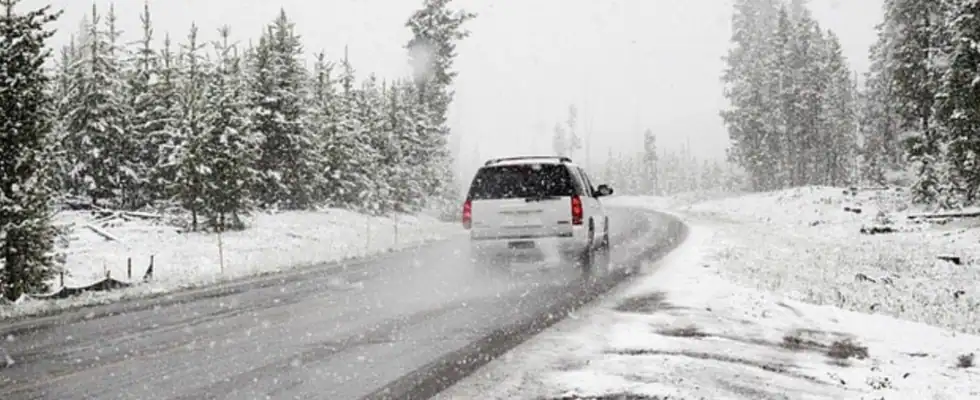
While driver skill and preparedness are crucial, professional vehicle maintenance provides the foundation for safe winter driving. Regular professional detailing isn’t just about appearance—it’s about ensuring critical safety systems function properly when you need them most.
At ShinePro Services, we specialize in comprehensive truck maintenance that keeps your fleet road-ready through Oklahoma City’s toughest winter weather. Our windshield repair and replacement services ensure optimal visibility, while our detailing services remove corrosive road salt that can damage your truck’s finish and critical components.
Our mobile service brings professional maintenance directly to your fleet location, minimizing downtime and keeping your operation running smoothly throughout the winter season. We understand that every hour your truck sits in a shop is an hour of lost revenue, which is why we’ve designed our services around your schedule and operational needs.
Stay Safe This Winter Season
Truck driving in snow demands respect, preparation, and constant vigilance. The combination of proper equipment, professional maintenance, safe driving techniques, and emergency preparedness creates layers of protection that can see you through even the worst winter conditions Oklahoma City delivers.
Remember that no load is worth risking your life. If conditions feel unsafe driving, find a safe place to park and wait for improvement. Professional truck drivers know that arriving alive is the only acceptable outcome.
As winter approaches, take time now to prepare your truck, update your emergency supplies, and refresh your knowledge of winter driving techniques. When the first snow storm arrives, you’ll feel safe driving knowing you’ve done everything possible to protect yourself and others sharing the road.
For professional maintenance and detailing services that keep your truck ready for winter’s challenges, contact ShinePro Services today. Let us help you stay safe on winter roads throughout the season.