If you run a work truck, you already know how much that vehicle carries on its shoulders every single day. Whether you’re hauling heavy loads, navigating stop-and-go traffic, or grinding through long haul routes, your diesel truck takes a beating. At ShinePro Services, we’ve built our reputation around helping fleet owners and truck operators keep their vehicles looking professional and performing at their absolute best. And one thing we’ve learned over the years is this: diesel truck maintenance is not optional. It’s the difference between a truck that earns you money and one that drains it.
This guide is going to walk you through everything you need to know about maintaining your diesel vehicle properly, with detailing tips that complement the mechanical side and keep your work truck in peak condition inside and out.
Why Diesel Engine Maintenance Is Different
Before we get into the checklist, it’s worth understanding why diesel engines require a different approach from gasoline engines. Diesel engines produce significantly more torque and operate under higher compression than gas engines, which is exactly why powerful trucks prefer them for towing and hauling. But that same power comes with added responsibility.
Most diesel engines run hotter, generate more soot, and place greater demands on critical systems like the fuel system, cooling system, and emissions sstems. Unlike spark plugs in gasoline engines, diesel engines rely on glow plugs and precise fuel delivery from fuel injectors to combust properly. That means neglecting even one area of your routine maintenance can set off a chain reaction of expensive repairs.
At ShinePro, we see the results of deferred maintenance every time a truck rolls into our yard looking like it’s been ignored for a season. Our job is to clean it up and help you build the habits that prevent that from happening in the first place.
The Diesel Engine Maintenance Checklist
Here is a practical diesel engine maintenance checklist to keep your truck running reliably and avoid costly breakdowns.

Engine Oil and Filter Changes
Engine oil is the lifeblood of your diesel engine. Diesel engines run under conditions that break down oil faster than most people realize. Sludge buildup and oil oxidation are two of the most common causes of premature engine wear, and both are completely preventable with regular oil changes.
Change engine oil and replace the oil filter on schedule, every time. Most diesel trucks call for an oil change between 5,000 and 7,500 miles under normal driving conditions, though heavy towing, cold weather operations, or extreme stop-and-go traffic may require more frequent service intervals. Running dirty or degraded engine oil accelerates wear on internal components and will eventually lead to major repairs that no one wants to deal with.
When we detail trucks at ShinePro, we always check under the hood. If we spot signs of leaks or sludge around the engine bay, we flag it for the owner immediately.
Fuel Filter Replacements and Fuel System Care
Diesel fuel is susceptible to water contamination and fuel contamination in ways that diesel truck operators must take seriously. Most diesel engines run two fuel filters, a primary and a secondary, and both need to be replaced on schedule. Clogged filters restrict fuel flow, choke engine performance, and can lead to injector damage over time.
The water separator, usually integrated into the primary fuel filter housing, must be drained regularly. Water in the fuel tank is one of the fastest ways to destroy clean fuel injectors and compromise fuel quality throughout your entire fuel system.
Fuel filter replacements are one of the most cost-effective forms of preventive maintenance you can invest in. Neglecting them will cost you far more when damaged fuel injectors or a compromised fuel system need full repair.
Air Filter and Intake System
Clean air is non-negotiable for diesel engine performance. A clogged air filter restricts airflow into the engine, directly reducing fuel efficiency and engine performance. Over time, a dirty intake system increases fuel consumption and can push contaminants into areas of the engine that cost a fortune to repair.
Replace your air filter based on manufacturer guidelines and inspect it more frequently if your truck operates in dusty environments, construction sites, or on unpaved roads. Prevent clogging by scheduling inspections before it becomes a performance issue.
Fuel Injectors
Clean fuel injectors are the foundation of efficient combustion in a diesel engine. When injectors are dirty or clogged, diesel fuel is not atomized properly, which leads to poor fuel economy, excess smoke, and rough running. Regular fuel system cleaning treatments can help maintain injector performance between major service intervals, but nothing replaces a proper full inspection and professional cleaning when symptoms arise.
Modern diesel trucks are equipped with sophisticated injector systems that are not forgiving when fuel quality drops or contamination enters the system. Protect them.
Cooling System Service

The cooling system in a diesel engine works harder than most truck owners appreciate. Diesel engines produce a tremendous amount of heat, and the radiator, coolant, hoses, and water pump all have to manage that heat load continuously. If coolant levels drop or the system develops a leak, the risk of overheating goes up fast.
Check coolant levels regularly as part of your routine maintenance. Coolant should be flushed and replaced according to your truck’s maintenance schedule, not whenever you remember. Contaminated or depleted coolant loses its ability to protect the engine and can lead to catastrophic overheating.
At ShinePro, when we do a full detail on a work truck, we take a look at the exterior cooling system components during our visual inspection. Stains, corrosion around hose fittings, and residue around the radiator cap are all warning signs that something is not right.
Transmission Fluid and Drivetrain Checks
Transmission fluid is another often-overlooked area of diesel truck maintenance. The transmission takes enormous stress in a vehicle used for heavy towing or long-haul work. Low or degraded transmission fluid leads to rough shifting, increased heat, and accelerated wear on transmission components.
Check transmission fluid levels regularly and replace them according to your maintenance schedule. Also inspect suspension components and drivetrain for unusual sounds, excessive play, or signs of wear. Catching these issues early during routine maintenance prevents them from turning into costly repairs down the road.
Diesel Exhaust Fluid and Emissions Systems
Modern diesel trucks equipped with selective catalytic reduction systems require diesel exhaust fluid to function properly and stay compliant with emissions regulations. Running low on diesel exhaust fluid can trigger warning lights, reduce engine performance, and in some systems, prevent the truck from starting altogether.
Keep your diesel exhaust fluid reservoir filled, monitor your emissions systems for check engine light alerts, and do not ignore warning lights on your dashboard. Those lights are your truck communicating with you, and ignoring them rarely ends well.
Signs Your Diesel Truck Needs Immediate Attention
You should never wait until something breaks to address it. Here are the warning signs that your diesel truck needs service now:
Loss of Power or Poor Fuel Economy: If your truck suddenly feels sluggish or you notice a drop in fuel efficiency, it usually points to clogged filters, dirty injectors, or a developing fuel system issue.
Excess Smoke: Black smoke signals incomplete combustion, often from clogged filters or injector problems. White smoke can point to coolant leaks or glow plug failure. Blue smoke suggests oil is burning in the combustion chamber.
Unusual Sounds or Vibration: Diesel engines are naturally louder than gasoline engines, but knocking, rattling, or new vibration patterns are not normal. Get a full inspection done.
Dashboard Warning Lights: A check engine light or other warning lights should never be dismissed. Modern diesel trucks have sophisticated diagnostic systems that flag problems before they become expensive.
Fluid Leaks: Spots under your truck are never a good sign. Identify what is leaking and address it immediately.
Diesel Truck Maintenance Schedule at a Glance

Staying on schedule is everything. Here is a simplified truck maintenance overview to help you stay organized:
Daily and Weekly: Check tire air pressure, inspect fluid levels, look for leaks, test lights, and do a quick visual inspection of the undercarriage.
Every 5,000 to 10,000 Miles: Change engine oil and oil filter, inspect air filter, drain the water separator.
Every 15,000 to 25,000 Miles: Fuel filter replacements, full fuel system check, inspect cooling system hoses and clamps.
Every 50,000+ Miles: Transmission fluid service, suspension components inspection, cooling system flush, injector cleaning, full drivetrain inspection.
Building and sticking to a maintenance schedule is the single most effective way to avoid unexpected breakdowns and reduce your total operating cost over time.
How Detailing Supports Diesel Truck Maintenance
Here is something a lot of work truck operators do not think about: professional detailing is not just about making your truck look good. It is a critical part of preventive maintenance.
At ShinePro Services, our detailing process includes a thorough visual inspection of every vehicle we work on. When our technicians are cleaning wheel wells, engine bays, and undercarriages, we spot corrosion, leaks, cracked hoses, damaged suspension components, and worn seals that owners often miss because they simply do not look closely enough.
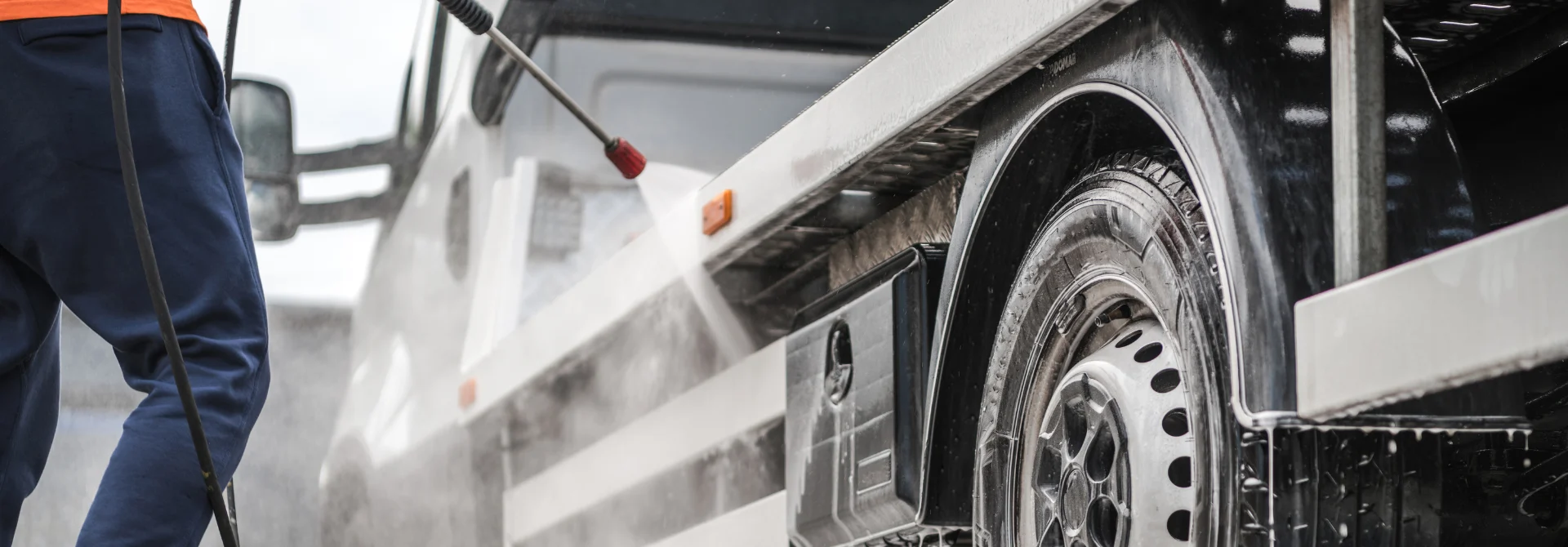
Our pressure washing services remove road grime, salt, mud, and buildup that accelerate corrosion on critical systems, especially on diesel trucks used in demanding environments. Our auto detailing packages keep the paint, seals, and protective coatings in top condition, which matters for resale value and long-term durability.
Regular detailing from ShinePro is not an extra luxury for a work truck. It is part of a complete, smart maintenance approach.
Let ShinePro Help Keep Your Work Truck Running and Looking Its Best
At ShinePro Services, we are proud to be the top-rated glass solutions and detailing provider in Oklahoma City. From windshield repair and replacement to comprehensive auto detailing and pressure washing, we offer mobile services that come directly to your fleet, minimizing your downtime and keeping your trucks on the road where they belong.
Whether you are managing a single diesel pickup or a full commercial fleet, our team of dedicated specialists is here to support you with expert care, transparent pricing, and service that goes beyond just cleaning. We are your partners in keeping your diesel vehicles running, performing, and looking professional every single day.
Contact ShinePro today to schedule your service and experience why Oklahoma City’s top fleet operators trust us with their most important assets.