
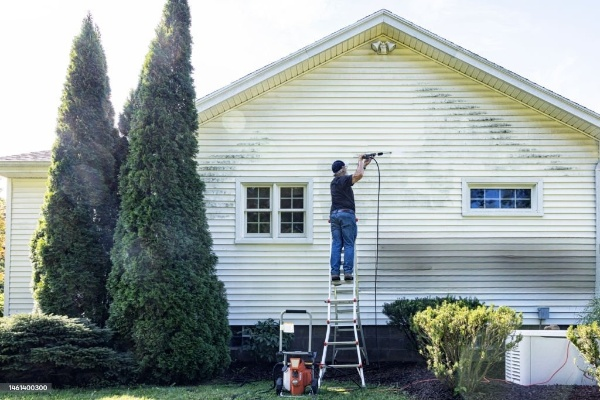
Ever dreamt of a fresh coat of paint transforming your house from drab to fab? A beautiful new exterior paint job can boost curb appeal and add value to your home. But before you grab your paintbrush and dive in, proper preparation is key to a long-lasting result.
One important step in prepping your home for painting is dealing with the old paint itself. Peeling, loose paint can wreak havoc on your new paint job, causing it to crack and blister prematurely. Here’s where pressure washing (power washing) comes in as a powerful ally. This cleaning method removes dirt, grime, and even loose paint flakes, leaving a clean slate for your new paint to adhere to.
Related Article: How to Dry a Rug After Pressure Washing
However, simply blasting your house with water isn’t enough. The big question remains: how long do you need to wait after pressure washing before you can start painting? In this blog post, we will answer this question and explore other key considerations for a successful exterior painting project. We’ll discuss drying times, paint compatibility, and additional tips to ensure your new paint job looks stunning and stays that way for years to come.
So, put down the paintbrush for now, and let’s explore the secrets to a flawless painted surface!
Understanding Pressure Washing
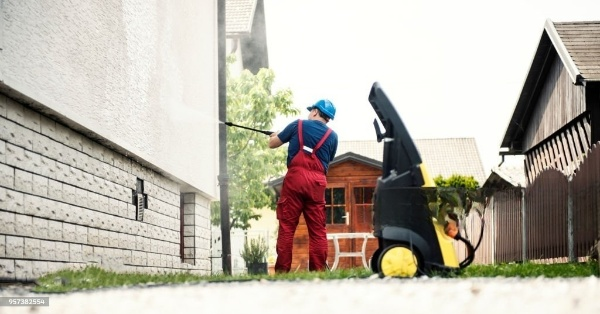
Pressure washing is a cleaning technique that utilizes a high-pressure stream of water to remove dirt, grime, mold, mildew, and even loose paint from exterior surfaces. It’s a powerful tool for prepping your home for painting, leaving a clean and sound foundation for the new paint to adhere to.
However, pressure washers come with adjustable settings, and choosing the right one is crucial for different surfaces. Here’s a breakdown:
Low-Pressure Setting
This gentle spray is ideal for cleaning delicate surfaces like windows, painted wood siding, and stucco. Using too much pressure on these surfaces can damage them.
Medium-Pressure Setting
This is a good all-around setting for cleaning decks, patios, and vinyl siding. It removes built-up dirt and grime without damaging most materials.
High-Pressure Setting
This setting tackles tough jobs like cleaning concrete driveways, removing stubborn paint flakes, and stripping heavy layers of dirt. It’s important to use caution with high pressure, as it can easily damage softer surfaces like wood siding.
It’s important to note that there’s another cleaning method called soft washing. This gentler approach uses low water pressure combined with cleaning solutions to remove mold, mildew, and algae from surfaces like roofs and shingles. While it’s not ideal for removing loose paint, it’s a good option for cleaning delicate materials that can’t withstand the high pressure of a traditional pressure washer.
Safety First! Before you unleash the cleaning power, prioritize safety. Always wear protective gear like goggles, gloves, and long pants when operating a pressure washer. Maintain a safe distance from the surface you’re cleaning and be mindful of the spray direction to avoid injuring yourself or others. Additionally, consult your pressure washer’s manual for specific instructions and safety guidelines.
Why Pressure Wash Before Painting?
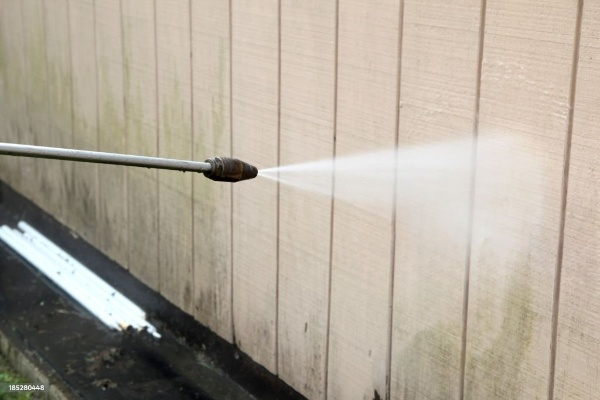
Now that we understand the power of pressure washing, let’s explore why it’s a crucial step before painting your home’s exterior. Here are some key benefits:
Superior Paint Adhesion
Imagine applying fresh paint on a dirty, grimy surface. The paint simply won’t adhere as well, leading to peeling and flaking down the line. Pressure washing removes dirt, grime, mildew, and mold, creating a clean and textured surface for the new paint to bond with. Think of it like preparing a canvas for a masterpiece – the cleaner the canvas, the better the paint adheres, and the more vibrant the final result.
A Smooth and Even Finish
Dirt and grime can create an uneven surface, leading to a patchy and uneven paint application. Pressure washing creates a smooth and clean surface, allowing the paint to lay down evenly for a flawless and aesthetically pleasing finish.
Unearthing Hidden Issues
Sometimes, underlying paint problems can be masked by dirt and grime. Pressure washing acts like a revealing light, exposing any loose paint flakes, cracks, or damaged areas. Addressing these issues before painting ensures a more secure and long-lasting paint job. By tackling these underlying problems upfront, you’ll save yourself the hassle (and expense) of dealing with them later when the new paint starts to peel.
The Waiting Game: How Long After Pressure Washing Can You Paint?
We’ve learned why pressure washing is a valuable pre-painting step, but before you grab your paintbrush, there’s a crucial factor to consider: drying time.
Letting the surface dry completely before painting is absolutely essential. Why? Imagine trapping moisture under a fresh coat of paint. This trapped moisture can cause the paint to peel and blister later on, ruining all your hard work. So, how long should you wait?
The Crucial Factor: Weather Conditions
- Ideal conditions: Warm temperatures (around 70°F), low humidity (below 60%), and sunny skies promote faster drying. Aim for a day with these conditions in the forecast before pressure washing.
- Drying time estimates: Under ideal conditions, expect surfaces to dry within 24-48 hours. However, higher humidity or cooler temperatures can extend this time significantly.
Porosity of the Surface Material
- More porous materials: Materials like wood siding, brick, and stucco are more porous and absorb more water during pressure washing. They naturally take longer to dry compared to less porous surfaces like vinyl siding.
Level of Moisture Saturation During Pressure Washing
- Heavier saturation: If you used a high-pressure setting or spent extended time pressure washing a specific area, the surface will be more saturated and take longer to dry completely.
- A General Rule of Thumb: In most cases, allow at least 24-48 hours for drying under ideal conditions. However, it’s always best to be safe than sorry.
Pro Tip: Use a Moisture Meter
Don’t rely on guesswork! Invest in a moisture meter, a handy tool that accurately measures surface moisture content. A reliable reading below 15% ensures the surface is completely dry and ready for painting. This small investment can save you a lot of time and frustration down the road by preventing paint failure caused by trapped moisture.
Considerations Beyond Drying Time
While drying time is paramount, there are other factors to consider before you start painting:
Choosing the Right Paint
- Latex paints: These are generally compatible with pressure washing. However, it’s always wise to check the manufacturer’s recommendations for specific cleaning instructions.
- Oil-based paints: Due to their slower drying nature, oil-based paints require a longer drying time after pressure washing compared to latex paints. Factor this in when planning your painting project.
Surface Condition
Pressure washing is a powerful cleaning tool, but it’s not a magic solution for major surface damage. If your house has heavily damaged surfaces with cracks, loose boards, or rotting wood, address these issues with repairs before painting. Painting over damaged surfaces won’t solve the underlying problem and could lead to further paint failure down the line.
Mold and Mildew Matters
Pressure washing effectively removes surface mold and mildew. However, it’s important to address the root cause of the problem to prevent them from reappearing under the new paint. If you have persistent mold or mildew issues, consider using a moldicide or mildewcide after pressure washing to kill any remaining spores and prevent future growth. Remember, a clean and healthy surface is key for a long-lasting paint job.
Painting After Pressure Washing: Tips for Success
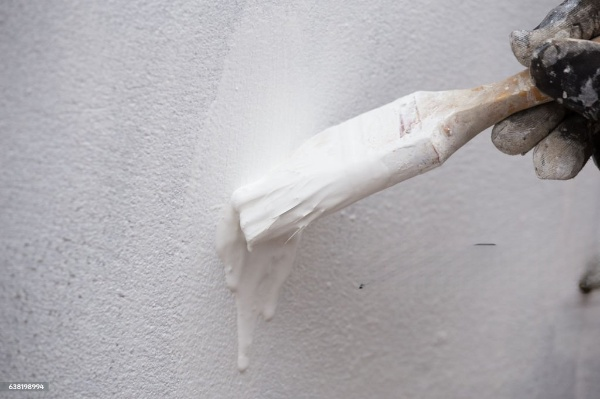
Now that your surface is clean and dry, it’s time to unleash your inner artist! Here are some key tips to ensure your painting project goes smoothly and delivers a stunning finish:
The Right Paint for the Job
Different exterior surfaces require different types of paint. Choose a high-quality paint specifically designed for your siding material (wood, vinyl, etc.) and desired finish (matte, satin, gloss). Don’t forget to factor in weather conditions; some paints offer better durability against harsh elements.
Creating a Smooth Canvas
Pressure washing might reveal imperfections you couldn’t see before. Take the time to scrape off any loose paint, sand down rough spots, and fill in any cracks or holes. A smooth and even surface is essential for a flawless paint application.
Protecting the Untouchables
Before you start painting, use painter’s tape to meticulously mask off trim, windows, doors, and any other areas you don’t want to be painted. This will save you time and frustration from cleaning up unwanted paint splatters later.
Painting Like a Pro
Proper painting techniques are crucial for a professional-looking finish. Use smooth, even strokes and apply multiple thin coats instead of one thick coat. Consult painting tutorials online or consider hiring a professional painter for a flawless result, especially for complex projects. Remember, taking the time to do it right ensures your paint job looks beautiful and lasts for years to come.
Can You Paint Over the Dirty Siding? Why Not?
Absolutely not! Painting over dirty siding is a recipe for disaster. Here’s why:
Poor Paint Adhesion
Dirt and grime create a barrier that prevents paint from properly adhering to the surface. This leads to peeling, flaking, and a patchy paint job that won’t last.
Uneven Finish
Dirt buildup can create an uneven texture, resulting in a blotchy and unprofessional-looking paint finish.
Hidden Problems Masked
Dirt and grime can mask underlying problems like loose paint, mold, or mildew. Painting over these issues won’t address them, and they’ll likely reappear and cause further paint failure down the line.
Frequently Asked Questions
Here are some frequently asked questions about pressure washing and painting your home’s exterior:
How often should I pressure wash my house?
The frequency depends on factors like climate, weather conditions, and the amount of dirt and grime buildup. Generally, pressure washing every 2-3 years is a good rule of thumb.
Can I rent a pressure washer instead of hiring a professional?
You can rent a pressure washer, but it requires proper technique and safety precautions. If you’re unsure about using one yourself, hiring a professional pressure washing service might be a safer and more efficient option.
What type of paint should I use after pressure washing?
Choose a high-quality exterior paint specifically designed for your siding material. Opt for latex paints for faster drying times after pressure washing.
What if my house has mold or mildew problems?
Pressure washing removes surface mold and mildew, but it’s important to address the root cause to prevent regrowth. Use a moldicide or mildewcide after pressure washing to kill remaining spores.
Should I hire a professional painter?
If you’re comfortable with DIY projects and have the necessary skills, painting your house yourself can save money. However, for complex projects or if you lack experience, hiring a professional painter ensures a high-quality and long-lasting paint job.
A Recipe for a Beautiful and Lasting Paint Job
Dreaming of a fresh coat of paint transforming your house from drab to fab? By following these steps – from proper pressure washing to choosing the right paint and following painting techniques – you’ll ensure a successful outcome. Remember, the key is proper preparation.
For more, check out the Pressure Washing Info Hub.
Taking the time to pressure wash, address underlying issues, and let the surface dry completely lays the foundation for a beautiful and long-lasting paint job that will boost your home’s curb appeal for years to come.


