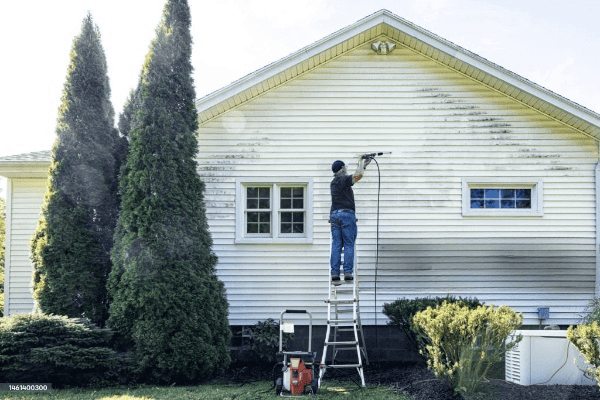
A freshly pressure-washed rug looks fantastic—until you realize it’s soaking wet and needs to dry properly before use. If you don’t dry it the right way, you risk mold, mildew, and musty odors taking over your clean rug.
At ShinePro, we know a thing or two about cleaning, and we’re here to guide you through the best drying methods to keep your rug fresh, clean, and long-lasting. Whether you’re dealing with porous surfaces like natural fiber rugs or synthetic materials, we’ve got the tricks to get your rug dry fast. We also offer commercial power washing in Oklahoma City, OK, for businesses that want spotless exterior surfaces.
Related Article: What Is Soft Wash Pressure Washing? A Guide to Pre-Treating Concrete Before Washing
When using sodium hypochlorite (SH) as the active ingredient, follow the recommended dilution ratio and application methods to avoid damaging the surface or surrounding vegetation and ensure the chemicals are used safely.
Pre-Drying Preparation
Before you even start the pressure washing process, it’s crucial to prepare both the rug and the surrounding area to ensure effective cleaning and drying. Here’s how to get started:
- Clear the Area: Remove any loose debris like leaves or twigs from the rug. This prevents clogging the pressure washer and ensures a thorough clean.
- Protect Surrounding Vegetation: Cover nearby plants and flowers to shield them from cleaning agents and potential damage.
- Move Outdoor Items: Take away any outdoor furniture, decorations, or other items that could be harmed by the pressure washer or cleaning solution.
- Calibrate Your Equipment: If you’re using a pump sprayer, make sure it’s properly calibrated and set to the correct pressure for the surface you’re cleaning.
- Pre-Treat Porous Surfaces: For porous surfaces like concrete or brick, apply a pre-treatment solution to help loosen dirt and grime before pressure washing.
- Use Sodium Hypochlorite Correctly: When using sodium hypochlorite (SH) as the active ingredient, follow the recommended dilution ratio and application methods to avoid damaging the surface or surrounding vegetation.
- Avoid Household Bleach: Household bleach isn’t strong enough for pressure washing and can leave residues. Opt for professional-grade cleaning agents instead.
- Soft Washing for Mold: For surfaces with heavy mold or mildew, consider a soft washing method with a solution containing SH. This effectively kills and removes mold without damaging the surface.
- Follow Manufacturer Instructions: Always adhere to the manufacturer’s guidelines for your pressure washer, cleaning agents, and other equipment to ensure safe and effective operation.
- Inspect the Surface: Before starting the job, inspect the surface for areas that may need special attention or additional cleaning agents.
- Choose the Right Nozzle: Use a wide fan tip on the pressure washer to break up dirt and grime, and a narrow fan tip for more precise cleaning and rinsing.
- Maintain Safe Distance: Keep the pressure washer at a safe distance from the surface to avoid damage from excessive pressure or water flow.
- Use Appropriate Cleaning Solutions: Select a cleaning solution designed for the specific surface you’re cleaning, and follow the recommended application methods and dwell times.
- Rinse Thoroughly: After completing the pressure washing job, use a clean water rinse to remove any remaining cleaning agents and debris from the surface.
By following these pre-drying preparation steps, you’ll set the stage for a successful pressure-washing job and ensure your rug dries quickly and thoroughly.
Step-by-Step Guide to Drying a Rug After Pressure Washing
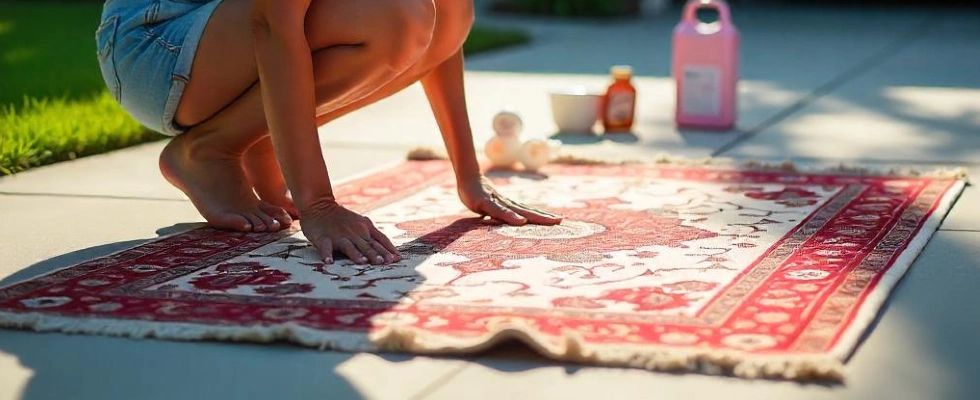
1. Remove Excess Water First
Before you set your rug out to dry, you need to get rid of as much water as possible. This prevents discoloration and speeds up the drying process.
- Roll and press: Lay your rug flat, roll it up tightly, and press down to squeeze out excess water.
- Use a wet/dry vacuum: A shop vac can suck out a surprising amount of moisture from your rug’s fibers.
- Blot with towels: Lay down a few clean, absorbent towels and press down firmly. This trick works best for smaller rugs.
2. Choose the Right Drying Location
Not all drying locations are equal. Direct sunlight may seem like a good idea, but too much exposure can lead to fading and fiber damage—especially for natural fiber rugs like wool or jute.
Best Drying Spots:
- A well-ventilated area – This prevents moisture from getting trapped in the fibers.
- An outdoor shaded spot – A breezy, shaded area works well for larger rugs.
- Indoors with fans – Set up fans for good air circulation if drying inside.
3. Elevate the Rug for Faster Drying
Letting your rug sit flat on the ground slows the drying process and can cause moisture buildup underneath. Use these elevation methods for a faster dry:
- Hang it over a railing, fence, or drying rack – This allows air to flow freely around the rug.
- Lay it across two chairs or sawhorses – Elevating the rug creates space underneath for better air circulation.
- Use a drying rack – This method is great for smaller rugs that need even airflow on both sides.
4. Increase Airflow and Circulation
The more air movement, the faster your rug will dry. If you’re drying your rug indoors, here are some quick tricks:
- Set up multiple fans – Position them at different angles to increase air circulation.
- Use a dehumidifier – This removes excess moisture from the air, helping your rug dry faster.
- Turn on ceiling fans – If drying indoors, ceiling fans help move air and prevent mildew growth.
5. Rotate and Flip the Rug Periodically
To prevent moisture from getting trapped, flip your rug every few hours so both sides can dry evenly. This is especially important for thick rugs and Persian rugs, which hold onto moisture longer.
- Flip the rug over every 4-6 hours
- Check the backing – If it still feels damp, keep drying!
- Pat down any remaining wet spots with a clean microfiber towel
6. Avoid These Common Drying Mistakes
- Laying the rug on a damp surface – This keeps moisture trapped and slows drying.
- Drying in direct sunlight for too long – It can lead to fading and fiber damage.
- Using too much heat – Hairdryers and space heaters can warp or shrink rug fibers.
What is Sodium Hypochlorite (SH) in Pressure Washing, and Why Does It Matter?
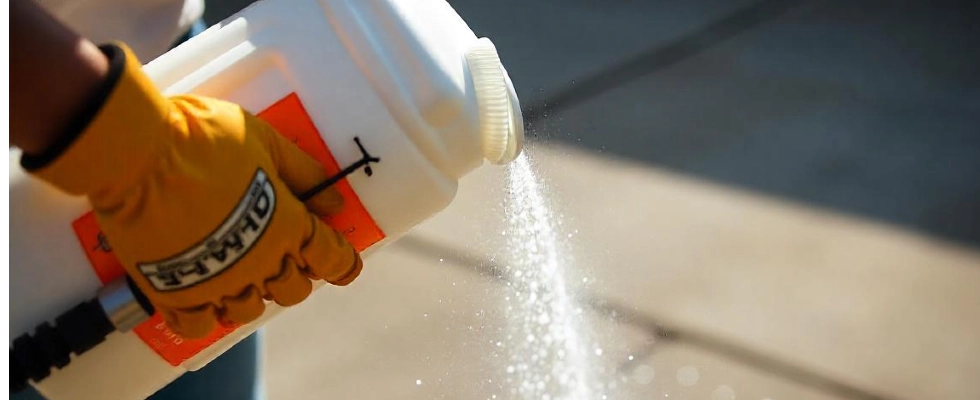
If you’re wondering about SH in the pressure washing industry, it stands for sodium hypochlorite—the active ingredient in household bleach. It’s commonly used in soft washing to break down mold, dirt, and grime on porous surfaces like wood, siding, and fences.
One effective tool for applying SH is the X-Jet, which allows you to draw chemical solutions directly from a container, providing higher concentrations than downstream injectors.
However, using SH incorrectly can damage delicate surfaces, including some rugs. If you’re using cleaning agents with bleach in them, always check your rug’s care instructions first to avoid discoloration or fiber damage.
Keep Your Rugs Fresh and Clean with ShinePro
Drying your rug after a pressure wash doesn’t have to be complicated. With the right airflow, elevation, and rotation, you can speed up drying time while preventing mold and mildew from taking hold.
If you’re looking for expert cleaning services, ShinePro has you covered. Whether you need commercial power washing in Oklahoma City, OK, or professional rug and carpet cleaning, we’re here to help.
For more, check out the Pressure Washing Info Hub.
Contact ShinePro today to schedule your professional cleaning service and keep your home or business looking spotless!