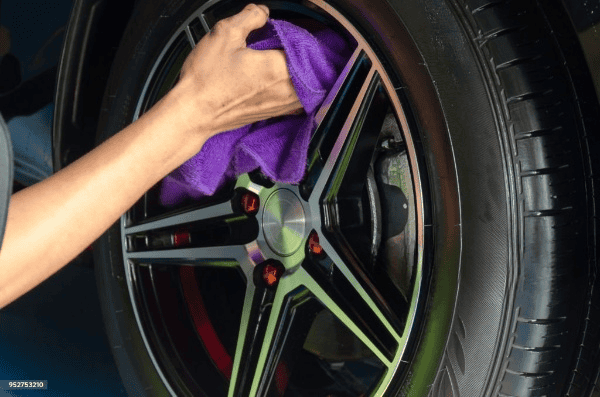
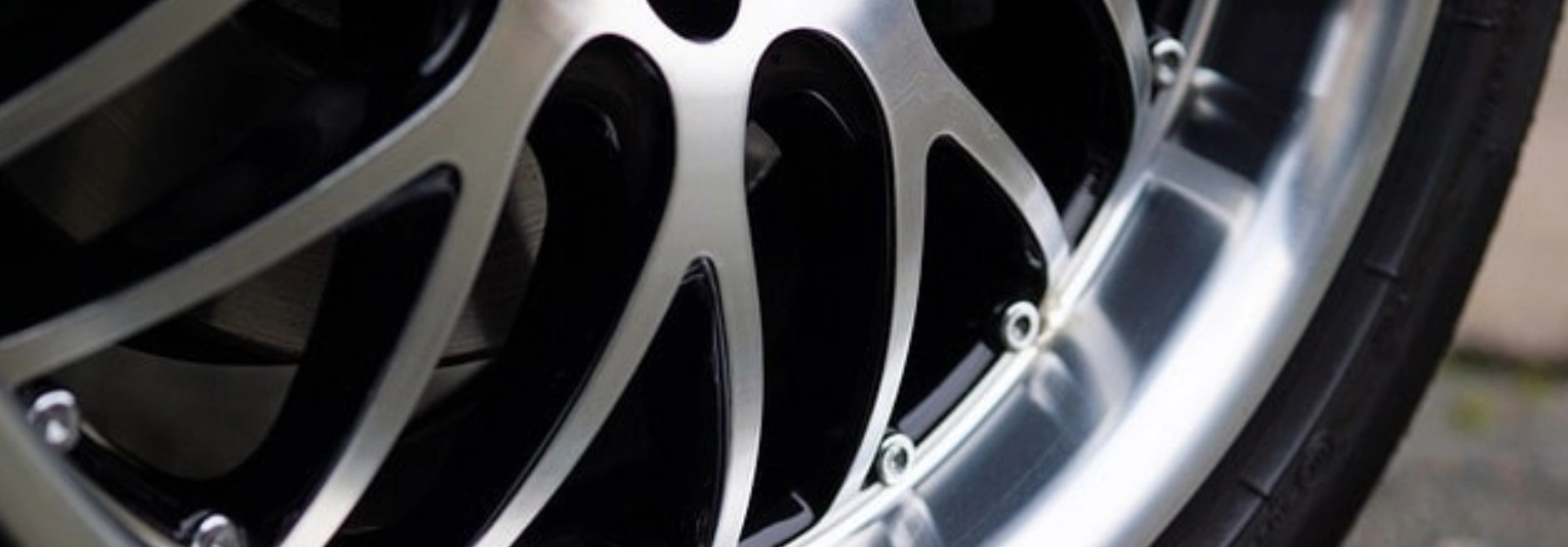
At ShinePro Services, removing oxidation from aluminum is one of the jobs we handle most across Oklahoma City. Fleet managers call us about chalky fuel tanks and dull wheels. Homeowners call about faded patio furniture and gray trim. The cause is almost always aluminum oxidation. The good news is that oxidized aluminum can usually be restored with the right methods, the right materials, and some patience. In this guide, our team walks you through the full restoration process, from identifying the damage to protecting the finish once it shines again.
What Is Aluminum Oxidation?
Aluminum oxidation occurs when aluminum reacts with oxygen. When aluminum metal is exposed to air, a chemical reaction starts at the surface right away. The metal reacts to form aluminum oxide, which has the chemical formula Al2O3. Aluminum quickly forms a natural oxide layer when exposed to oxygen and air, and that thin film is why the metal is so corrosion resistant.
In other words, aluminum oxidation forms a protective layer against corrosion. Rust on steel flakes away and exposes fresh metal. The aluminum oxide film stays tight to the surface instead. Aluminum is highly corrosion-resistant due to its oxide layer, and that natural corrosion resistance is why aluminum shows up on trucks, trailers, boats, and homes.
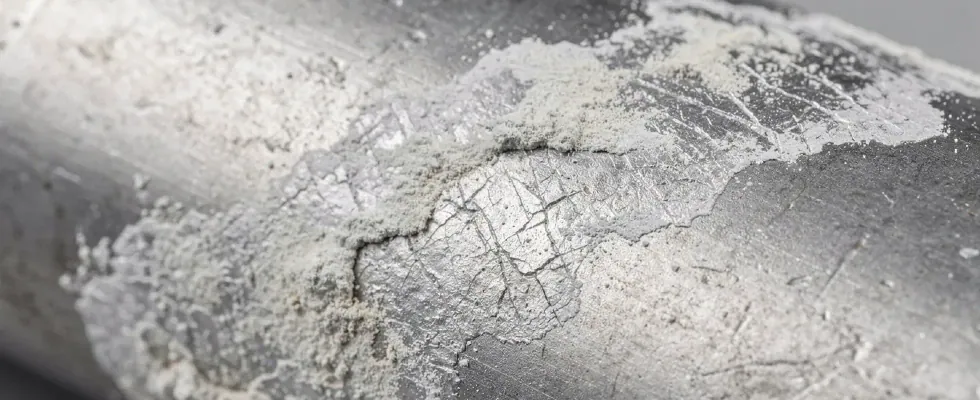
The trouble starts when the oxide layer thickens and breaks down. Aluminum oxidation forms a white powdery coating on surfaces, and it often rubs off on your hand. At that stage, the oxide is no longer protecting much. Oxidation can make aluminum products perform poorly over time in several ways:
- Oxidation can reduce aluminum’s electrical conductivity at battery boxes, grounds, and connectors.
- Oxidation can interfere with adhesive bonding on aluminum, so decals peel and coatings lift.
- Heavy buildup can hide pitting and galvanic corrosion that you can’t see with the naked eye.
One important point: aluminum oxide is usually a thin, protective layer that must not be aggressively removed. Our goal is to remove the damaged crust, not grind away healthy metal.
Why Aluminum Oxidizes Faster Outdoors
Environmental factors can accelerate the oxidation of outdoor aluminum items. Aluminum oxidation occurs faster in humid environments, and Oklahoma’s muggy summers and storm seasons keep surfaces damp. Road salt, brake dust, diesel soot, heat, and harsh wash chemicals all speed up the damage.
Galvanic corrosion is another common cause. When aluminum stays in contact with moisture and two different types of metal such as steel bolts, lug nuts, or straps, the aluminum corrodes first and leaves white, crusty buildup at the joint. The upside is that proper maintenance extends the lifespan of aluminum items exposed to outside elements.
Step 1: Identify What You’re Dealing With
Removing oxidation from aluminum depends on the severity of the buildup and the type of finish. Before our crew picks up a single tool, we sort the job into one of these categories.
| Condition | Signs | Starting method |
|---|---|---|
| Light oxidation | Dull gray haze, smooth to the touch | White vinegar or lemon juice |
| Heavy oxidation | Thick, chalky white powder | Commercial cleaner, then polish |
| Pitting | Rough texture, tiny craters | Fine grit sandpaper, then polish |
| Galvanic corrosion | Crusty buildup at fasteners | Clean, then isolate the metals |
| Anodized or clear coat | Faded color, cloudy spots under a coating | Mild soap only, or strip and refinish |
Every aluminum oxide removal job starts with the cleaning process. Wash away dirt, dust, and grime with soap and water, rinse, and dry with a clean cloth. Then test your chosen method on a small, hidden spot before treating the whole aluminum item.
Method 1: White Vinegar, Lemon Juice, and Baking Soda
For light oxidation on bare aluminum, household products are an effective way to treat the surface. White vinegar and lemon juice are mild acids. They dissolve loose oxide without attacking the metal underneath.
White vinegar or lemon juice solution
- Mix equal parts white vinegar (or lemon juice) and water in a spray bottle.
- Spray the solution onto the clean surface and let it sit for 5 to 10 minutes. Don’t let it dry.
- Scrub gently with a non-abrasive pad or soft brush. On brushed aluminum, follow the grain.
- Rinse thoroughly and dry right away.
Baking soda paste
For stubborn spots, mix baking soda with a small amount of water to form a paste. Spread it over the oxidation, wait about 10 minutes, scrub gently, and rinse well. Baking soda is mildly abrasive, so skip it on mirror-polished or anodized finishes.
For small aluminum parts or cookware, boil them in water with a few spoonfuls of vinegar or cream of tartar for about 10 minutes. Heat speeds up the reaction and loosens heavier haze.
Wear gloves, work in the shade, and never mix these products with bleach. Expect some elbow grease. On large surfaces, scrubbing by hand gets time consuming fast.
Method 2: Chemical Sprays and Pickling
Chemical sprays can effectively break down oxidation on aluminum when household methods fall short. Commercial aluminum brighteners use acid blends that dissolve heavy oxidation on bare trailers, tanks, and diamond plate in minutes.
These chemicals demand respect:
- Follow the manufacturer’s specific instructions on dilution and dwell time.
- Apply on a cool surface, spraying from the bottom up.
- Rinse from the top down until every trace is gone.
- Keep the spray off glass, chrome, paint, and clear coat.
A brightener left to dry can etch the metal and leave permanent streaks.
In manufacturing, the industrial version of this process is called pickling. Pickling uses acidic solutions to dissolve aluminum oxide layers, usually in controlled dip tanks before anodizing, welding, or adhesive bonding. It is effective, but it is not a DIY job.
Method 3: Mechanical Methods and Fine Grit Sandpaper
When oxidation has turned into pitting, mechanical methods are the answer. Fine-grit sandpaper can remove oxidation from aluminum surfaces and level out rough spots so they can be polished.
- Choose the finest grit that removes the damage. Many jobs start at 600 or 800.
- Wet sand with soapy water to reduce heat, clogging, and dust.
- Sand in straight, even strokes using a sanding block.
- Rinse, then move up through 1000, 1500, and 2000 grit until the surface is smooth and the scratches are uniform.
Avoid steel wool and steel brushes. They leave scratches and steel particles that rust and trigger galvanic corrosion. Use aluminum oxide abrasive pads or brushes reserved for aluminum instead. Welders follow the same rule when they clean aluminum before welding.
Mechanical abrasives can generate dust that needs proper management. Wet sand whenever possible, use a vacuum with a HEPA filter, and wear a respirator and eye protection. Sanding removes metal, so stay away from thin trim, wheel mounting surfaces, and precision parts.
Method 4: Polish to a Mirror Finish
Once the oxidation is gone, a good polish brings back the shine. Polishing compounds contain fine abrasives that refine sanding scratches until the metal reflects like a mirror.
For light work, apply a small amount of aluminum polish to a clean cloth and work it into small sections. The cloth will turn black as it lifts oxide, which is normal. Wipe the polish off before it dries, then buff with a fresh towel.
For heavy oxidation and large areas like fuel tanks, machine polishing through several compound stages gives optimal results. Keep the polisher moving so heat doesn’t build up. This is the step our ShinePro technicians are known for, and a professional mirror finish on wheels and tanks changes the whole look of a truck.
Method 5: Laser Cleaning
Laser cleaning is the high-tech option. Short laser pulses vaporize oxide, paint, and grime, while the metal underneath reflects most of the energy. Laser ablation removes oxidation without damaging the aluminum surface when an experienced operator sets it up correctly.
Because it is a non contact method, it uses no abrasives and no chemicals, and it leaves no embedded particles. Manufacturers use it to prep surfaces for welding and adhesive bonding, and to clean around laser marking without erasing it. Laser cleaning is a specialty service, not a DIY tool, and the metal still needs polishing afterward if you want shine.
Fleet Focus: Cleaning Semi-Truck Aluminum Wheels
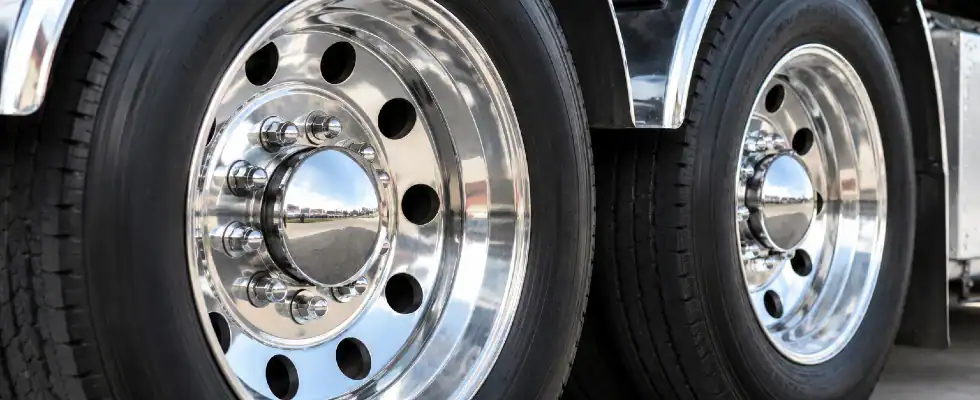
Wheels are often the first place oxidation shows on a truck. Brake heat, brake dust, and steel lug nuts make them a perfect storm. For a full walkthrough, see our guide on cleaning semi-truck aluminum wheels. Here is the short version:
- Let the wheels cool completely.
- Pre-rinse loose brake dust and dirt.
- Apply an aluminum-safe wheel cleaner and agitate with soft brushes, including around the lug nuts.
- Rinse thoroughly and dry.
- Polish bare polished wheels, then seal them with a protective coating.
Never sand or polish the mounting face or lug seats. For all the aluminum on a rig, from wheels to tanks to battery boxes, our mobile crew can do the work right in your yard.
How to Protect Aluminum and Prevent Corrosion
Protective sealants or wax must be applied to prevent rapid re-oxidation of aluminum. Freshly cleaned bare aluminum starts building new oxide right away. Without a barrier, it can haze again within weeks. Applying protective coatings prevents future aluminum oxidation, and you have several options:
- Wax or metal sealant for quick, affordable protection.
- Ceramic coatings for longer-lasting protection on wheels and tanks.
- Clear coat for years of coverage, as long as the prep is perfect.
To prevent corrosion over the long term:
- Clean regularly. Regular cleaning minimizes oxidation on aluminum surfaces, so wash, rinse, and dry often, especially after driving on salty roads.
- Store it well. Storing aluminum in controlled environments reduces oxidation risk. Use covers, carports, or garages when you can.
- Isolate dissimilar metals. Separate aluminum from steel fasteners with nylon washers or dielectric grease to stop galvanic corrosion.
Common Mistakes We See
- Using steel wool, which leaves scratches and rust spots.
- Letting acid or other chemicals dry on the surface.
- Polishing over a failed clear coat instead of stripping it.
- Scrubbing anodized aluminum with harsh cleaners.
- Skipping the test spot.
- Forgetting to protect the metal after all that work.
Frequently Asked Questions
Can I use white vinegar to clean aluminum?
Yes. A 50/50 white vinegar solution works well on light oxidation. Rinse thoroughly and dry afterward.
Is aluminum oxidation the same as rust?
No. Rust is iron oxide, which forms on steel. Aluminum oxide is white or gray and far more stable.
What works best on heavy oxidation?
Use a commercial aluminum cleaner, then fine grit sandpaper if pitting is present. Finish with a machine polish and a protective coating.
How do I clean oxidized aluminum that is anodized?
Use mild soap and water only. Harsh chemicals strip the anodized layer.
Are other methods, like ketchup or cola, worth trying?
They contain mild acids and can work on tiny items. Vinegar is cleaner and more reliable.
Restore Your Aluminum With ShinePro

Light haze on a patio chair makes a great weekend project. Heavy oxidation on a full fleet is a different story. ShinePro Services brings professional aluminum polishing, pressure washing, and truck detailing straight to your location across Oklahoma City, Edmond, Moore, Norman, Yukon, and surrounding areas. Every fleet client gets a dedicated account manager, transparent pricing, and a maintenance plan built around their routes.
Call us at 405-939-1550 or email shineprokolton@gmail.com for a free quote, and let our team make your aluminum shine like new.