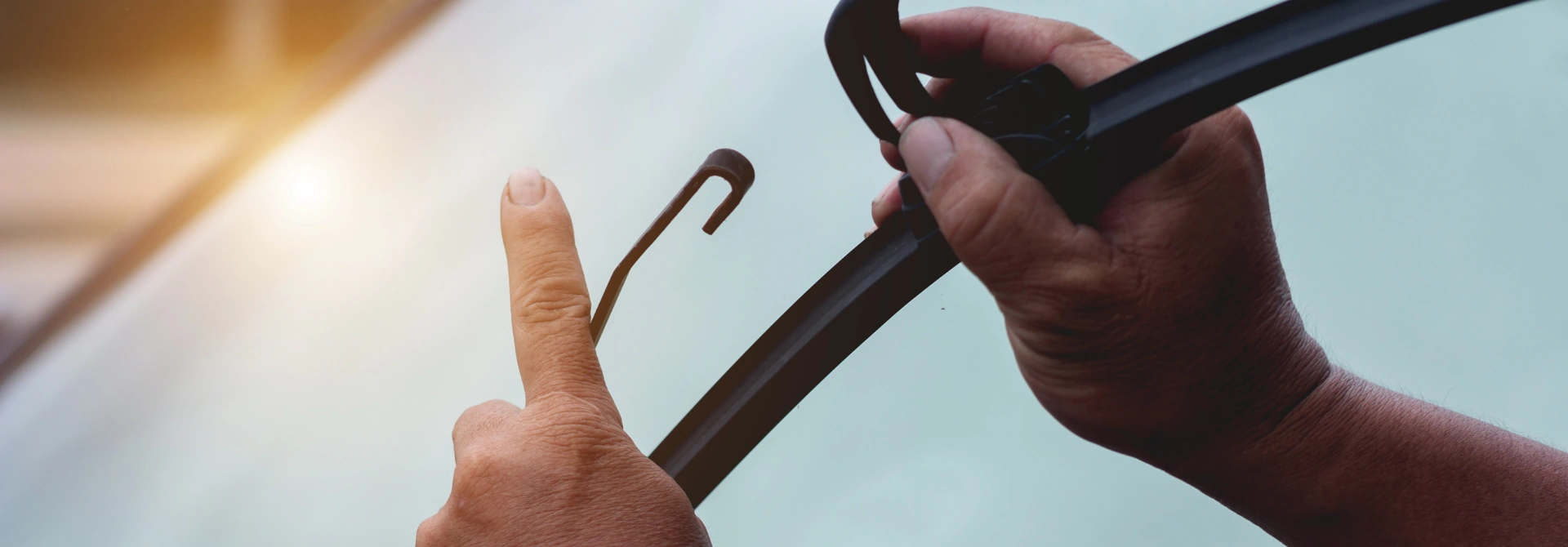
There’s nothing like a streaky windshield to turn a quick drive into a stress test. If your wipers are smudging more than they’re clearing or skipping like they’re in a dance battle, it’s probably not the rain’s fault—it’s the wrong size blade. At Shine Pro in Oklahoma City, we’ve seen it all: bent beams, mismatched lengths, and wipers clinging on for dear life. Picking the right parts for your vehicle doesn’t have to be a mystery. Let’s break down how to find the size wiper blades that actually do their job when driving conditions get messy.
Related Article: How to Replace Windshield Wipers: A Step-by-Step Guide
How Do I Know What Size Wiper Blades to Buy?
If you’ve ever stood in the auto aisle squinting at rows of wiper blades and wondering if you’re about to buy the wrong size (again), you’re not alone. Wiper blades might look the same on the shelf, but each vehicle model is built for a specific fit—and guessing rarely works out in a downpour.

The fastest way to find the correct size is to check your owner’s manual or search your vehicle’s year, make, and model online. There’s usually a dedicated page or tool for this—just plug in your info and confirm the lengths for both the driver and passenger sides. And don’t forget the rear wiper if you’ve got a hatchback or SUV.
The front blades are typically two different lengths. If you’re replacing them yourself, take note of the existing ones before you toss them. You can also measure the old wipers from end to end to get an accurate length.
Want to skip the guesswork altogether? Stop by Shine Pro—we’ll help you pick out the right parts and get your windshield back to a clear view in no time.
Why Wiper Arm Fit Matters More Than You Think
Your wiper blades might be the right length, but if they don’t match the wiper arm, they’re not going to do much besides streak your windshield. It’s like trying to wear shoes that technically fit but don’t work with your feet.
What to Check Before You Install New Blades:
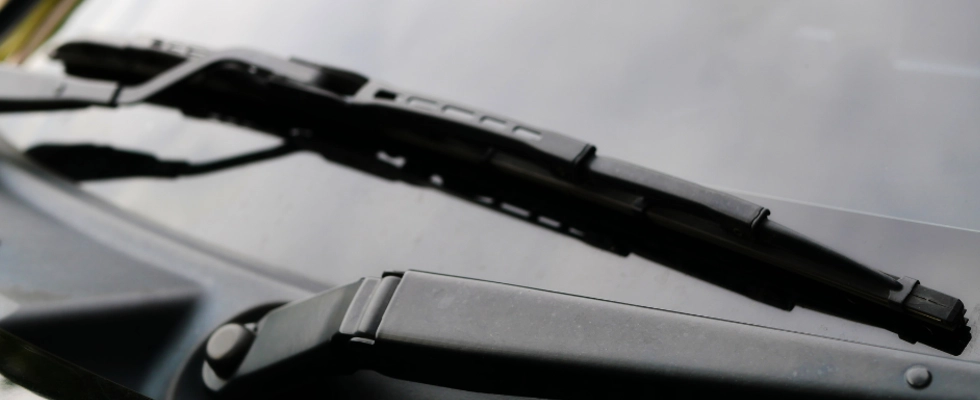
Arm Connection Type
Not all arms are built the same. Hook, pin, and bayonet styles are common, and each one needs the right matching blade.
Press Points and Locking Mechanism
Some wipers require a click-and-lock system, while others slide in with pressure. If it’s too loose or too tight, it won’t perform.
Blade Flexibility and Hold
A proper fit means the rubber blade hugs the windshield without gaps—essential for removing water and debris during a storm.
If the frame doesn’t match your arm type, even the best wiper blades won’t hold up. And when you’re dealing with Oklahoma weather, poor performance isn’t just annoying—it can block your vision fast.
Not sure what kind of arm your vehicle has? Bring it to Shine Pro. We’ll check your setup and recommend the right parts, whether you’re running conventional wipers or upgrading to beam wiper blades.
Windshield Wiper Blades Aren’t One-Size-Fits-All
It might be tempting to grab the first pair of wipers that look like they’ll fit, but size and design both play a huge role in how well they perform. The wrong blades can leave streaks, miss major sections of your windshield, or flat-out fail during heavy rain.

Why Size Wiper Blades Matter:
- Too long: They can hit the edge of your windshield or even overlap, causing wear or damage over time.
- Too short: You’ll end up with a frustrating blind spot right in your field of vision—especially dangerous in a downpour.
- Incorrect shape: Some blades are curved or straight based on the windshield’s contour. The wrong shape means poor contact and less ability to remove water or debris.
Quick Tips:
- Check both blades separately—driver and passenger sides are usually different lengths.
- Use a tool or online search by vehicle model for the most accurate match.
- Don’t forget rear wipers if your car has them—they’re often a different size entirely.
Choosing the correct size might not seem like a big deal—until your vision gets wrecked mid-storm. If you’re tired of playing the guessing game, Shine Pro’s got you. We’ll get you the best fit, fast.
The Different Types of Wiper Blades (Yes, It Actually Matters)
Not all blades are built the same, and picking the wrong type can make a solid wiper size useless. The style you choose affects performance, wear, and how well your blades hold up during Oklahoma’s wild mix of sun, rain, ice, and road grime.
Traditional Frame Style Wipers (aka Conventional Wipers)
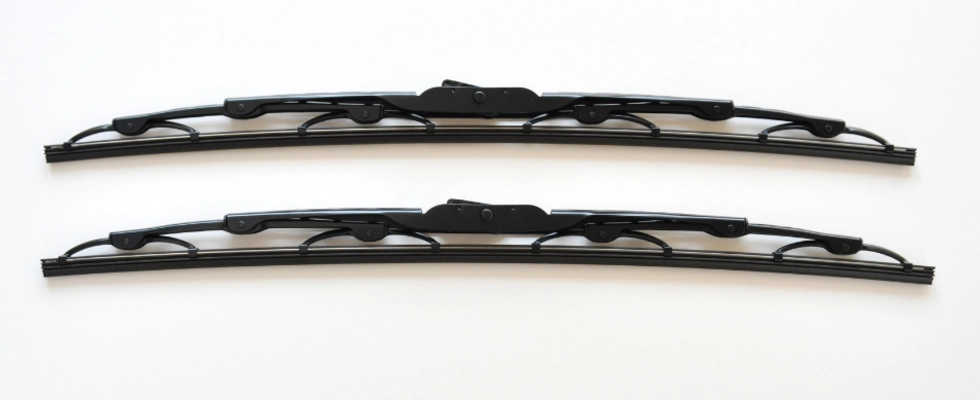
- Metal frame with multiple pressure points.
- Budget-friendly and easy to find.
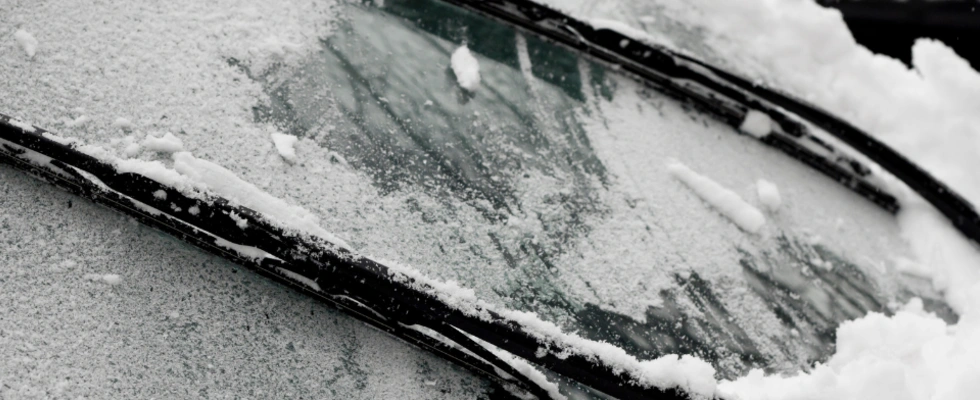
- Can struggle in winter or with heavy snow and ice buildup.
- Great if you’re replacing wipers often and want something affordable.
Beam Wiper Blades
- Sleek, curved design with no external frame.
- Better pressure distribution across the windshield.
- Awesome for high-speed driving conditions and winter weather.
- Typically last longer and resist ice buildup.
Hybrid Blades
- Best of both worlds: internal beam structure with a protective cover.
- More durable than conventional wipers.
- Slightly higher cost but solid year-round performance.
What to Consider
- Driving conditions: Beam blades tend to perform better in storms or snow.
- Budget: Conventional styles are cheaper but wear faster.
- Fit and compatibility: Not all types work with every wiper arm or vehicle—check the match before you install.
Still wondering which one is right for your car? We’ve worked with just about every style out there and can help you figure out which ones make sense for your vehicle and driving style.
How to Choose the Best Wiper Blades for Your Vehicle
There are more wiper blade options on the market than ever before, but finding the best one doesn’t mean picking the most expensive set on the shelf. The goal is a clean, streak-free windshield and blades that last longer without falling apart after the first cold snap.
What to Look For:
Materials matter
Premium rubber or silicone blades tend to outlast basic ones, especially in extreme temperatures.
Signs of wear
If you notice squeaking, skipping, or uneven wipes, your blades are past their prime.
Observe performance
A solid blade should remove water cleanly without streaks or missed spots, especially on the driver’s side.
Know the difference
Beam blades are sleeker and offer better pressure in rough weather, while conventional styles can struggle during ice or snow.
Big-name brands vs. budget buys
There are quality options at every price point, but not every brand delivers the same benefits. Don’t pay for features you don’t need.
Shine Pro Tip:
You don’t have to spend a fortune to get reliable performance. We’ll help you figure out what size and style you actually need, so you don’t waste money on blades that don’t fit or perform.
Still Not Sure What You Need? Shine Pro Can Help.
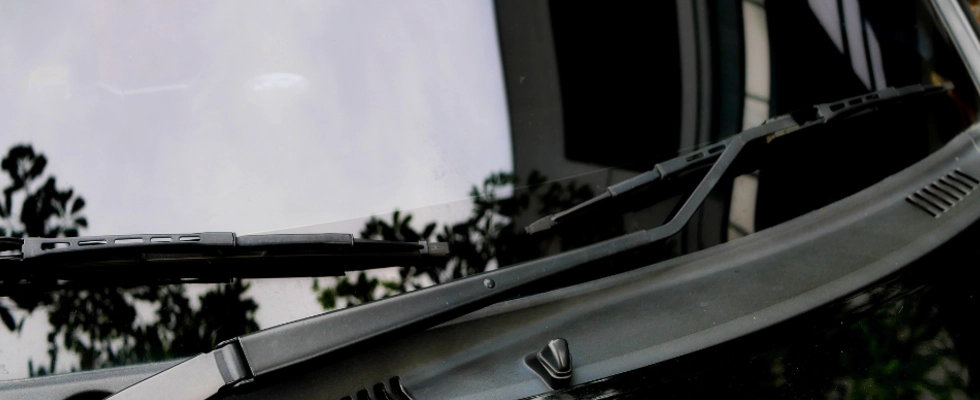
If your windshield wipers aren’t working like they used to, it’s not always just the blades. Sometimes, the real issue is the windshield itself. Scratches, pits, or subtle warping from age or damage can affect visibility, no matter how many times you replace your wipers.
At Shine Pro in Oklahoma City, we specialize in windshield repair and affordable windshield replacement for cars, trucks, and RVs. Whether you’re dealing with a tiny chip or a major crack that’s wrecking your view (and your wiper performance), our team knows how to get it fixed—fast.
So if you’ve upgraded your blades but still can’t get a clear view, the problem might be your glass. Swing by Shine Pro and let’s take a look. We’ll get you back to safe, clear driving without the guesswork.
See our Windshields Info Hub for more!
Need a repair or a full windshield replacement? Call Shine Pro today and get it done right.