
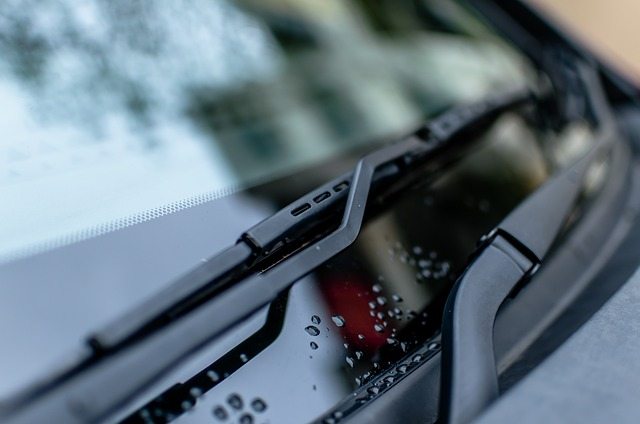
Maintaining good visibility is critical for safe driving, and understanding how to replace windshield wipers is a valuable skill. Wiper blades can wear down over time, resulting in streaks and reduced visibility.
This article will walk you through the simple steps of replacing outdated wiper blades with new wipers. We’ll go over everything from determining the appropriate blade size to properly installing the replacement blades on the wiper arms. Whether you drive a vehicle, truck, or SUV, our helpful guide will keep your windshield wipers in peak condition, allowing you to stay safe on the road.
Related Article: Small Rock, Big Damage: What to Do When a Rock Hits Your Windshield
Let’s get started on replacing those wiper blades together!
Find the Right Blade Sizes
The first step in replacing your windshield wipers is to choose the right blade size for your car. When driving in poor weather, the last thing you want is to have streaks and decreased vision caused by using wiper blades that are the incorrect size.
To determine the correct size for your vehicle, start by checking your owner’s manual. This manual usually includes the recommended blade sizes for your specific model. If you don’t have the manual handy, you can use online lookup tools available on many automotive industry websites. Just enter your vehicle’s make, model, and year to find the right blade sizes.
You can also visit your local auto parts store, where staff can assist you in finding the correct wiper blades. Many stores have reference guides or computerized systems to ensure you get the right fit.
Remember that windshield wipers on the driver’s and passenger’s sides are often different lengths, so check both. Once you’ve determined the correct blade sizes, you can proceed to the following step: remove the old wiper blades and install the new ones. Keep your vehicle’s manual nearby and follow along as we go throughout the replacement process.
Locate the Wiper Arm and Lift It Off the Windshield
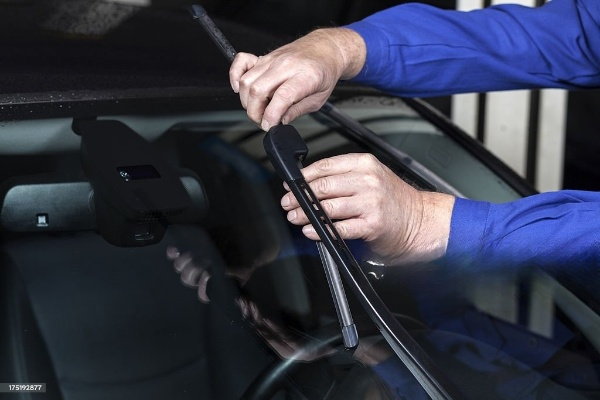
Now that you’ve determined the appropriate blade sizes, it’s time to go hands-on. The next step in learning how to replace windshield wipers is to locate and lift the wiper arm from the windshield.
Identify the wiper arms
Begin by locating the metal arms that hold the wiper blades. These are known as wiper arms and are attached to the motor responsible for moving the blades across the windshield.
Carefully lift the wiper arm
Gently raise the wiper arm away from the windshield until it is upright. Be cautious during this phase because the wiper arm is spring-loaded and can snap back quickly if mishandled.
Ensure the wiper arm stays upright
Gently raise the wiper arm away from the windshield until it is upright. Be cautious during this phase because the wiper arm is spring-loaded and can snap back quickly if mishandled.
Avoid excessive force
Never apply excessive force when lifting the wiper arm, as this can lead to bending or damaging the arm. Such damage may affect the performance of your new wiper blades.
Final check
Before you begin removing the old wiper blades, make sure the wiper arms are firmly elevated and positioned. Taking these procedures will result in a simpler and safer process, with functional windshield wipers once the replacement blades are mounted.
Diagnose Common Wiper Problems

Keeping your windshield wipers in good condition is important for safe driving, especially in rainy weather. Here’s how to identify typical wiper problems and determine whether your wiper blades need to be replaced.
Signs that your wiper blades need replacement
- Streaking: If your wipers leave streaks on your windshield, it’s a clear indication that the rubber wiper blades have worn out. This issue reduces vision and is frequently caused by worn rubber or dirt on the blade.
- Skipping: When wipers skip across the glass rather than moving smoothly, it means the blades are not making proper contact with the windshield. This could be due to bent wiper arms or hardened rubber on older blades.
- Splitting: Inspect the edges of your wiper blades. If you notice any splits or cracks, it’s time to replace them. Split blades cannot effectively clear water or debris from your windshield, leading to poor visibility.
- Squeaking: Squeaking sounds during operation can be due to the rubber part of the blade wearing down or losing flexibility. It might also indicate that the blades are not properly lubricated or aligned.
Other Potential Issues to Check For
- Wiper arm problems: Verify that the wiper arms are not broken or twisted. The blade may not make complete contact with the windshield due to a bent metal arm, which would lead to ineffective cleaning. The wiper arm itself might need to be replaced if you see any bending.
- Motor issues: A problem with the wiper motor may be the cause of your windshield wipers not moving at all or moving very slowly. A malfunctioning wiper motor, electrical issues, or problems with the motor’s connection to the wiper arms can all be causes of this. Expert assistance is frequently needed for the diagnosis and treatment of motor disorders.
- Loose or damaged hardware: Check that all the components, including the clips and connectors that hold the wiper blades to the arms, are secure and undamaged. Loose or broken parts can prevent the wipers from functioning properly.
Routine Maintenance for Optimal Performance
Maintain a regular cleaning schedule for your windshield and wiper blades to get rid of dirt and debris that might scratch the rubber blades or produce streaks. To make sure your wipers can properly remove dirt, check the condition of your wiper fluid and refill it as needed. You can make sure your windshield wipers are always in excellent condition and allow for safe driving and great visibility by keeping a look out for these common problems.
You can keep clear visibility on the road and prevent possible safety hazards by spotting these common wiper faults early. Sustaining optimal functionality and improving your driving experience can be achieved by performing routine checks and timely replacements of your wiper arms and blades.
Remove the Old Wiper Blades
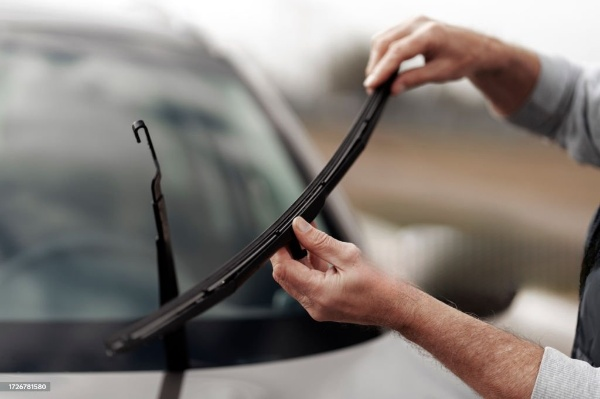
It’s time to replace the old wiper blades after determining whether they require replacement. Take these actions to guarantee a damage-free and seamless removal procedure.
Prepare the wiper arm
Pull the wiper arm carefully away from the windshield and into an upright position before removing the old wiper blades. This will facilitate access to the blades and safeguard your windshield from unintentional harm.
Locate the release tab
The majority of wiper blades have a locking mechanism or release tab that secures them to the wiper arms. This tab is located where the wiper blade attaches to the metal arm, on the underside of the blade. To release the blade, you might need to lift or press the tab.
Remove the old blade
Slide the old wiper blade down the wiper arm and away from the hook or pivot point while the release tab is engaged. Avoid allowing the metal arm to snap back into the windshield as this may cause the glass to break or get damaged. For certain models, the blade may need to be rotated or shifted slightly in order to slide it off fully.
Inspect the wiper arm
Take a minute to look for any wear or damage on the wiper arm after removing the previous blade. Make sure the arm is straight and not bowed because this will impact how well your new wipers work. Before putting on the replacement blades, wipe the wiper arm with a cloth to eliminate any dirt or debris.
You’ll be able to install your new wiper blades and have good vision once more by following these steps.
Install the New Wiper Blades
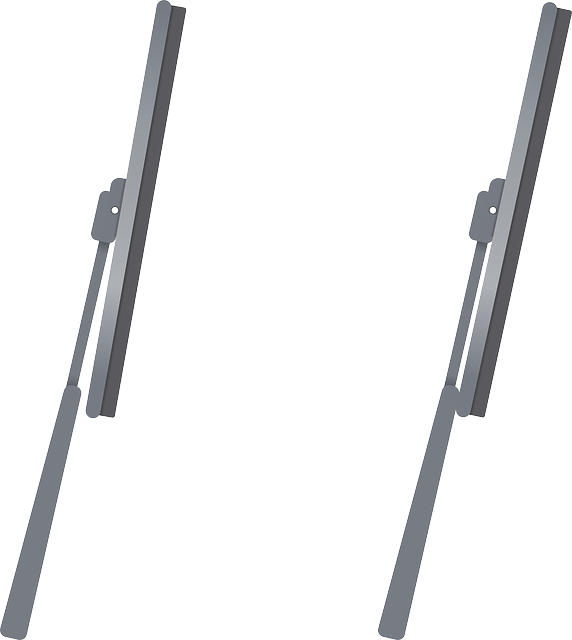
Now that you’ve removed the old wiper blades and inspected the wiper arms, it’s time to install the new wiper blades. Follow these steps to ensure a secure and effective installation.
Position the new blade
First, make sure the wiper arm and replacement blade are lined up. Ensure that the blade is pointing in the proper direction and that the rubber portion is prepared to come into contact with the windshield. The majority of brand-new wiper blades will include instructions to walk you through the procedure.
Attach the blade to the arm
Once you feel or hear a click, the new wiper blade is locked into position on the wiper arm. This shows that the arm and blade are firmly fastened. Sliding the blade into the hook and pulling firmly until it snaps into place is how to use hook-style arms. For further instructions, consult the blade’s manual if your car has a different connection technique.
Test the connection
Gently tug on the new blade to ensure it is firmly attached to the wiper arm. It should not move or come loose. This step is crucial for ensuring that the blade will stay in place during operation and provide effective cleaning.
Lower the wiper arm
Carefully lower the wiper arm back onto the windshield. Make sure to lower it gently to avoid any damage to the glass. Repeat the process for the other wiper arm if you’re replacing both blades.
Test the new wipers
After both blades are inserted, activate your wipers to test them. Verify that the blades are operating smoothly and that there are no skips or streaks in the windshield clearing. Make sure everything is appropriately attached by double-checking the installation if you see any problems.
You can now drive with more clarity and safety after installing your new wiper blades. For optimum visibility and car safety, inspect and replace your wiper blades regularly.
Installing Windshield Wiper Replacements
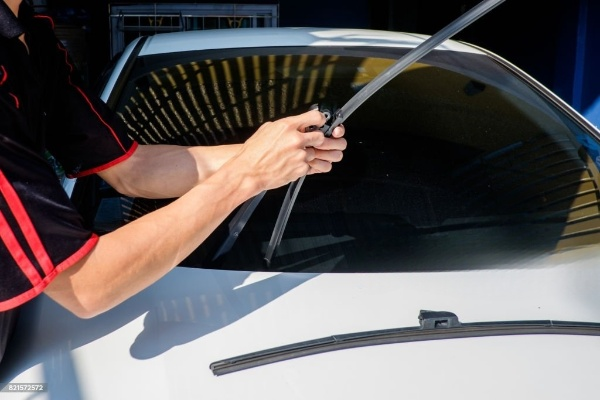
Replacing windshield wipers is a straightforward process, but different types of wiper blade attachments can make the installation a bit tricky. Here are some additional tips for handling various wiper blade attachment types, along with final adjustments and checks to ensure everything is properly installed.
Hook-slot attachment
- Align the Blade: Start by aligning the new wiper blade with the hook at the end of the wiper arm.
- Insert and slide: Slide the hook into the slot on the wiper blade. You should hear a click when it locks into place.
- Secure the blade: Give the blade a gentle tug to ensure it’s securely attached. If it feels loose, repeat the process until it locks properly.
Pin arm attachment
- Position the blade: Hold the new wiper blade parallel to the wiper arm.
- Insert the pin: Insert the pin on the wiper arm through the hole in the blade.
- Lock the blade: Push the blade until it clicks into place. Check the connection by gently pulling on the blade.
Bayonet arm attachment
- Align the blade: Line up the new wiper blade with the bayonet fitting on the arm.
- Slide and lock: Slide the blade onto the bayonet arm until it clicks.
- Check security: Make sure the blade is locked by gently pulling it. If it moves, reseat it until it locks firmly.
Side pin attachment
- Position the blade: Align the wiper blade with the side pin on the wiper arm.
- Insert the pin: Push the side pin through the hole in the blade’s connector.
- Lock and test: Ensure the blade is securely attached by locking it into place and testing with a gentle tug.
Final adjustments and checks
- Lower the wiper arm: Gently lower the wiper arm back onto the windshield. Ensure the blade is in the correct position and not angled or twisted.
- Test the wipers: Turn on your vehicle’s wipers to test the new blades. Check for smooth, streak-free motion across the windshield.
- Check for proper alignment: Ensure the blades make full contact with the windshield. If there are any gaps or areas where the blade does not touch the glass, recheck the installation.
- Inspect for loose parts: Make sure all components are secure and there are no loose parts that could detach while driving.
You can guarantee that your new windshield wiper replacements are installed correctly and give you safe driving conditions and great sight by following these steps.
Frequently Asked Questions
Keeping your wiper blades in top condition is crucial for safe driving, and we’re here to provide you with the information you need to ensure your wipers are always performing at their best. In this section, we will address common questions and concerns about windshield wiper maintenance and replacement.
How frequently should I change out my windshield wipers?
Windshield wiper blades typically need to be replaced every 6 to 12 months. The exact timing depends on factors such as the quality of the wipers, the climate you live in, and how frequently you use them. Signs that your wipers need replacement include streaking, skipping, splitting, and making unusual noises. Regular inspection can help you determine the best time for a replacement to ensure clear visibility and safe driving.
Is WD-40 safe to use on wiper blades?
Windshield wiper blades typically need to be replaced every 6 to 12 months. The exact timing depends on factors such as the quality of the wipers, the climate you live in, and how frequently you use them. Signs that your wipers need replacement include streaking, skipping, splitting, and making unusual noises. Regular inspection can help you determine the best time for a replacement to ensure clear visibility and safe driving.
Is WD-40 safe to use on wiper blades?
Using WD-40 on wiper blades is not recommended. While WD-40 can clean and lubricate many parts of your car, it can cause the rubber on wiper blades to deteriorate more quickly. Instead, clean your wiper blades with mild soap and water, and ensure they are free from dirt and debris. Proper maintenance will help extend the life of your wiper blades without causing damage.
What are the signs that my wiper blades need replacement?
Common signs that your wiper blades need to be replaced include:
- Streaking or Smearing: This indicates that the rubber is worn or damaged.
- Skipping or Chattering: The blades may not be making proper contact with the windshield.
- Splitting or Cracking: Visible damage to the rubber.
- Noisy Operation: Excessive noise can indicate hardened or damaged rubber.
Can I use different brands of wiper blades on my car?
Yes, you can use different brands of wiper blades on your car as long as they are the correct size and type for your specific vehicle. Refer to your owner’s manual or consult with an automotive professional to ensure compatibility.
How do I know what size wiper blades I need?
To determine the correct size for your wiper blades, you can:
- Check the Owner’s Manual: Your vehicle’s manual will specify the correct sizes.
- Measure the Old Blades: Use a tape measure to measure the length of the existing blades.
- Look Online: Many websites offer a lookup tool where you can enter your vehicle’s make, model, and year to find the right size.
- Visit a Local Auto Parts Store: They can provide the correct sizes based on your vehicle’s specifications.
For safe driving and good sight, it’s essential to maintain your windshield wipers. You can make sure your wipers are in excellent shape and prepared for any weather by following this step-by-step tutorial. Recall that routine upkeep and prompt replacements help your wipers last longer and operate better. ShinePro is available to help if you need it or if you have any questions.
See our Windshields Info Hub for more!
For professional guidance and assistance with all of your windshield needs, get in touch with us. Be careful when you drive!

