Introduction: In the realm of fleet management, fuel efficiency is more than just a buzzword; it’s a key factor in controlling operating costs and reducing environmental impact. As fuel prices fluctuate and environmental concerns grow, finding ways to improve fuel efficiency has become a top priority for fleet managers. In this blog, we’ll explore practical tips and techniques for maximizing fuel efficiency in your fleet, from simple maintenance practices to advanced route optimization strategies.
Understanding the Importance of Fuel Efficiency: Fuel is one of the most significant operating expenses for fleet owners. Improving fuel efficiency not only reduces operational costs but also lowers emissions, contributing to environmental sustainability.
Related Article: Shine Bright: Choosing the Right Cleaning Products for Your Fleet
Here are several reasons why fuel efficiency should be a focal point of your fleet management strategy:
- Cost Savings: With fuel prices constantly in flux, even a small improvement in fuel efficiency can lead to substantial cost savings over time. By optimizing fuel consumption, fleet managers can lower operating expenses and improve profitability.
- Environmental Impact: Vehicles are a major source of greenhouse gas emissions. By increasing fuel efficiency, fleets can reduce their carbon footprint and contribute to environmental conservation efforts, aligning with corporate sustainability goals and regulatory requirements.
- Fleet Performance: Fuel-efficient vehicles tend to perform better overall, with smoother acceleration, reduced wear and tear on components, and enhanced reliability. By prioritizing fuel efficiency, fleet managers can ensure that their vehicles operate at peak performance levels.
Practical Tips for Improving Fuel Efficiency: Now that we recognize the importance of fuel efficiency, let’s explore some actionable strategies for achieving optimal fuel consumption in your fleet:
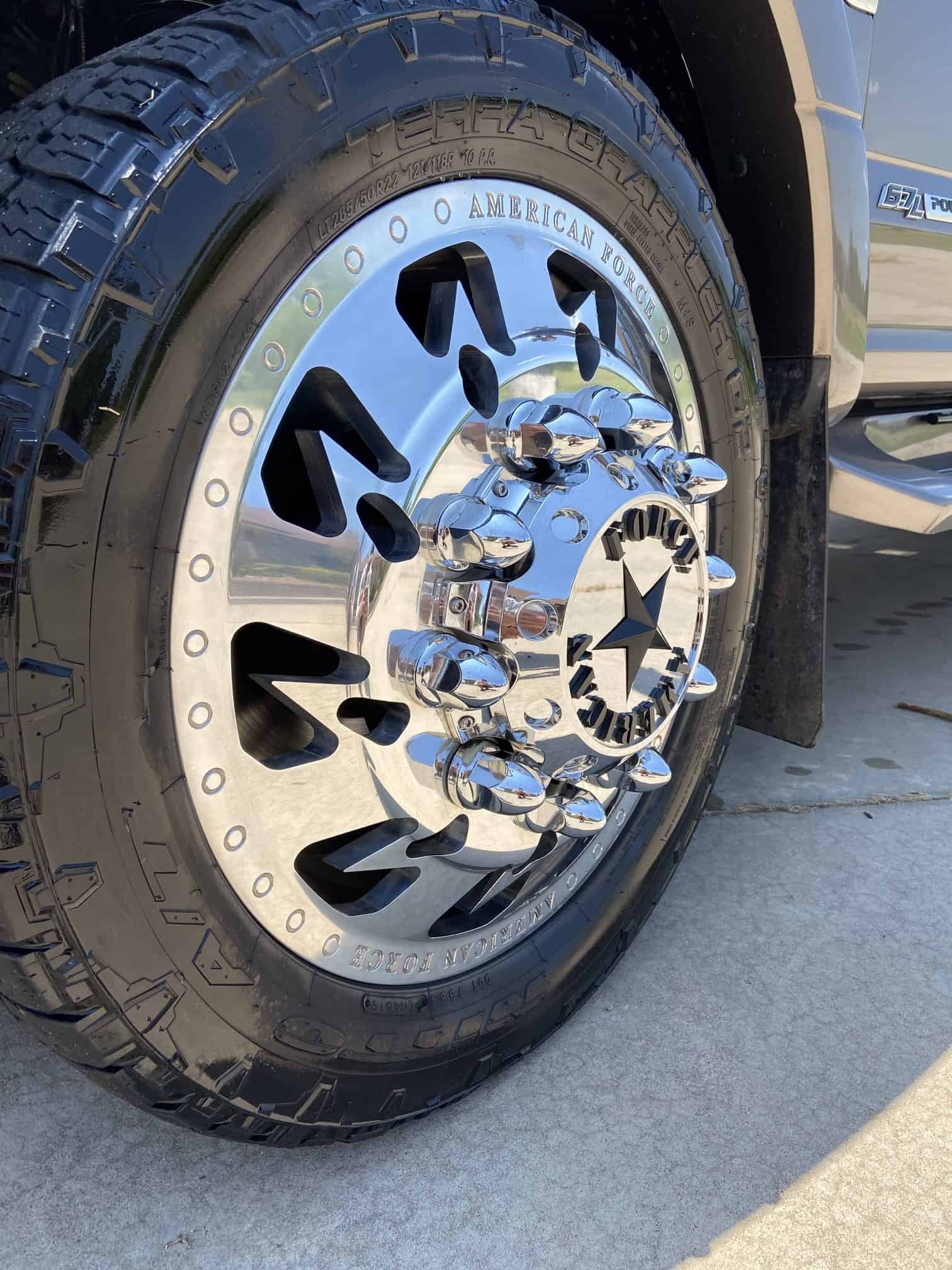
- Maintain Proper Tire Inflation: Underinflated tires increase rolling resistance, causing vehicles to consume more fuel. Implement a regular tire maintenance program to ensure that tires are properly inflated according to manufacturer recommendations.
- Monitor and Manage Speed: Excessive speed not only poses safety risks but also reduces fuel efficiency. Encourage drivers to adhere to speed limits and adopt fuel-efficient driving techniques, such as gradual acceleration and maintaining a steady speed.
- Reduce Idle Time: Idling consumes fuel unnecessarily and contributes to emissions. Implement policies to minimize idle time, such as turning off engines during prolonged stops or using idle reduction technologies where feasible.
- Optimize Vehicle Load: Carrying excess weight increases fuel consumption. Evaluate and optimize vehicle loads to ensure that they are carrying only necessary cargo and equipment.
- Utilize Route Optimization Tools: Advanced route planning software can help optimize routes to minimize mileage, reduce congestion, and avoid inefficient detours. By optimizing routes, fleets can reduce fuel consumption and improve overall efficiency.
Maximizing fuel efficiency is essential for controlling operating costs, reducing environmental impact, and enhancing fleet performance. By implementing practical tips and techniques such as proper tire inflation, speed management, idle reduction, load optimization, and route optimization, fleet managers can achieve significant improvements in fuel consumption and operational efficiency.
Remember, improving fuel efficiency requires a proactive approach and ongoing monitoring. By prioritizing fuel efficiency and integrating it into your fleet management strategy, you can reap the benefits of lower costs, reduced emissions, and improved performance for your fleet.