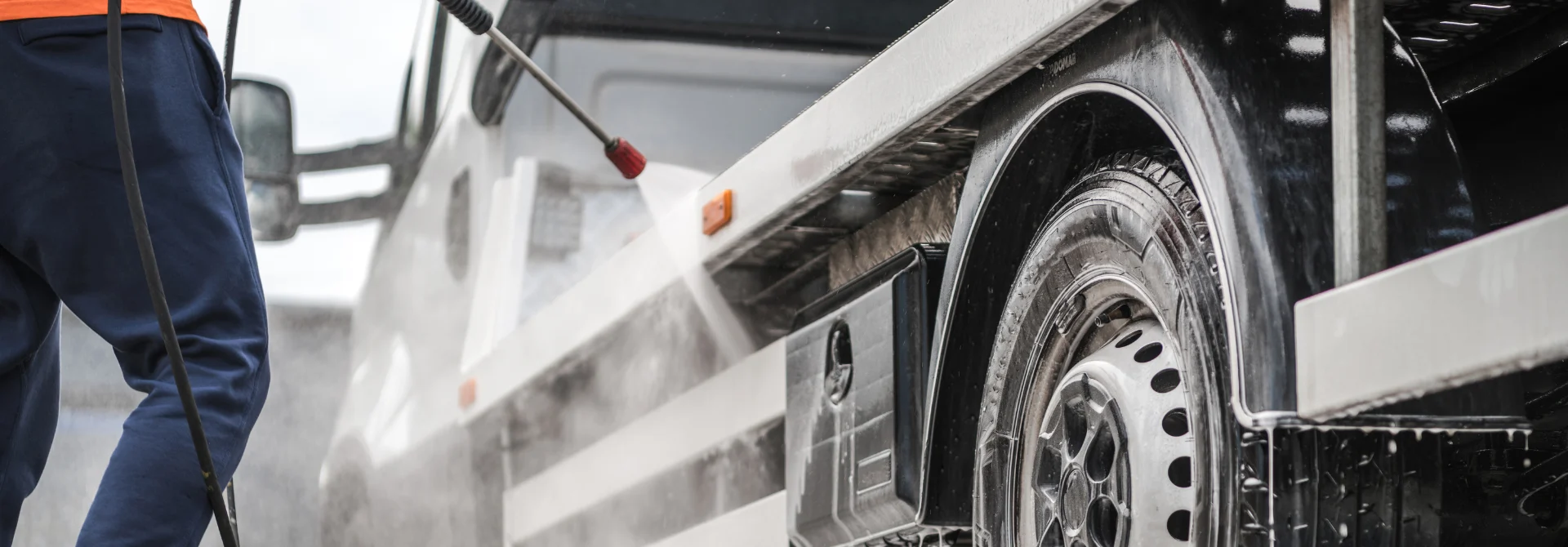
Your truck works hard for you — hauling gear, carrying heavy loads, and taking on the elements day after day. And at the heart of all that tough work is your truck bed. Whether you rely on it for weekend adventures or daily hauling, a well-maintained bed liner is one of the best investments you can make to protect your vehicle. But like any investment, it requires regular maintenance to keep performing at its best. At ShinePro Services, we help truck owners protect that investment with professional cleaning, inspection, and protective treatments designed to keep bed liners durable, clean, and ready for heavy use. In this blog, we will walk you through everything you need to know about truck bed liner maintenance — from basic cleaning to protecting your liner from sun damage, chemical spills, and everyday wear.
Why Truck Bed Liner Maintenance Matters
A bed liner is your truck bed’s first line of defense. It shields the metal surface underneath from rust, moisture, scratches, and the kind of damage that comes from loading and unloading heavy items day after day. Without proper care, even the most durable bedliner can crack, fade, or peel — leaving your truck bed exposed to potential damage that becomes far more expensive to fix down the line.
Neglecting regular cleaning and upkeep doesn’t just affect the appearance of your truck — it can compromise the protective capabilities of the liner itself. Dirt, grime, and harsh chemicals can break down the material over time, and what starts as a minor scratch or small crack can quickly lead to more significant problems if left untreated. Whether you have a spray-in, drop-in, or roll-on liner, keeping up with regular maintenance extends its life and keeps your truck looking sharp.
Starting with the Basics: A Simple Cleaning Process
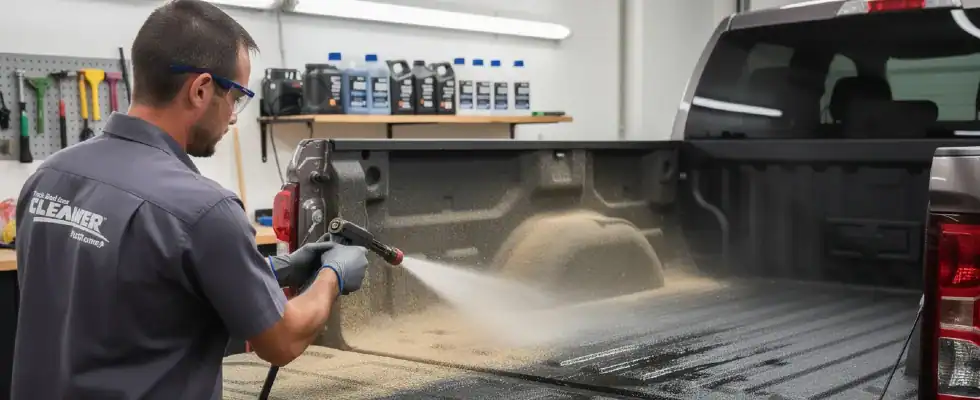
Regular cleaning is the foundation of good truck bed liner maintenance. After every use, take a few minutes to remove dirt, loose debris, and dust from the bed surface. A stiff broom works well for sweeping out loose dirt, sawdust, and smaller particles that collect in the corners and crevices of the liner. For a more thorough clean, a pressure washer is your best friend.
Start by rinsing out the truck bed with a strong spray of water to remove loose dirt and debris. Then mix a mild soap — avoid household detergents that can strip protective coatings — with warm water and scrub the entire bed surface with a stiff brush or foam applicator. Pay extra attention to the corners, crevices, and under any rubber mats where moisture and grime like to hide. Once you’ve worked the soap into the liner, rinse it thoroughly with clean water until all the soap is gone. Let the bed air dry or wipe it down with a clean cloth to prevent moisture buildup.
For most truck owners doing regular cleaning, this simple process is all it takes to keep the liner in excellent condition. Brands like Chemical Guys offer excellent truck-specific wash products that are safe for use on bed liners and won’t cause damage with repeated use.
Tackling Stubborn Dirt, Stains, and Chemical Spills
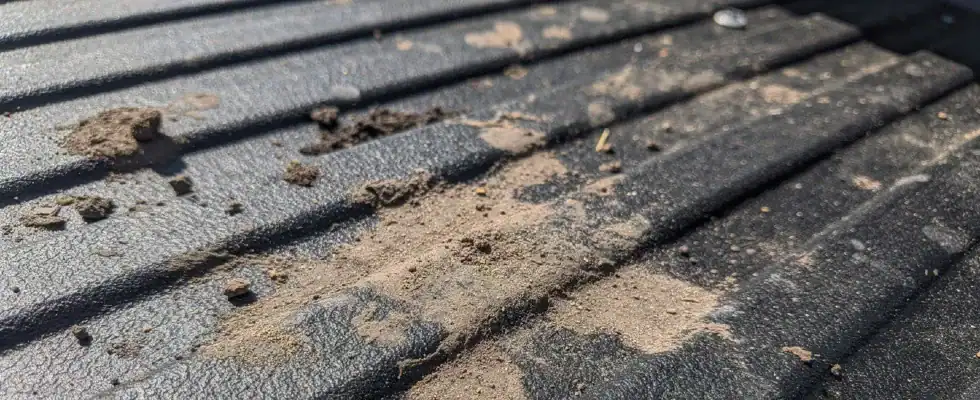
Sometimes a quick rinse and scrub isn’t enough. If your truck hauls cargo like mulch, gravel, chemicals, or construction materials, stubborn dirt and staining can become a real challenge. In these cases, you’ll need a more targeted approach to the cleaning process.
For stubborn grime and stains, use a dedicated bed liner cleaner or degreaser. Apply it directly to the problem area, let it dwell for a few minutes, then scrub with a firm brush. A pressure washer set to a moderate PSI can help blast away tough buildup without causing damage to the liner surface. Always rinse thoroughly after using any cleaner to ensure no residue is left behind.
Chemical spills deserve special attention. Gasoline, oil, and other solvents can degrade a liner’s material over time, especially with repeated exposure. If you’ve had a fuel or chemical spill in the bed, clean it up as quickly as possible using an absorbent cloth, then wash the area thoroughly with warm water and a cleaning solution designed to neutralize chemicals. Leaving harsh chemicals to sit on the surface is one of the fastest ways to cause significant problems with any liner material.
Inspecting for Damage: Catching Problems Early
Part of any good maintenance routine is giving your liner a regular visual inspection. After cleaning, take a close look at the entire bed surface for signs of wear and tear. Minor scratches and small cracks are common with heavy use, and catching them early prevents them from turning into more significant problems.
For spray-in liners, look for areas where the coat may be thinning, peeling, or showing signs of UV fading. For drop-in plastic liners, check the corners and edges where the liner is most likely to crack or lift. If you spot damage early, many minor scratches and small cracks can be repaired at home using a touch-up kit or by applying a fresh coat of bedliner material. Catching damage before it progresses to the metal underneath is key — once rust and moisture get in, the repair becomes a much bigger job.
Protecting Your Liner from UV Rays and Sun Damage
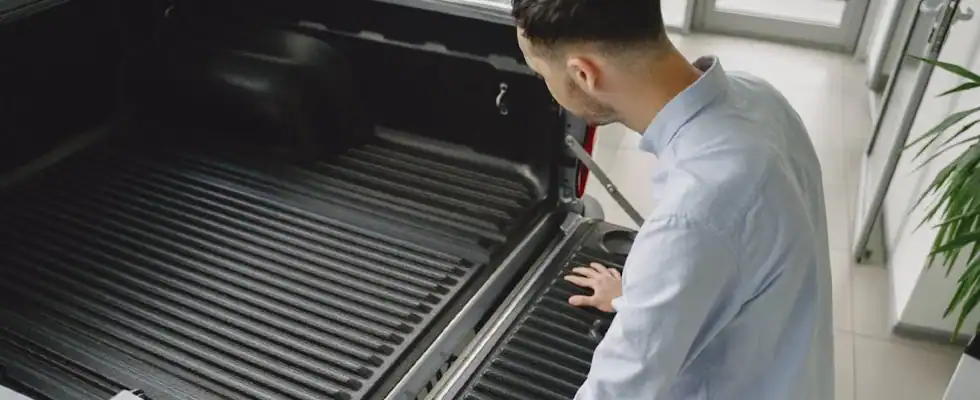
One of the most overlooked aspects of truck bed liner maintenance is protection from the sun. UV rays are incredibly damaging to liner materials over time, causing fading, drying, and cracking — especially in hot climates. If your truck sits outside regularly, this kind of wear can significantly shorten the life of your liner.
After cleaning and drying your liner, apply a UV protectant spray specifically designed for truck beds or similar outdoor surfaces. These products coat the surface with a protective layer that helps block UV rays and keeps the material fresh and flexible. This is especially important for rubber mats or plastic liners, which are more susceptible to sun damage than spray-in coatings. Regular application — at least every few months — goes a long way toward maintaining the durability and appearance of your bedliner.
Tips for Long-Term Durability and Good Protection
Beyond cleaning and inspecting, there are several habits that can help you get the most use out of your truck bed liner for years to come. When loading heavy items, use moving blankets or padding to avoid dragging cargo across the bed surface. Dragging heavy gear is one of the most common causes of scratches, tears, and surface wear on any liner.
Secure your load properly every time. Unsecured cargo that shifts during transport causes repeated impact and friction damage, grinding down the liner faster than normal use. Invest in quality tie-downs and use them consistently to protect both your cargo and your bed.
If you regularly haul chemicals, liquids, or materials with specific needs, consider whether your current liner is the best match for that type of work. Some liner materials offer better resistance to chemical exposure, while others are better suited for heavy abrasion from sharp or rocky cargo. Matching your liner to your most common hauling tasks is one of the smartest ways to maximize protection and minimize maintenance headaches down the road.
When to Call in the Professionals
DIY maintenance goes a long way, but some situations call for specialized equipment and professional expertise. If your liner has sustained widespread cracking, deep gouges, or sections where rust has already begun to form on the underlying metal, it may be time to bring in a pro. A professional recoat can restore your spray-in liner to like-new condition, and in many cases, it’s far more cost-effective than replacing the liner entirely or dealing with rust repair later.
For truck owners in the Oklahoma City area, ShinePro detailing offers expert vehicle maintenance services that go far beyond a standard wash. Their team understands the specific needs of fleet vehicles and work trucks, and they have the knowledge and tools to help you maintain your truck bed liner in top condition — from thorough cleaning to inspection and protective treatments. Keeping your truck’s bed clean, protected, and properly maintained is exactly the kind of service that ShinePro detailing specializes in.
Protect What Works Hard for You
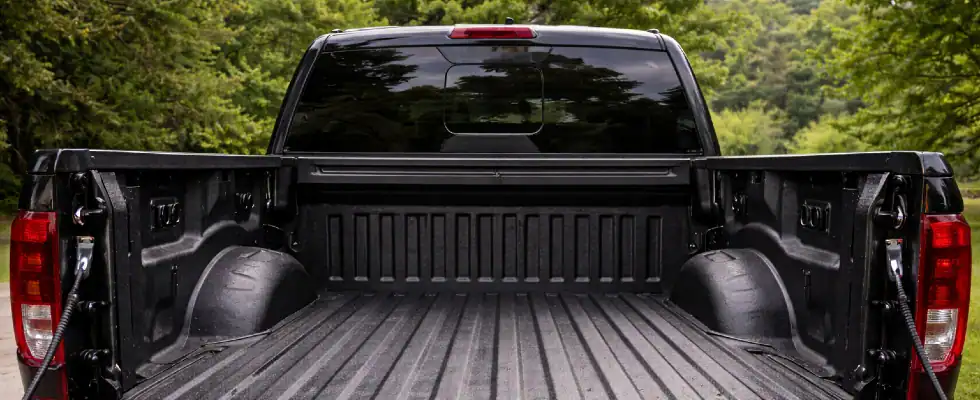
Your truck bed takes a beating, so the rest of your vehicle doesn’t have to. A consistent truck bed liner maintenance routine — regular cleaning, timely repairs, UV protection, and smart loading habits — is the best way to maintain that protection and get the most out of your investment.
Whether you’re washing out loose dirt after a weekend haul, applying a fresh coat of UV protectant, or calling in a professional for a deep clean and inspection, every step you take adds years to the life of your liner and keeps your truck looking and performing its best. Don’t wait for significant problems to develop, start building your maintenance routine today and let your bed liner do its job for the long haul.
Contact us today and keep your truck in peak condition — inside and out.