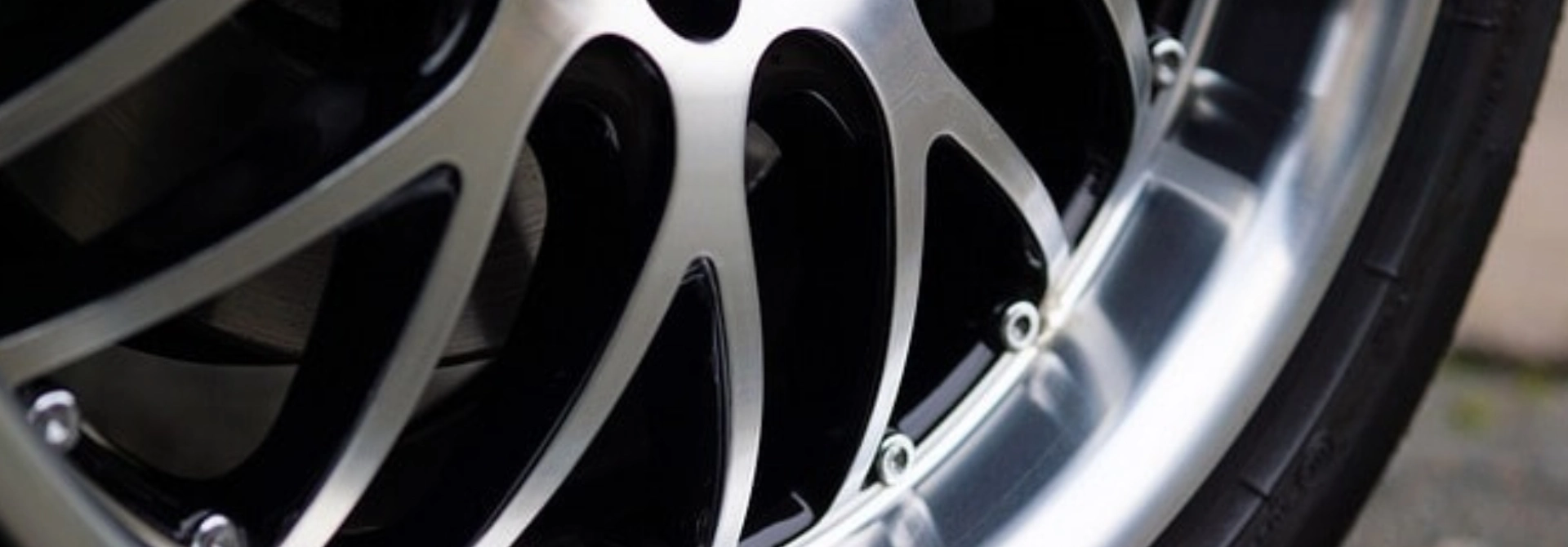
Upkeep is necessary to preserve the longevity and aesthetic appeal of aluminum surfaces. Aluminum is commonly found in many different things, including kitchenware and auto components. It is renowned for being both strong and lightweight. But after time, aluminum can get dull and lose its shine. Traditional polishing is a common method for restoring luster, but it can take a lot of time and effort. Fortunately, there are alternatives to conventional polishing methods that can give metal the same sheen.
In this blog post, we’ll go over a few strategies to help you use quick, yet effective, methods to polish your metal surfaces.
Related Article: How To Clean Aluminum Wheels
Let’s start!
By Hand
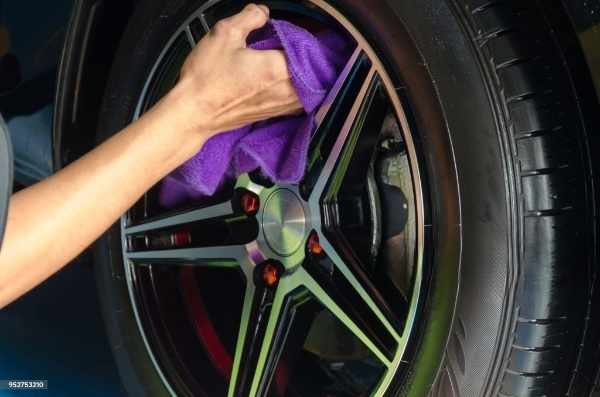
Shining aluminum by hand is a simple method that can provide spectacular results with the right techniques and materials. Here’s how you do it:
Cleaning the Surface
First, thoroughly clean the metal surface with warm water and mild soap. Using a soft cloth or sponge, remove any dirt, grease, or grime. Rinse thoroughly and dry fully.
Using Abrasives
For mild oxidation and minor scratches, use fine steel wool. To remove oxidation, gently rub the surface in circular motions. A baking soda and water mixture can be used to remove more tenacious stains. Let it sit for a few minutes before scrubbing.
Rinsing and Drying
After scrubbing, rinse the aluminum thoroughly with clean water to remove any residue. Dry the surface with a soft cloth to prevent water spots.
Polishing with Household Items
Apply a small amount of lemon juice or white vinegar to a soft cloth and rub it onto the aluminum surface. The acidity in these substances helps to break down oxidation and restore shine. Buff the surface with a clean, dry cloth until it shines.
Hand vs. Machine Polishing
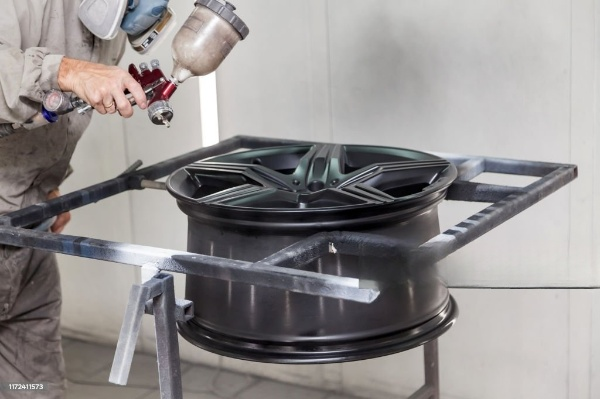
Hand polishing and machine polishing each have their own advantages and ideal applications. Understanding the differences can help you choose the best method for your needs:
Hand Polishing
This technique works best for sections that need to be handled carefully or little, complicated objects. By controlling pressure and direction more precisely, hand polishing lowers the possibility of harm. Because it needs few tools and supplies, it’s also affordable.
Machine Polishing
Machine polishing is suitable for larger surfaces and items where a consistent finish is needed. It can save time and effort, especially for heavily oxidized or scratched aluminum. Machines such as orbital polishers can achieve a high level of shine quickly but require more skill to avoid over-polishing and potential damage.
When to Use Each Method
Use hand polishing for small, detailed work, or when working on items with delicate features. Machine polishing is ideal for larger, flat surfaces or when you need to cover a lot of areas quickly. Both methods can complement each other, starting with machine polishing for heavy work and finishing by hand for finer details.
What is the Best Abrasive for Aluminum Sanding?
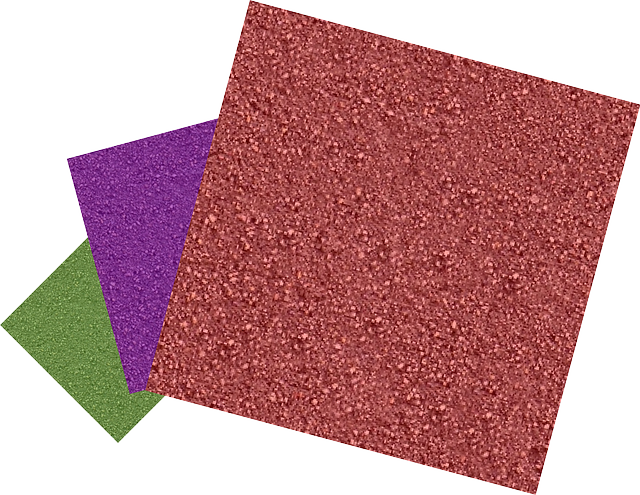
Choosing the right abrasive is crucial for achieving a smooth, shiny finish on aluminum surfaces. Here are some of the best options:
Sandpaper
For initial sanding, start with a coarse grit (80–120) to remove major imperfections. Progressively move to finer grits (220–400) for smoothing the surface. For a final polish, use ultra-fine grits (600–1000).
Steel Wool
Fine steel wool (0000 grade) is excellent for light sanding and polishing. It’s flexible and can reach into crevices and curves that sandpaper might miss.
Scotch-Brite Pads
These non-woven abrasive pads are great for light cleaning and finishing. They come in various grades, with the finer grades suitable for polishing aluminum.
Abrasive Compounds
For deeper scratches or more significant oxidation, abrasive compounds like rubbing compounds can be used. These should be applied with care to avoid removing too much material.
Always begin sanding with the coarsest abrasive available to remove defects, then work your way up to finer abrasives to get a polished, smooth surface. To avoid clogging and scratching, always sand along the direction of the grain, if it is visible, and maintain the surface well-lubricated.
Aluminum Polishing Tips
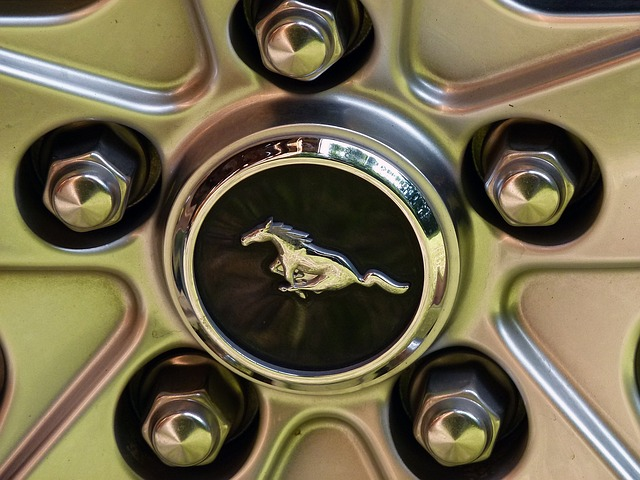
Polishing aluminum needs effort and attention to detail. Here are some ideas to help you get the best results:
Preparation
Make sure the aluminum is clean and clear of debris, oil, and dirt before polishing. When polishing, any impurities remaining on the surface could cause scratches in the aluminum.
Polishing Compound
Use a high-quality aluminum polishing compound. Apply a small amount to a soft cloth or a polishing pad. Work the compound into the surface in a circular motion, applying consistent pressure.
Buffing
Use a clean, dry cloth or a buffing pad to smooth the surface after the polishing compound has been applied. Buff again till the surface shines highly. It might be necessary to go through the polishing and buffing procedure multiple times to get a mirror-like sheen.
Sealing the Shine
Think about using wax or a protective sealer to keep the sheen. This stops the metal from oxidizing and prolongs its glossy appearance.
Regular Maintenance
To keep the aluminum shiny, clean and lightly polish it regularly. Steer clear of abrasive products and harsh chemicals since they can cause surface damage.
Safety Tips
Always polish in a well-ventilated area. Wear protective gloves and eyewear to avoid irritation from polishing compounds and debris.
You can get a beautiful shine on your metal surfaces without going through a lot of polishing by following these tips.
Frequently Asked Questions
Let’s address common queries about maintaining and polishing aluminum. Whether you’re looking to restore the shine of your aluminum surfaces or learn the best practices for upkeep, we’ve got you covered with expert advice and tips.
How can you polish aluminum with basic at-home products?
You don’t need specialized products to make aluminum shine. Here are some at-home remedies that work effectively:
- Baking Soda and Water: Create a paste with baking soda and water. Apply it to the aluminum surface, and scrub with a soft cloth or sponge. Rinse thoroughly and buff dry.
- Lemon Juice and Baking Soda: Mix lemon juice with baking soda to form a paste. The citric acid in the lemon juice helps to break down oxidation. Apply the paste to the aluminum, scrub gently, rinse, and buff dry.
- Vinegar: White vinegar is an excellent cleaner for aluminum. Soak a cloth in vinegar and rub it onto the aluminum surface. For tougher spots, allow the vinegar to sit for a few minutes before scrubbing. Rinse and dry the surface.
- Toothpaste: Non-gel toothpaste can act as a mild abrasive. Apply a small amount to a cloth and rub it onto the aluminum in circular motions. Rinse thoroughly and buff with a clean cloth.
- Cream of Tartar: Mix cream of tartar with a little water to form a paste. Rub it onto the aluminum surface, rinse, and buff dry.
These household items are not only cost-effective but also safe to use on aluminum surfaces. They can help you achieve a clean, shiny finish without the need for commercial polishing products.
How do you shine dull aluminum?
Restoring shine to dull aluminum is straightforward with the right approach.
- Cleaning: Begin by thoroughly cleaning the aluminum with warm, soapy water to remove dirt and grime. Dry the surface completely with a soft cloth.
- Removing Oxidation: Use a mixture of lemon juice and baking soda to tackle oxidation. Apply the mixture to the dull aluminum and scrub gently with a non-abrasive pad. Rinse well and dry.
- Polishing: Apply a small amount of aluminum polish or a homemade mixture of vinegar and water to a soft cloth. Rub the polish onto the aluminum in circular motions, focusing on dull areas. Buff the surface with a clean, dry cloth until it shines.
- Buffing: For a mirror-like finish, use a buffing wheel or a soft cloth to buff the aluminum. This step helps to enhance the shine and smooth out any minor imperfections.
- Sealing: To protect the newly restored shine, apply a thin layer of wax or a specialized aluminum sealant. This helps to prevent future oxidation and keeps the aluminum looking bright.
Regular maintenance and cleaning can help to maintain the shine of aluminum and prevent it from becoming dull again.
What is the best way to polish aluminum?
Polishing aluminum effectively involves several steps:
- Preparation: Clean the aluminum thoroughly to remove any dirt or grease. Dry the surface completely.
- Sanding: For rough or scratched aluminum, start with a coarse grit sandpaper and gradually move to finer grits to smooth the surface.
- Polishing Compound: Apply a high-quality aluminum polishing compound to a soft cloth or polishing pad. Rub the compound onto the aluminum in circular motions.
- Buffing: Buff the surface with a clean cloth or buffing pad to achieve a high shine. Repeat the process if necessary for a mirror-like finish.
- Sealing: Apply a protective sealant or wax to maintain the shine and prevent oxidation.
Using these steps, you can achieve a professional-level shine on your aluminum surfaces, but it is a lot of hassle. You could just get us to come do this job for you.
Keeping Your Aluminum Gleaming
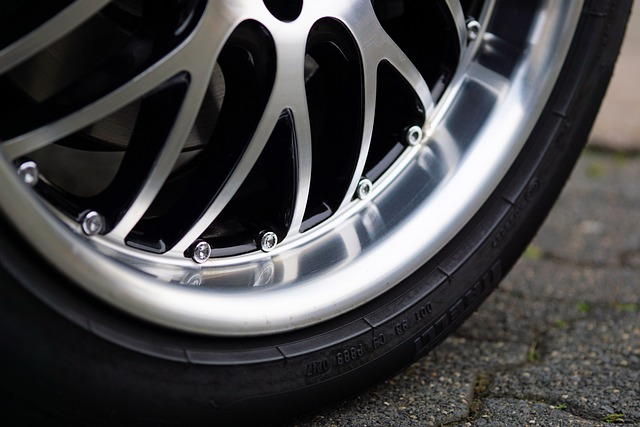
Choosing ShinePro to polish your aluminum rather than doing it yourself ensures a professional finish that stands out. Our experienced technicians use specialized equipment and high-quality products to achieve a flawless shine that not only enhances the appearance of your aluminum surfaces but also protects them from future damage. DIY polishing can often result in uneven finishes, missed spots, and potential scratches.
With ShinePro, you get expert craftsmanship and attention to detail, saving you time and effort while delivering a superior, long-lasting result. Trust ShinePro for all your aluminum polishing needs, and enjoy the peace of mind that comes with professional care. Read more in our Aluminum Polishing Info Hub.